

South Korea to launch 24-hour forex trading in July to secure upgrade
The finance ministry will introduce an offshore won settlement system to ensure sufficient liquidity during extended trading hours
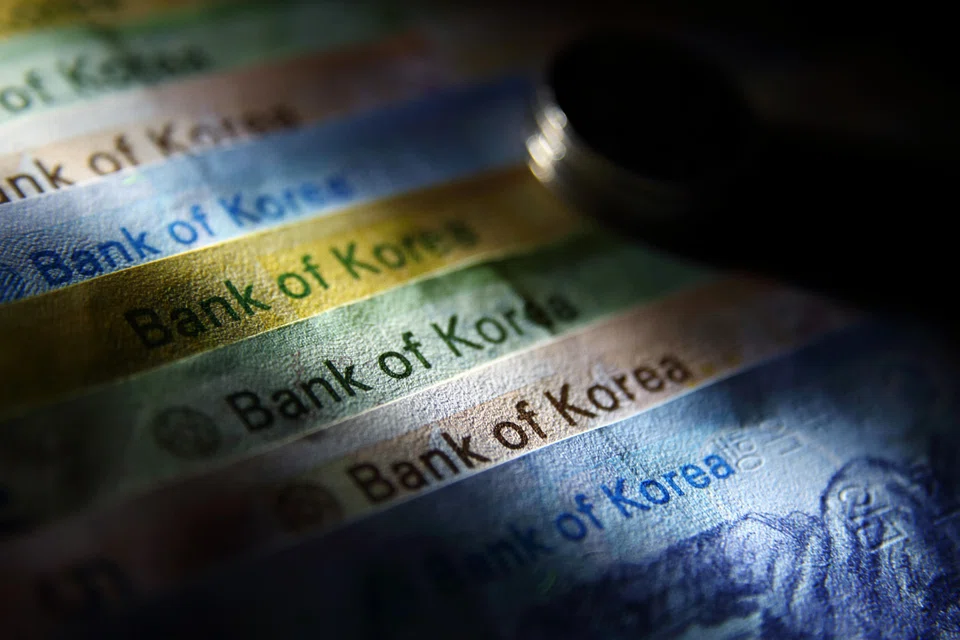
[SEOUL] South Korea will introduce 24-hour currency exchange trading in July, and relax rules for offshore transactions by September.
This is the latest step in its years-long effort to secure developed-market status from investment research firm Morgan Stanley Capital International (MSCI). The proposed round-the-clock trading hours will lift volumes and eliminate the gap from the current 2 am Seoul close, indicated the government’s 2026 economic growth strategy report unveiled on Friday (Jan 9).
The measures, announced last year, aim to address concerns over market accessibility for global investors, and mark the “first step toward the internationalisation of the won”, said Kim Hee-jae, an official at the ministry of economy and finance.
South Korea’s desire to become a developed market dates back to at least 2008, when the index compiler placed – and later removed – the country from its watch list. Still classified as an emerging market, an upgrade could enhance its standing as a regional power player and draw billions in passive inflows.
The nation has been slow to loosen control over trading of its currency, still scarred by the foreign capital flight of the 1997 Asian Financial Crisis – an experience it is working to move past.
The finance ministry will introduce an offshore won settlement system to ensure sufficient liquidity during the extended trading hours.
Foreigners will be allowed to transact with each other through intermediaries, while the Bank of Korea will continue to process settlements.
Registered foreign institutions (RFIs), with high levels of market participation offering after-hours trading support, will initially be eligible to act as such intermediaries, with the pool of participants gradually expanding in phases.
This will allow foreign investors to trade and source the won freely – activities previously not permitted.


While booking entities must still meet registration and reporting obligations, trading and sales entities will see eased requirements in coming months.
Newly registered RFIs will be allowed to start trading this month, with reporting requirements waived for the first three months.
The measures expand on those introduced in July 2024, when trading hours were extended to 2 am, though volumes have remained largely steady.
The government is now prioritising regulatory easing and liquidity-boosting measures during extended hours. The initiatives will start as a pilot in September, with full rollout next year, outside of a few programmes.
Meanwhile, the government will also immediately roll out omnibus accounts for institutional investors, enabling better management of settlement accounts.
Previously opened on a fund-by-fund basis, these accounts will now be handled by asset managers or global custodians, reducing paperwork and setup time. “These steps are not a one-off and will be followed by additional measures under a won internationalisation roadmap due in the first half of the year,” Kim added.
South Korea has long kept a restrictive foreign exchange market due to past currency crises, Kim said, noting that the country now faces no major external risks and sees extended trading hours as feasible. BLOOMBERG
Decoding Asia newsletter: your guide to navigating Asia in a new global order. Sign up here to get Decoding Asia newsletter. Delivered to your inbox. Free.
Share with us your feedback on BT's products and services
TRENDING NOW

Once staunchly pro-China, Malaysian Chinese businesses are now distancing themselves from Beijing

Looking beyond looming CEO succession, should UOB potentially pursue a transformative merger?

Could stablecoins be the future of money?

Grab CEO’s wife Chloe Tong on life with Anthony Tan and finding her purpose

