

South Korea to take dispute on US steel anti-dumping duties to WTO
 Add BT as a preferred source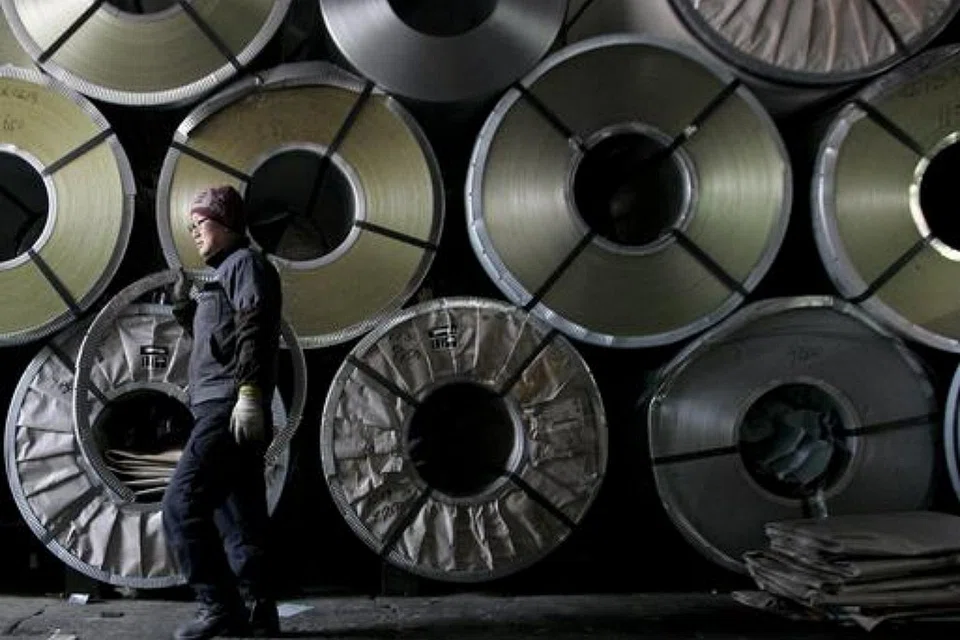
DeeperDive is a beta AI feature. Refer to full articles for the facts.
[SEOUL] South Korea's trade ministry said on Wednesday it will take a dispute to the World Trade Organization against the United States for imposing high anti-dumping duties on South Korean steel and transformers.
The move comes after the United States in May 2016 slapped anti-dumping duties on Korean steel products and transformers of up to 60.81 per cent by applying the Adverse Facts Available (AFA) provision.
The ministry said applying AFA rules allowed the United States to unfairly levy high anti-dumping duties without thoroughly verifying data available to them.
The trade ministry said in a statement it will request a bilateral discussion with the United States under the WTO agreement and notify the WTO on Wednesday.
In recent months, the United States has stepped up efforts to protect its industry including the renegotiation of free trade agreement with South Korea.
US President Donald Trump said on Tuesday he was considering a range of options to address steel and aluminium imports that were unfairly hurting US producers, including tariffs and quotas.
Navigate Asia in
a new global order
Get the insights delivered to your inbox.
Last month, Mr Trump also approved a steep tariff on imported washing machines and solar panels in a move to protect American manufacturers, sparking criticism from China and South Korea.
In response to the steep tariffs, South Korea's trade ministry said that it would "actively response to US trade protectionism," including filing a complaint to the WTO.
REUTERS
Share with us your feedback on BT's products and services
TRENDING NOW
Shelving S$5 billion office redevelopment plan proved ‘wise’ as geopolitical risks mount: OCBC chairman

Eurokars Group introduces rental car franchises Enterprise Rent-A-Car, National Car Rental, and Alamo to Singapore
20 photos that show how dramatically Singapore has changed in two decades
Singapore’s key exports up 15.3% in March from electronics surge, exceeding forecasts

