

South Korea warns fund outflows may accelerate if global risks persist
 Add BT as a preferred source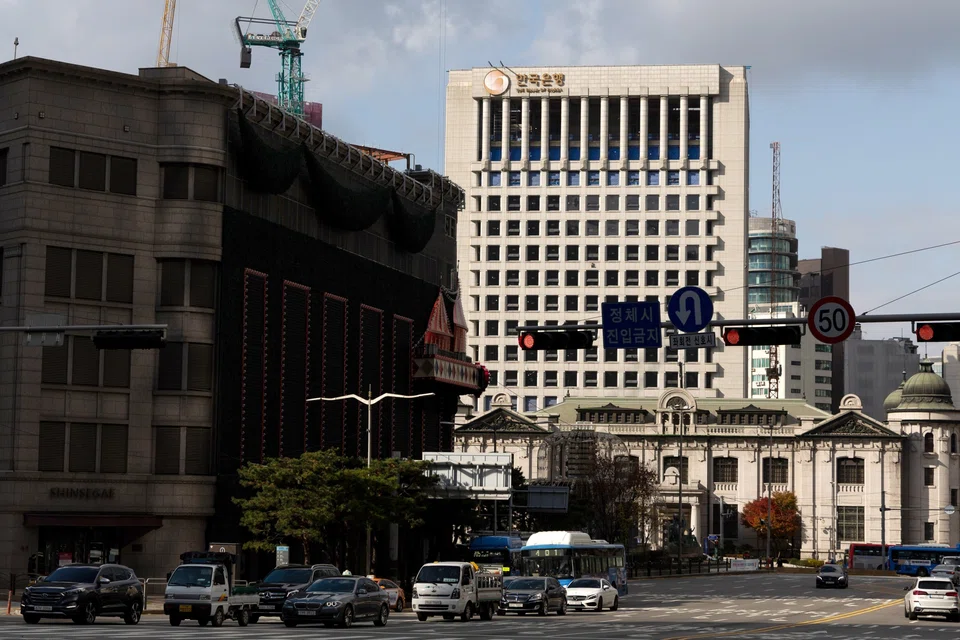
DeeperDive is a beta AI feature. Refer to full articles for the facts.
AN outflow of foreign investment funds from South Korea is likely to swell if global risks further roil financial markets, the Bank of Korea (BOK) said, while reiterating its resolve to rein in inflation.
Threats to emerging economies as well as Korea include Federal Reserve tightening, an escalation of Russia’s war on Ukraine and China’s deepening economic slowdown, the BOK said on Thursday (Sep 8) in a regular policy report.
Korea’s central bank has raised its key interest rate by 2 percentage points since August last year, acting in advance of most developed-world peers. But the Fed’s rapid tightening in recent months is piling pressure on the BOK to remain aggressive as the won weakens to a 13-year-low.
Widening trade deficits and ongoing policy easing in neighbouring Japan and China are additional reasons the won is taking a hit. The weakening currency makes it more difficult for the BOK to curb inflation as it amplifies already elevated import costs, fuelled by high energy and commodity prices.
The BOK said it will stick to policy efforts to bring inflation expectations back under control as consumer-price growth runs at an elevated pace of 5 to 6 per cent.
A short-term hit to economic growth is “inevitable” during the fight against inflation, the BOK said, as it explained the background to its first-ever half-point rate hike in July. Past experience shows there are “long-term benefits” to quickly snuffing out inflationary pressure, it said.


Navigate Asia in
a new global order
Get the insights delivered to your inbox.
Governor Rhee Chang-yong said in an interview with Bloomberg last month that he would prioritise price concerns, similar to Fed chairman Jerome Powell, if inflation stayed higher than expected.
The won’s weakening in the first half of the year is estimated to have lifted inflation by about 0.4 percentage point, the BOK said. The anticipation of a further depreciation is putting pressure on foreign investors to withdraw funds, which in turn further feeds the weakening of the currency, it said.
The need to ease the risk of financial imbalances also continues, the central bank said, while noting growth in household debt is slowing and there’s a looming correction in the housing market. BLOOMBERG
Decoding Asia newsletter: your guide to navigating Asia in a new global order. Sign up here to get Decoding Asia newsletter. Delivered to your inbox. Free.
Share with us your feedback on BT's products and services
TRENDING NOW

Air India asks Tata, Singapore Airlines for funds after US$2.4 billion loss
‘Boring’ is the new black: The stars are aligning for a Singapore stock market revival

From 1MDB to ‘corporate mafia’: Is Malaysia facing a new governance test?

South-east Asian markets account for 8.8% of global capital inflows from 2021 to 2024: report

