
South Korean exports return to growth in boost to outlook
 Add BT as a preferred source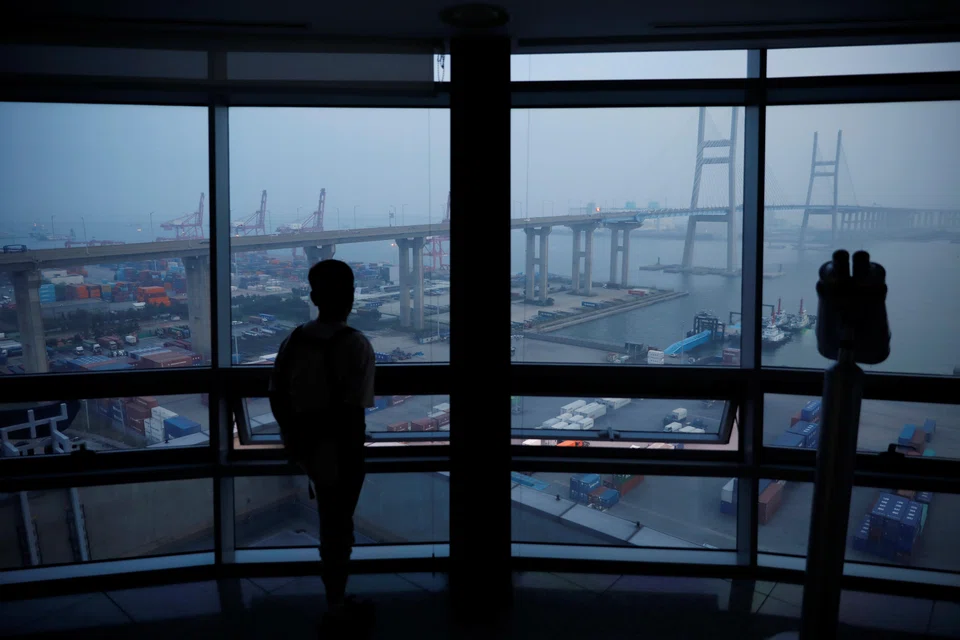
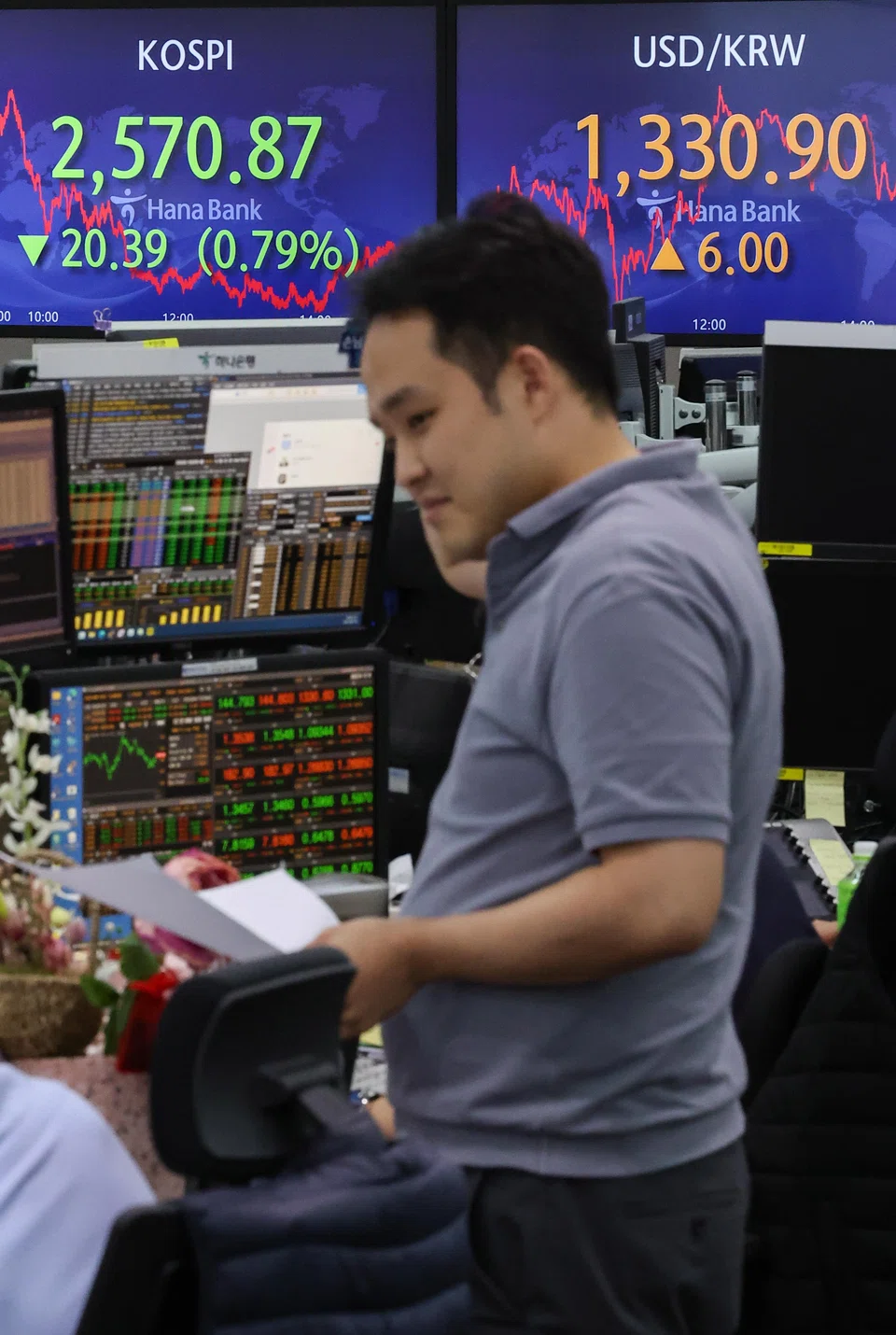
SOUTH Korea’s exports rose for the first time since late last year in a positive sign for the nation’s growth outlook and an indication that global demand is regaining strength.
Exports increased 5.1 per cent from a year earlier in October, according to data released on Wednesday (Nov 1) on the customs office website. Imports fell 9.7 per cent.
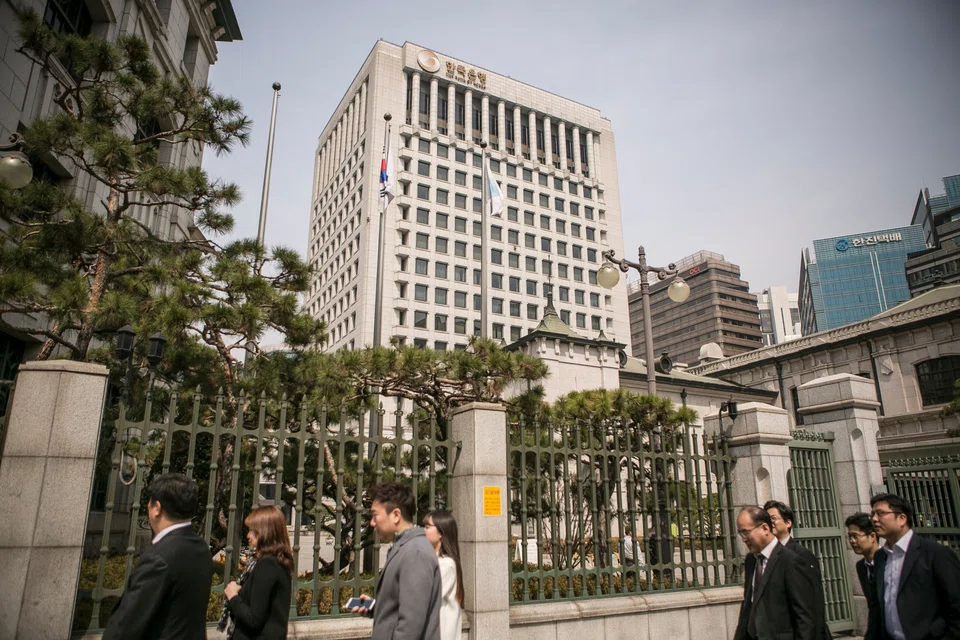
The export improvement will likely boost confidence among policymakers that South Korea’s economy will grow in line with their forecasts this year and may perform better next year, should demand hold up.
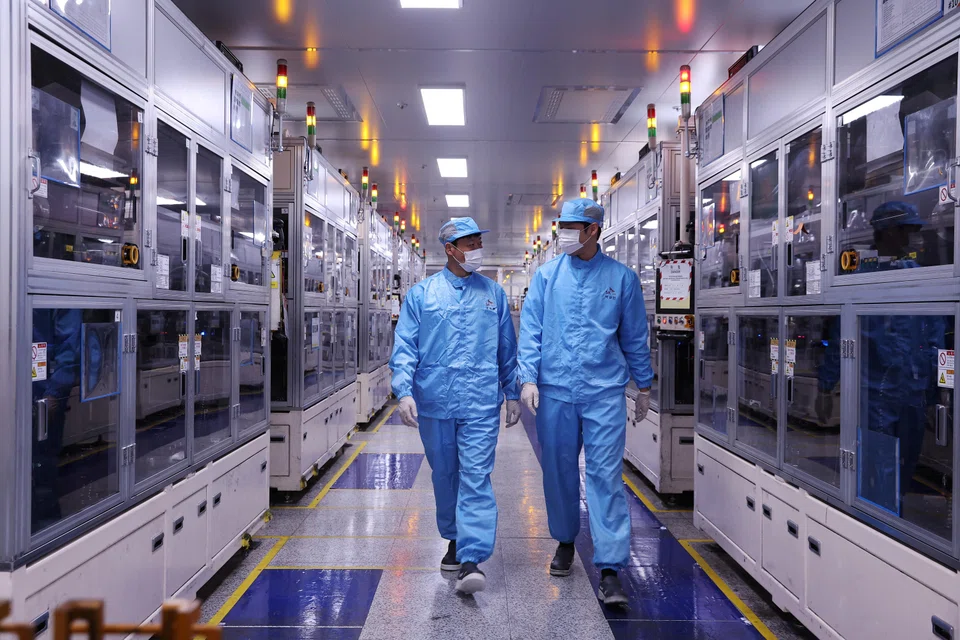
Exports are driven largely by the country’s ability to find markets for its high-tech products abroad and a rebound in prices for some types of semiconductors is raising hopes momentum in exports may accelerate.
In a positive sign for the chip industry, Samsung Electronics on Tuesday reported better-than-expected earnings and offered an improving outlook. Separately, global silicon wafer shipments will likely resume growth next year after a decline this year, according to SEMI, an association of chipmaking equipment producers.
South Korea produces goods that make their way into a variety of items, ranging from machinery and displays to refined oil products. Export growth will likely be led by autos, machinery and semiconductors, enabling the nation to grow 1.4 per cent this year as forecast by policymakers, according to Dave Chia, lead Korea economist at Moody’s Analytics.
Navigate Asia in
a new global order
Get the insights delivered to your inbox.
Demand for South Korean goods is growing evenly across the world rather than in a limited number of regions in a boost for the outlook, South Korean Trade Minister Ahn Duk-geun said last week in a briefing.
Still, there are challenges as well. While the export increase also points to an improvement in overseas demand the outlook for the global economy remains far from clear. Global central banks are likely to continue their fight against inflation for some time to come with restrictive monetary policies.
Slack demand in China, the world’s second-biggest economy, remains a point of concern, and the Israel-Hamas conflict threatens to fuel oil prices and inflation that would dent consumer sentiment.
Other geopolitical tensions are adding to risks for Korea, too. Days after the US made it more difficult for China to import advanced chips, Beijing said last month it would strengthen its export controls on graphite, essential for electric battery production.
An improvement in Korean exports would likely ease over the coming quarters, as world economic growth is expected to slow to 2.1 per cent next year from 2.5 per cent this year, according to BMI, a unit of Fitch Group. BLOOMBERG
Decoding Asia newsletter: your guide to navigating Asia in a new global order. Sign up here to get Decoding Asia newsletter. Delivered to your inbox. Free.
Share with us your feedback on BT's products and services

