

South Korea’s current account surplus surges to record on chips
The services account has posted a US$1.3 billion deficit
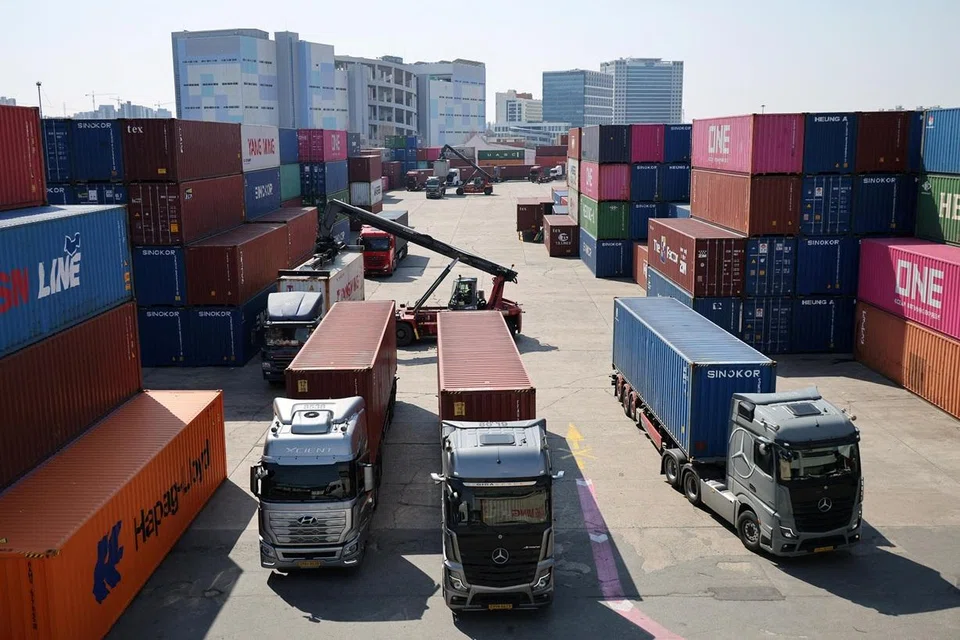
[SEOUL] South Korea’s current-account surplus surged to another record in March, driven by a surge in semiconductor exports and stronger shipments across Asia and the US, even as foreign investors sharply reduced holdings of domestic stocks amid rising Middle East tensions.
The current-account surplus reached US$37.3 billion in March, the largest monthly surplus on record, according to Bank of Korea (BOK) data released on Friday (May 8). The figure far exceeded the previous record of US$23.2 billion set in February, and marked the country’s 35th straight month of current-account surpluses, the second-longest streak of surpluses since the 2000s, the BOK said.
The goods balance posted a record US$35.1 billion surplus as exports surged to an all-time high of US$94.3 billion. That was led by semiconductors and computer-related products, while petroleum products and chemicals also climbed as higher oil prices boosted shipment values. Chip exports jumped nearly 150 per cent on a customs-clearance basis, the BOK said.
Meantime, imports increased by the most in 15 years.
The data underscore how South Korea’s trade sector continued to benefit from resilient artificial-intelligence demand before broader fallout from the Iran war and heightened geopolitical tensions began weighing heavily on financial markets and investor sentiment.
The services account posted a US$1.3 billion deficit, though the shortfall narrowed from both a year earlier and the previous month. The travel account returned to a surplus for the first time since late 2014, aided by seasonal domestic tourism demand during the spring travel period.




The primary income account surplus widened to US$3.58 billion, supported by increased dividend income from direct and portfolio investments.
The financial account showed a net asset increase of US$37 billion. South Koreans continued investing abroad, while foreign investors drastically reduced holdings of South Korean equities.
Meanwhile, foreign investment in domestic stocks fell by a record US$29.3 billion as escalating Middle East risks and concerns about weakening memory demand fuelled profit-taking, according to the BOK. BLOOMBERG
Decoding Asia newsletter: your guide to navigating Asia in a new global order. Sign up here to get Decoding Asia newsletter. Delivered to your inbox. Free.
Share with us your feedback on BT's products and services
TRENDING NOW

MAS allocates S$1.45 billion to five asset managers in third EQDP batch: Chee Hong Tat

‘My grandfather’s legacy’: Sherman Kwek lays out three-year plan for CDL to drive returns

He built the Vingroup empire. Now South-east Asia’s richest man is handing some key roles to his sons

‘How many will survive?’: Bubble fears arise as China’s humanoid robotics face reality check

