
South Korea’s chip sector masks weakness in other exports
Both core and headline consumer prices are now above the Bank of Korea’s 2% target
 Add BT as a preferred source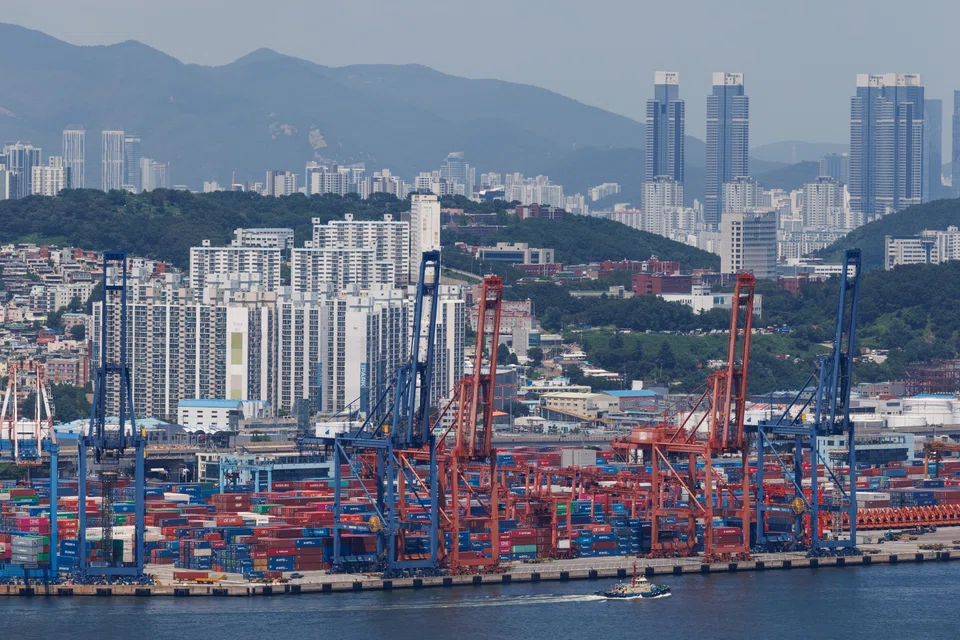
[SEOUL] South Korea’s robust semiconductor exports continued to mask weakness in other sectors, helping maintain growth in the overall value of shipments in the first weeks of December, as the nation weathers the impact of US tariffs.
Exports adjusted for differences in the number of working days grew 3.6 per cent from a year earlier in the first 20 days of December, according to data released on Monday (Dec 22) by the customs office. That compared with a revised 13 per cent gain reported for the full month of November.
Unadjusted shipments also gained 6.8 per cent, while overall imports rose 0.7 per cent, resulting in a trade surplus of US$3.8 billion.
Semiconductor exports climbed almost 42 per cent, extending a recovery fuelled by artificial intelligence and data centre demand. Shipments of wireless communication equipment also increased nearly 18 per cent.
Those gains helped outweigh falls in other sectors. Auto exports dropped 13 per cent, and petrochemicals showed weakness tied to higher input costs and US protectionist measures.
“Stripping out semiconductors, the numbers still look weak, and it really underscores just how exceptionally strong semiconductors are,” said Barclays Bank economist Bumki Son. “I still think we need to remain mindful of the risk that the monetary policy stance may not be neutral for most sectors of the economy, excluding semiconductors.”
Navigate Asia in
a new global order
Get the insights delivered to your inbox.
In late November, the Bank of Korea (BOK) pivoted away from a clear “rate-cutting stance” to a more neutral position on policy as it held its benchmark rate at 2.5 per cent and raised its 2026 growth outlook to 1.8 per cent, citing solid exports and a steady recovery in private consumption. Still, governor Rhee Chang Yong noted that much of the improvement in the growth outlook was driven by gains in chips and IT.
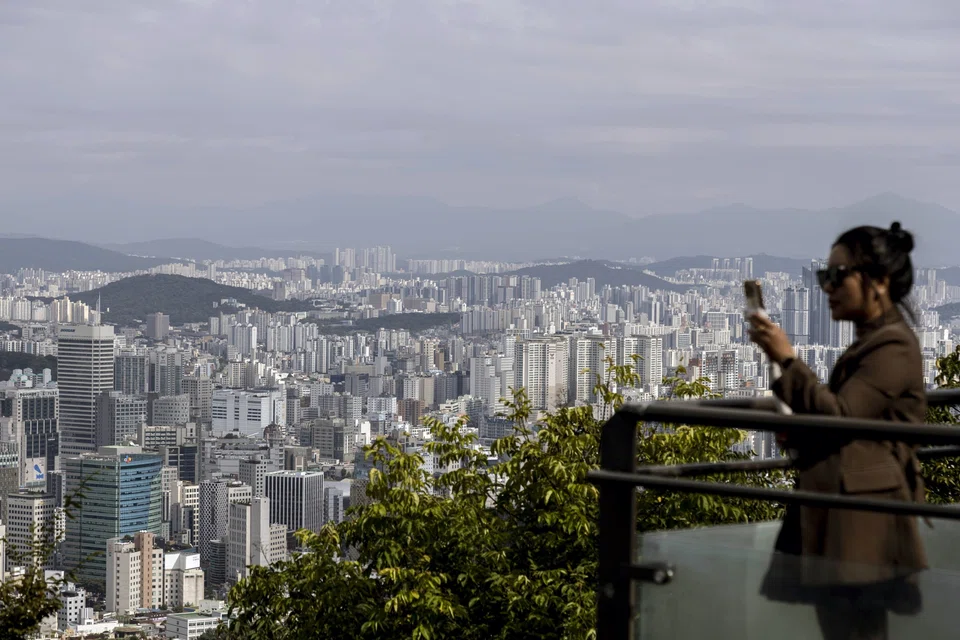
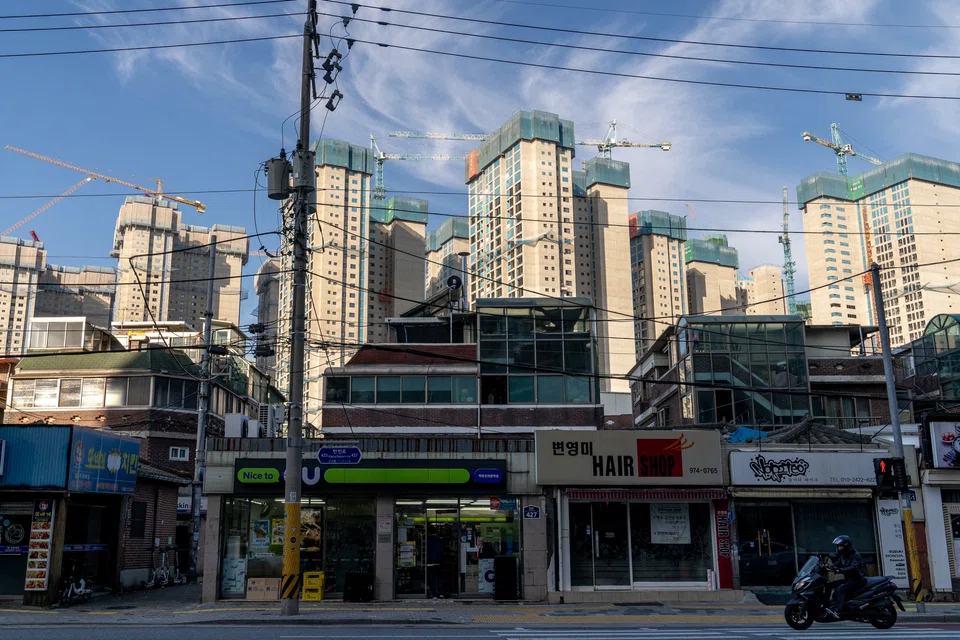
Barclays said that it expects exports to expand 2.1 per cent next year, but excluding semiconductor-related exports, imports and investment, growth would only be about 1.1 per cent. That ongoing divergence in performance adds to the difficulties for policymaking at the BOK, already complicated by weakness in the currency and frothy property prices in the South Korean capital.
Seoul reached a landmark tariff deal with Washington in late October after three months of negotiations, capping US duties on South Korean goods at 15 per cent. Tariffs on South Korean autos and auto parts were also retroactively lowered to 15 per cent as at Nov 1, following the publication of an official notice in the Federal Register earlier this month.
While the deal lowered duties from levels US President Donald Trump announced in the spring, rates remain well above the levels the country enjoyed under a previous free trade agreement.
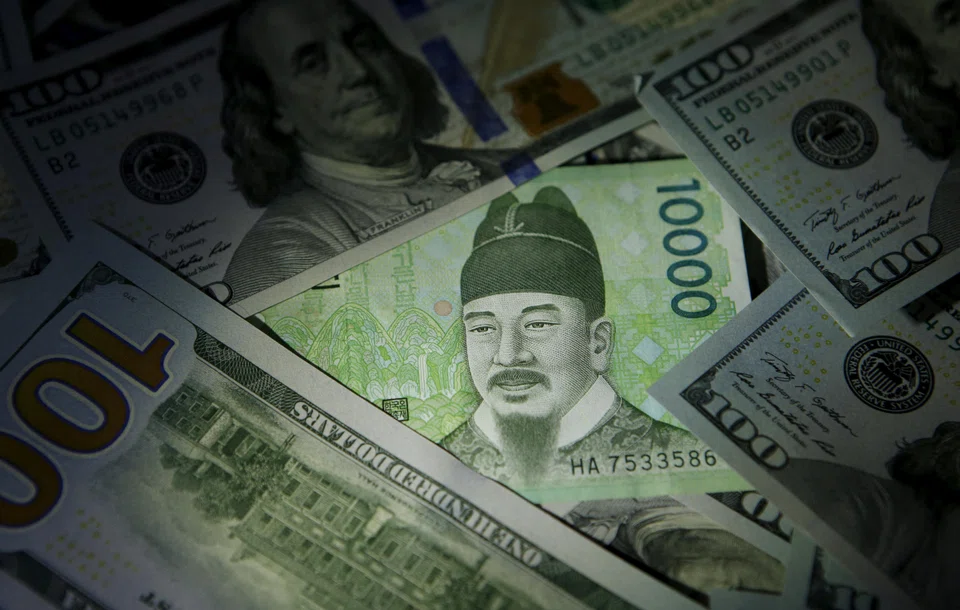
The trade report comes as the South Korean won plunged more than 8 per cent against the US dollar so far in the second half of 2025, stoking concerns about rising inflation. Both core and headline consumer prices are now above the BOK’s 2 per cent target, and the central bank has warned that prolonged currency weakness could add further pressure on import costs.
By destination, exports to China rose 6.5 per cent, while those to the US slipped 1.7 per cent. Shipments to Taiwan and Vietnam climbed 9.6 and 20.4 per cent, respectively. BLOOMBERG
Decoding Asia newsletter: your guide to navigating Asia in a new global order. Sign up here to get Decoding Asia newsletter. Delivered to your inbox. Free.
Share with us your feedback on BT's products and services

