
South Korea’s inflation cools more than expected towards target
 Add BT as a preferred source
SOUTH Korea’s inflation slowed more than expected, suggesting price pressure is cooling in line with the central bank’s expectations.
Consumer price growth slowed to 2.4 per cent from a year earlier, the slowest pace since July last year and marking a deceleration from 2.7 per cent in May, according to data released by the statistics office on Tuesday (Jul 2). Economists surveyed by Bloomberg had forecast the pace of price growth would moderate to 2.6 per cent.
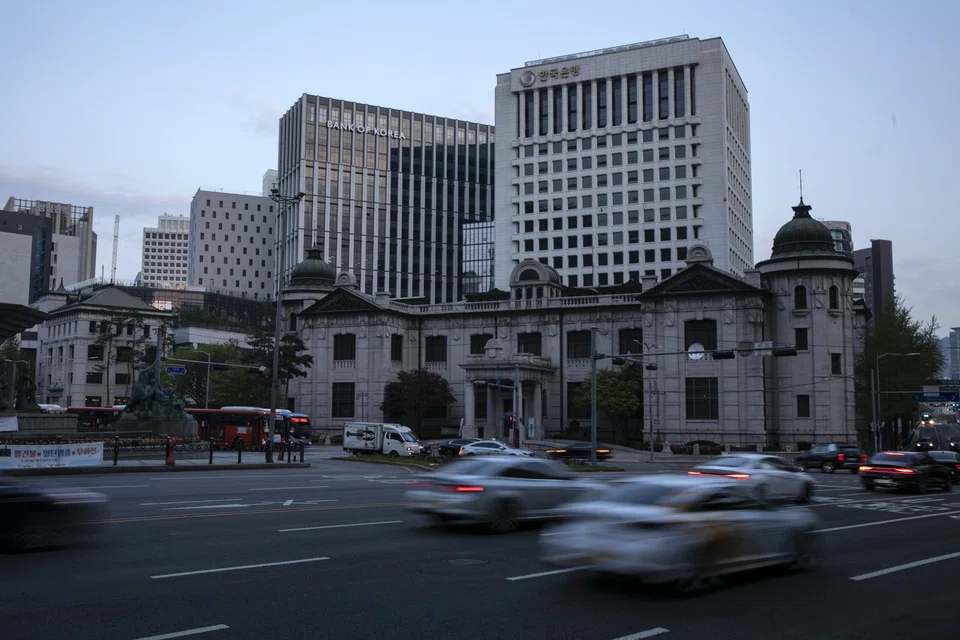
The Bank of Korea (BOK) expects inflation to continue to slide towards its 2 per cent target by the end of the year in line with its forecast even as economic growth picks up. The central bank has said it might consider easing policy should authorities gain confidence prices will cool as expected.
The extent to which inflation moves towards the BOK’s target will be a key factor as the central bank mulls the timing for a potential interest rate cut. Governor Rhee Chang-yong last month called for a balanced approach in considering a pivot, invoking a Latin expression Festina Lente to convey the importance of balancing urgency with diligence.
For now, a continued export rally led by semiconductors and automobiles is giving the central bank confidence the economy can withstand its current restrictive policy settings. Also, the won remains among the currencies that have lost the most this year against the US dollar. If authorities moved too quickly to reduce rates, it could spur further currency depreciation, raising the costs of imported raw materials, food and energy.
At the same time, policymakers are concerned about being too slow to lower rates as credit risks in the construction industry continue to cast a shadow over the economic outlook. Meantime, private consumption also remains lacklustre, with retail sales growth having slowed for a third straight month in May.
Navigate Asia in
a new global order
Get the insights delivered to your inbox.
“The risks of a too-early shift include delayed convergence of inflation to the target, increased FX rate volatility, and a re-acceleration of household leverage growth,” JPMorgan Chase Bank economist Seok Gil Park in a note. “Conversely, the risks of a too-late shift include a widening gap between robust exports and softer domestic demand, as well as financial market instability likely due to delinquencies in real estate market-related leverages.”
The BOK is expected to stand pat at its next decision on Jul 11, with focus falling on any fresh hints about the timing of a shift towards monetary easing. When it last met in May, the board unanimously held the benchmark rate unchanged at 3.5 per cent, a level that has been maintained since January last year. Hyosung Kwon, economist at Bloomberg Economics, expects disinflation in July to prompt the BOK to begin cutting rates in August.
At its last meeting, the BOK also maintained its inflation forecast for 2024 at 2.6 per cent while raising the economic growth forecast to 2.5 per cent from 2.1 per cent. The revision of the GDP forecast reflected a first-quarter expansion that was faster than expected, with demand from the US providing a key source of momentum at a time when China is struggling to rebound economically.
SEE ALSO



While China’s central bank is attempting to support the economy, the Federal Reserve is staying cautious about prospects for policy loosening. The US monetary trajectory is a key factor the BOK is monitoring as South Korean officials remain wary of rate differentials between the two nations. BLOOMBERG
Decoding Asia newsletter: your guide to navigating Asia in a new global order. Sign up here to get Decoding Asia newsletter. Delivered to your inbox. Free.
Share with us your feedback on BT's products and services

