

South Korea's inflation picks up amid higher food, oil prices
 Add BT as a preferred source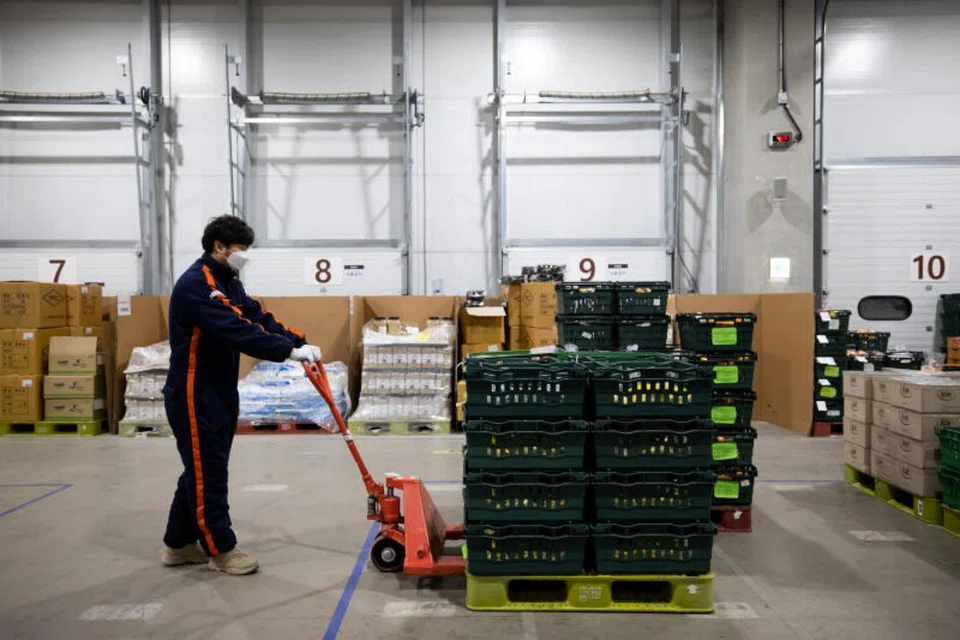
DeeperDive is a beta AI feature. Refer to full articles for the facts.
SOUTH Korea's inflation picked up in February as holiday demand drove up food prices while global oil prices remained elevated.
Inflation reached 1.1 per cent from a year earlier, accelerating from 0.6 per cent in January, data from the statistics office showed Thursday, the highest since a year ago. Economists had expected a reading of 1 per cent.
Demand for fresh food tends to surge when Koreans celebrate the Lunar New Holiday and harsh winter weather has strained agricultural output. Rising oil prices likely added supply-side pressure, even as local Covid-19 outbreaks and social distancing restrictions put a lid on overall price gains.
In a separate report, the Bank of Korea said the economy grew 1.2 per cent last quarter from the previous three month, faster than its initial estimate. Exports, consumption and facilities investments grew more than initially thought, while intellectual property production was revised down. The economy still contracted 1 per cent for the year as estimated earlier.
KEY INSIGHTS
The BOK last week raised its inflation forecast for this year from 1 per cent to 1.3 per cent, citing a gradual economic recovery and higher global oil prices.
Navigate Asia in
a new global order
Get the insights delivered to your inbox.
The revised projection still falls far short of the central bank's 2 per cent target and Governor Lee Ju-yeol downplayed concerns about runaway price gains. Growth outlook was maintained at 3 per cent.
The economy is showing signs of an accelerating recovery. Manufacturing activity expanded at the fastest pace in more than a decade in February, while exports, led by semiconductors, extended gains to a fourth straight month.
A 15 trillion won (S$17.67 billion) extra budget proposal, if approved by lawmakers, may put a floor under consumption with cash handouts to small businesses and workers hit by the virus.
Compared with the previous month, consumer prices rose 0.5 per cent in February.
Korea's year-on-year core inflation came in at 0.8 per cent.
Prices of foodstuffs and non-alcoholic beverages rose 9.7 per cent from a year earlier; utility costs including electricity and energy increased 0.1 per cent; education prices fell 2.9 per cent.
The BOK's updated GDP report showed the economy shrank 1.2 per cent last quarter from a year earlier, less than the earlier estimate.
BLOOMBERG
Decoding Asia newsletter: your guide to navigating Asia in a new global order. Sign up here to get Decoding Asia newsletter. Delivered to your inbox. Free.
Share with us your feedback on BT's products and services
TRENDING NOW

Shelving S$5 billion office redevelopment plan proved ‘wise’ as geopolitical risks mount: OCBC chairman

Eurokars Group introduces rental car franchises Enterprise Rent-A-Car, National Car Rental, and Alamo to Singapore
20 photos that show how dramatically Singapore has changed in two decades
Singapore’s key exports up 15.3% in March from electronics surge, exceeding forecasts

