

Sri Lanka can’t use US$1.5b swap on China IMF concerns
BANKRUPT Sri Lanka can’t tap a US$1.5 billion credit line from Beijing as China is concerned the International Monetary Fund may force delays in repayment.
“There is a condition in relation to the months of import cover that we need to have in order to be able to draw on that money,” said Indrajit Coomaraswamy, a former central bank of Sri Lanka governor who is advising the government.
It’s difficult for China to waive off the condition “because this is a three-year swap, it might be termed a loan and there may be pressure from IMF and others to include it in the stock of debt that we reschedule and therefore clearly that would be a disadvantage to the Chinese,” he said at a central bank event Thursday.
India - creditor and neighbour to Sri Lanka - wants the IMF to treat China on par with other creditors. Meanwhile, India has used a recent summit of the Quad to ask Japan to also aid Sri Lanka. The Quad is an informal grouping comprising India, Japan, US, and Australia, whose unstated aim is to contain China’s power.
“There is some indication that the Japanese government may also now be more forthcoming in providing bridge financing,” Coomaraswamy said. Sri Lankan Prime Minister Ranil Wickremesinghe previously said that the percentage of loans from Japan and China are the same, but the Chinese interest rates are higher.
Shanta Devarajan, a Georgetown University professor and former World Bank official who is also a member of the government advisory panel with Coomaraswamy, said Sri Lanka would follow a principle of inter-creditor equity.
“That doesn’t mean that they all use the same instrument,” Devarajan said in a Bloomberg interview, adding that private bondholders could take a haircut on principle or interest, while bilateral creditors may prefer delayed repayments, while still ending up with equality on “present value terms”.
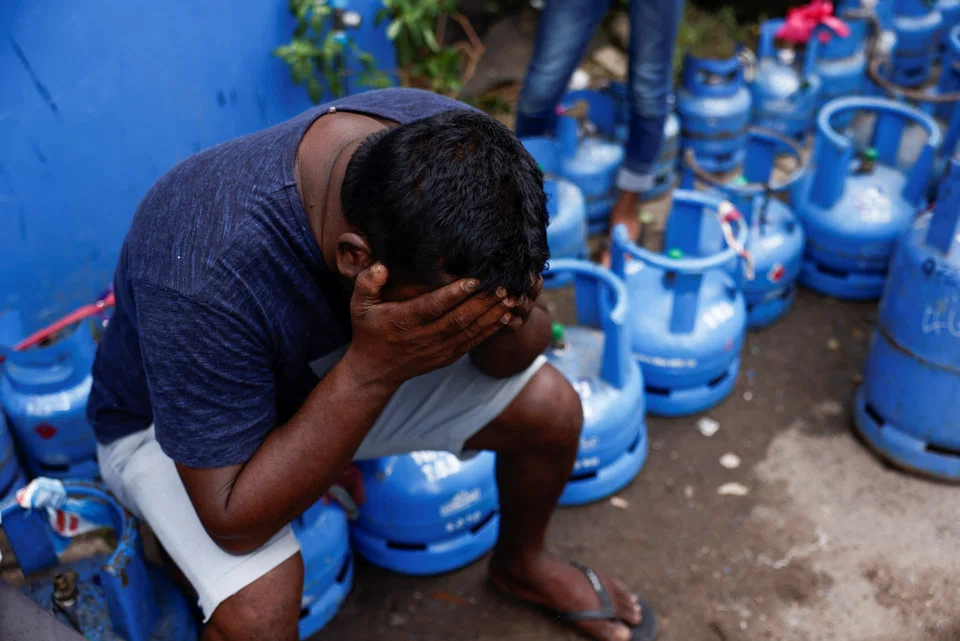
In the meantime, bridge loans are essential for the island nation to pay for food and fuel, with severe shortages stoking inflation to 40 per cent. Sri Lanka has defaulted on foreign payments and is seeking both rapid aid and a longer extended fund facility from the IMF, but must first show it has taken steps to reduce its existing debt burden.
“Political instability and the requirement of progress in the debt renegotiation remain obstacles to a quick agreement, despite the declared intention to seal a deal by the end of the month,” EMFI Group Ltd strategists Marianna Fajardo and Guillermo Guerrero wrote in a note.

Coomaraswamy said Sri Lanka expects a staff level agreement with the IMF as early as this month, which won’t mean that cash will be disbursed, but could increase confidence in the country’s financial assets.
The first task, however, is to agree on a base line for the Debt Sustainability Analysis and those negotiations are underway, Coomaraswamy said. Once the base line is established, Sri Lanka would need to work out what kind of offer it makes to the creditors.
“So it’s going to take some months, and given the fact that our reserves have gone toward almost zero, we need to find some ways of mobilising,” Coomaraswamy said. BLOOMBERG
Decoding Asia newsletter: your guide to navigating Asia in a new global order. Sign up here to get Decoding Asia newsletter. Delivered to your inbox. Free.
Share with us your feedback on BT's products and services
TRENDING NOW

NEA identifies 7 firms responsible for haze fires, notices issued urging action: Grace Fu
DBS remains analysts’ pick ahead of Q3 earnings after Singapore banks’ share slump

High Court rules against Julius Baer’s Singapore trust arm in US$50 million family trust dispute

Could stablecoins be the future of money?

