
Sri Lanka GDP likely plunged on debt default, political turmoil
 Add BT as a preferred source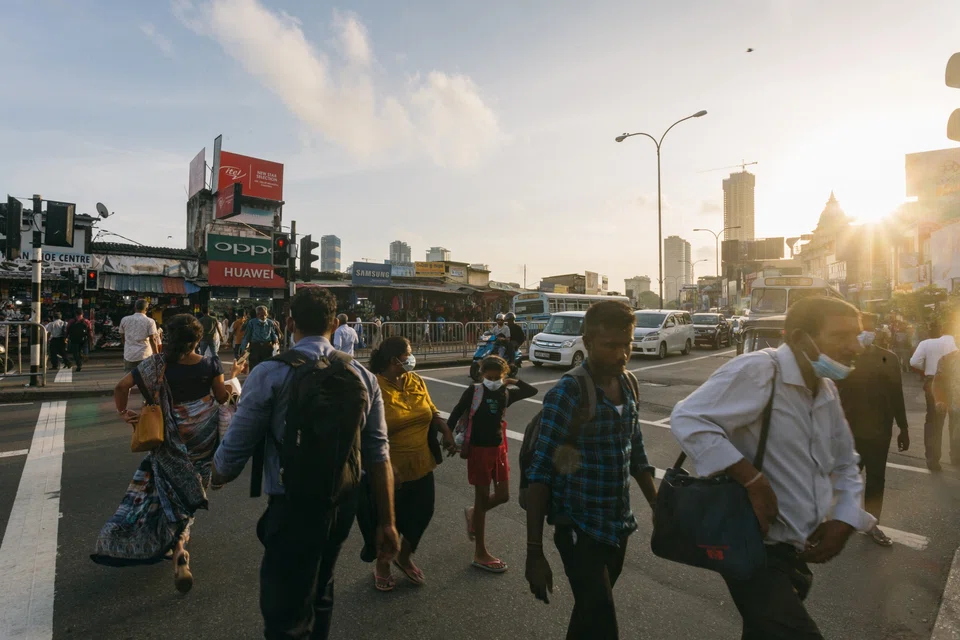
SRI LANKA’S economy likely shrank the most in 2 years amid a debt crisis that triggered a default and widespread protests that brought the nation to a standstill leading to the ouster of the president.
Gross domestic product (GDP) probably fell 10 per cent in the 3 months to June from a year ago, according to a Bloomberg survey of economists as of Wednesday (Sep 14). That’s the slowest reading since the corresponding quarter of 2020 and compares with a 1.6 per cent contraction in January-March.
The statistics department is due to release the data at about 3.00 pm local time on Thursday.
“Sri Lanka is likely trapped in a low-growth trajectory that will last decades,” according to Bloomberg Economics’ Ankur Shukla who said the island nation likely fell into a deep recession last quarter. “The debt crisis has tied the government’s hands, making any transformative public investment impossible for now.”
Sri Lanka’s US$81 billion economy collapsed after fuel supplies ran dry because of the financial crisis, spurring inflation that has quickened to a fresh high of 64.3 per cent in August and sending the policy rate more than doubling this year to 15.5 per cent from 6 per cent in end-2021.
A resignation by the central bank governor in early April foreshadowed the island nation’s second quarter misery where it grappled with more credit rating downgrades and market rout as it declared a debt default. By late June, citizens were advised to stay home for 2 weeks as the government restricted fuel use, fanning deeper discontent.
Navigate Asia in
a new global order
Get the insights delivered to your inbox.
The economic meltdown, the most dire in its independent history, spiralled into political chaos that led to a formation of a new government. President Ranil Wickremesinghe, who was elected by Parliament after his predecessor Gotabaya Rajapaksa fled the country, is now trying to push through economic and constitutional reforms to help turn the tide.
The currency has plunged more than 40 per cent this year and stocks are down almost 20 per cent, while the nation’s 7.55 per cent 2030 dollar bond is indicated at about 30 US cents on the dollar from nearly 50 US cents at the start of the year.
Road ahead
Earlier this month, authorities sealed an agreement with the International Monetary Fund (IMF) for a US$2.9 billion loan that will be crucial to rebuild reserves, unlock more funding and start a debt recast. Sri Lanka is also preparing for talks with India, Japan and China, its largest bilateral creditor, on restructuring nearly US$13 billion worth of debt.
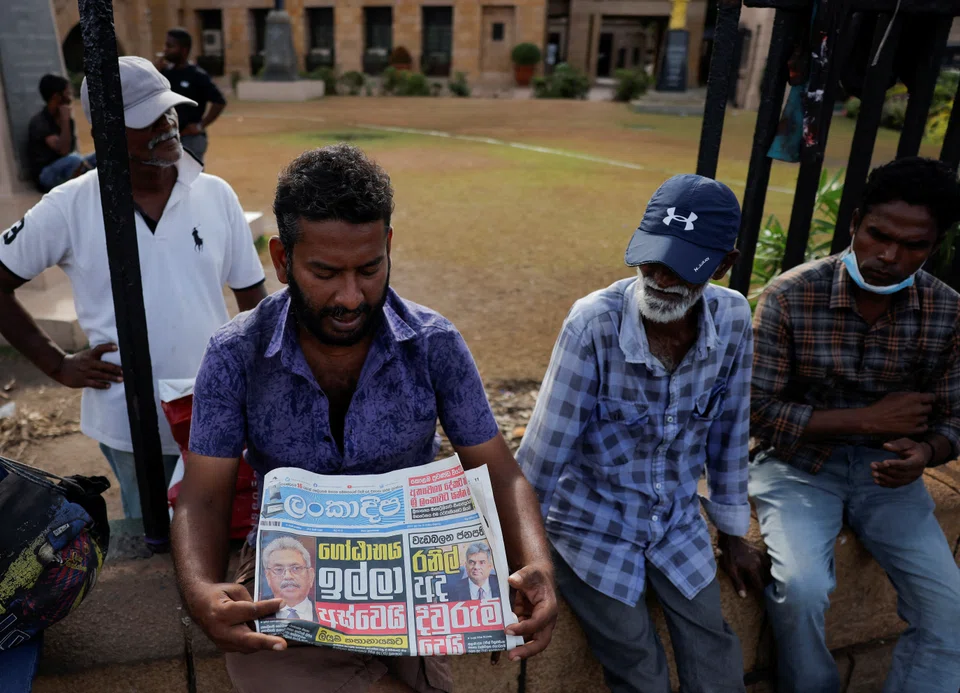
“We are not factoring considerable inflows in the near term on the back of the IMF programme,” said Lakshini Fernando, senior vice-president of research at Asia Securities in Colombo.
Sri Lanka needs about US$5 billion for essential imports to tide it over for 6 months, and nearly US$1 billion to strengthen its currency, Wickremesinghe said in June. On the demand side, sky-high inflation and plunging consumer confidence kept consumption subdued, Shukla said.
“We seem to have come out of the absolute bottom with activity picking up, but a crucial factor in the recovery would be continuous fuel supply,” Fernando said. BLOOMBERG
Decoding Asia newsletter: your guide to navigating Asia in a new global order. Sign up here to get Decoding Asia newsletter. Delivered to your inbox. Free.
Share with us your feedback on BT's products and services

