
Sri Lanka unveils debt restructuring plan to tackle economic crisis
 Add BT as a preferred source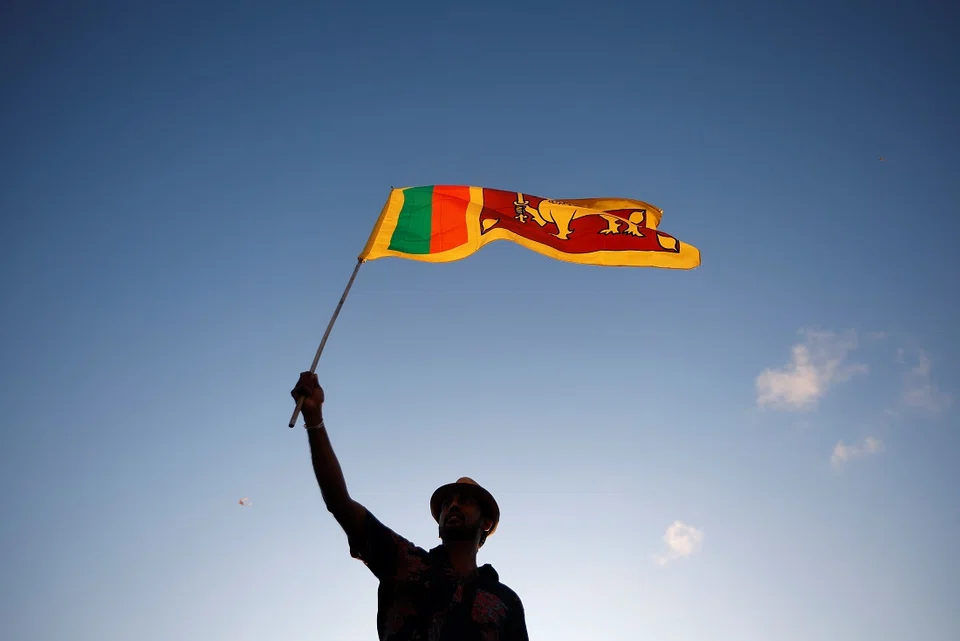
SRI Lanka’s central bank on Thursday (Jun 29) unveiled a far-reaching domestic debt restructuring plan aimed at restoring stability after an economic and political crisis last year that led to the toppling of then-president Gotabaya Rajapaksa.
The move comes as Colombo tries to meet conditions as part of a US$2.9 billion International Monetary Fund (IMF) bailout agreed in March and which is crucial to the country’s recovery.
The bank envisions a 30 per cent haircut on dollar-denominated bonds, including international sovereign notes.
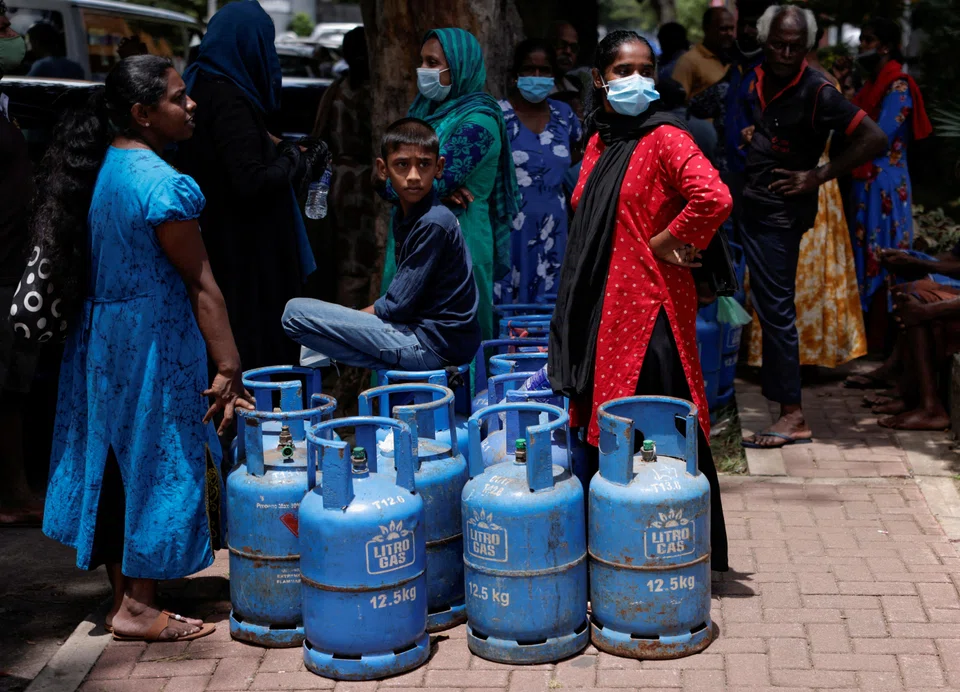
Sri Lanka defaulted on its US$46 billion foreign debt in April last year after running out of foreign exchange to finance even the most essential food, fuel and medicines.
Months of protest over economic mismanagement led to the ouster of Rajapaksa in July last year.
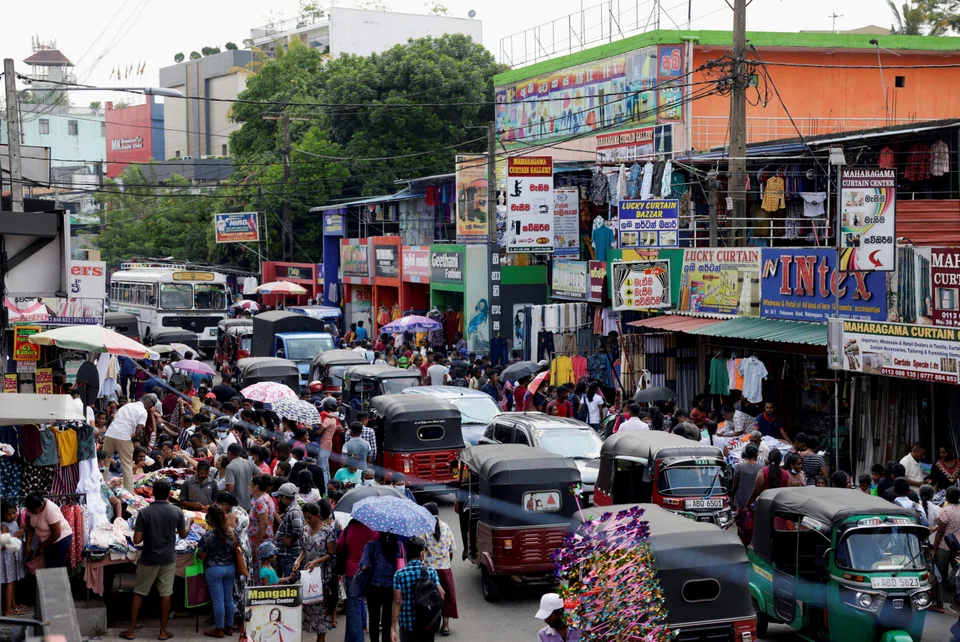
His successor, six-times prime minister Ranil Wickremesinghe, has cracked down on protests, raised prices, scrapped subsidies and doubled taxes to stabilise the economy.
Navigate Asia in
a new global order
Get the insights delivered to your inbox.
The bank said international sovereign bonds (ISB) holders can opt to accept a 30 per cent reduction in their capital in exchange for getting the rest of their money back in six years at a 4.0 per cent interest rate. The same terms were offered to Sri Lankan nationals holding dollar bonds.
The treatment of dollar-denominated Sri Lanka Development Bonds (SLDB) will be “comparable to external creditors”, the bank said in a statement.
If the SLDB holder does not agree to a reduction of the capital, the tenure of the bond will be extended to 15 years with interest payments of 1.5 per cent paid after nine years.
The third option is to exchange the dollar bonds for rupee securities, which will mature in 10 years and attract a floating interest rate of 1.0 percentage point above the central bank’s policy rate.
The government has not specifically spelt out a scheme for foreign creditors but made it clear that terms offered to local dollar bondholders will be the same as what will be offered to ISB holders.
Tentative signs of improvement
The government has summoned Parliament on Saturday to vote on the restructuring proposals, with banks shut from Thursday for five consecutive days.
Most of the SLDBs have been purchased by commercial banks in Sri Lanka and the total value of the outstanding bonds is about US$1.48 billion, according to official data.
Revised government figures show the government’s direct external debt was US$36 billion, of which US$13.52 billion is bilateral loans, while US$12.5 billion is ISBs.
Some US$10 billion in multilateral credit is not covered by the debt treatment.
The debt restructuring is a key condition for Sri Lanka to secure the 48-month, US$2.9 billion IMF bailout, which comes up for its first review in September.
“Discussions are ongoing in relation to the perimeter and parameters for debt restructuring with regard to bilateral and commercial foreign debt to reach an agreement before the first review of the IMF programme,” the bank said.
The government had expected foreign debt restructuring by last August, but it was held up as the country’s main bilateral creditor, China, was initially reluctant to take a haircut and instead offered more loans to pay off old debts.
Under IMF conditions, the government must reduce its domestic and foreign debt servicing by more than half to balance its books.
Earlier this month, the Fund said Sri Lanka’s economy showed “tentative signs of improvement” but recovery remains challenging and Colombo must pursue painful reforms. AFP
Decoding Asia newsletter: your guide to navigating Asia in a new global order. Sign up here to get Decoding Asia newsletter. Delivered to your inbox. Free.
Share with us your feedback on BT's products and services

