

Sri Lankan Prime Minister Rajapaksa resigns amid continued unrest
 Add BT as a preferred source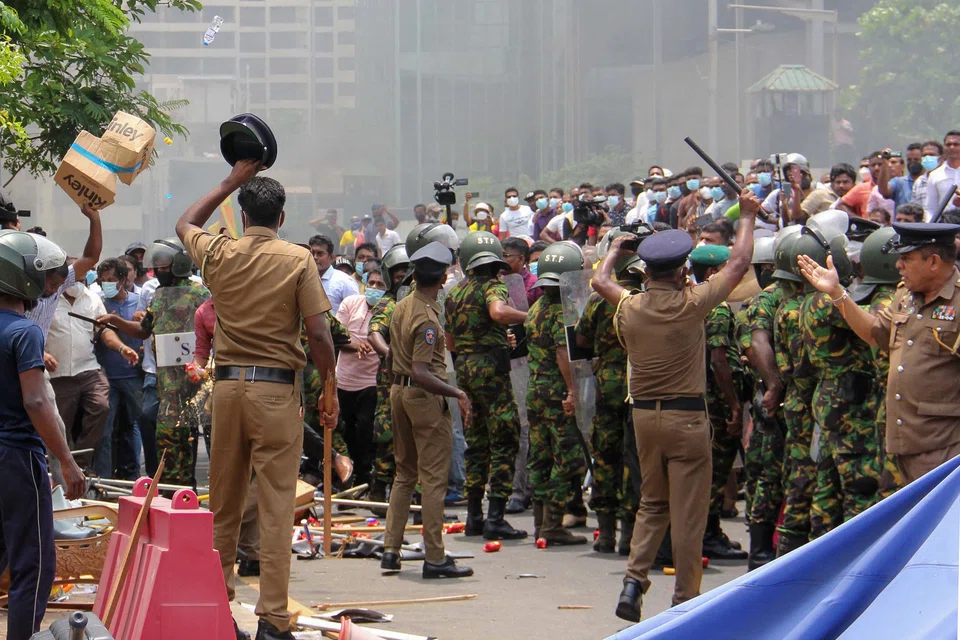
DeeperDive is a beta AI feature. Refer to full articles for the facts.
SRI Lankan Prime Minister Mahinda Rajapaksa resigned on Monday (May 9) amid a fresh surge in Asia’s fastest inflation-intensified public protests, triggering violence between the government’s supporters and opponents.
He submitted his resignation to his brother, President Gotabaya Rajapaksa, spokesman Rohan Weliwita said by phone.
The resignation makes way for Gotabaya Rajapaksa to create room for opposition members in key government roles.
Mahinda Rajapaksa’s resignation is unlikely to have any impact on the ground in Sri Lanka since his brother remains in charge, in a sign that the family doesn’t want to give in, said Smruti S. Pattanaik, a senior research fellow and Sri Lanka specialist at the Manohar Parrikar Institute for Defence Studies and Analyses in New Delhi.
“Protests are going to continue as the economic situation worsens,” she said. “Unfortunately, there are no easy solutions for the people of Sri Lanka, negotiations with the IMF are going to be long drawn and even then the remedial measures will mean further hardships.”
The prime minister’s resignation would dissolve the federal cabinet, raising questions about who would lead Sri Lanka’s ongoing talks with the International Monetary Fund (IMF) for emergency funds to buy food and fuel. Soaring prices of everything from petrol to essential medicines have kept protests on the boil in Sri Lanka, which is close to bankruptcy and has suspended payments on foreign debt.
Navigate Asia in
a new global order
Get the insights delivered to your inbox.
The island nation imposed a nationwide curfew Monday as clashes erupted between government supporters and citizens demanding the Rajapaksas resign over the nation’s worst economic crisis since independence.
Television footage on Monday showed groups setting fire to tents put up by anti-government demonstrators outside the prime minister’s official residence in Colombo, the capital. Similar scenes played out in front of the city’s waterfront promenade, where for weeks citizens have lined up peacefully to call for the president to step down.
Local news reports also said the military was ordered to quell the violence in Colombo. There was no immediate comment from the army. Police could be seen using water cannons to disperse the crowds and douse flames.
Foreign diplomats, including the US ambassador to Sri Lanka, said they condemned violence against peaceful protestors. The ambassador said the government should investigate anyone who incited violence and urged peace on the island.
A central bank press conference scheduled for Monday afternoon was also cancelled after the curfew was imposed.
The economic crisis has morphed into a political one as opposition and protesters demand the Rajapaksas’ ouster and for the country’s constitution be amended to roll back the sweeping executive powers of the presidency.
The violence erupted as IMF officials are set to hold virtual talks with their Sri Lankan counterparts from Monday through May 23 on the country’s request for support from the multilateral agency.
Sri Lanka’s dollar bonds due this July were indicated on Monday 0.49 cents lower at 46.04 cents on the dollar, reversing the 0.48 cents gain on Friday.
An official at Colombo’s main public hospital said at least 78 people had been brought in with injuries from the violence. Both the Rajapaksas condemned the day’s violence on Twitter.
Late Friday, the president had declared a state of emergency, giving him sweeping powers to suspend laws, detain people and seize property.
Opposition leader Sajith Premadasa decried Monday’s violence in a tweet and warned against “serious repercussions if any peaceful protesters or media are harmed.”
BLOOMBERG
Decoding Asia newsletter: your guide to navigating Asia in a new global order. Sign up here to get Decoding Asia newsletter. Delivered to your inbox. Free.
Share with us your feedback on BT's products and services
TRENDING NOW
Vietnam formalises new state leadership, redefining ‘four pillars’ power balance
‘Largest Singapore commercial S-Reit proxy’: analysts say buy CICT shares after Paragon acquisition

From 1MDB to ‘corporate mafia’: Is Malaysia facing a new governance test?
Why where you park your joint venture matters: Lessons from a US$689 million shareholder dispute

