Starmer says ousting him in 2026 would send Britain into chaos
He has the worst satisfaction rating of any premier of the past half century, polling even worse than former Tory leader Liz Truss
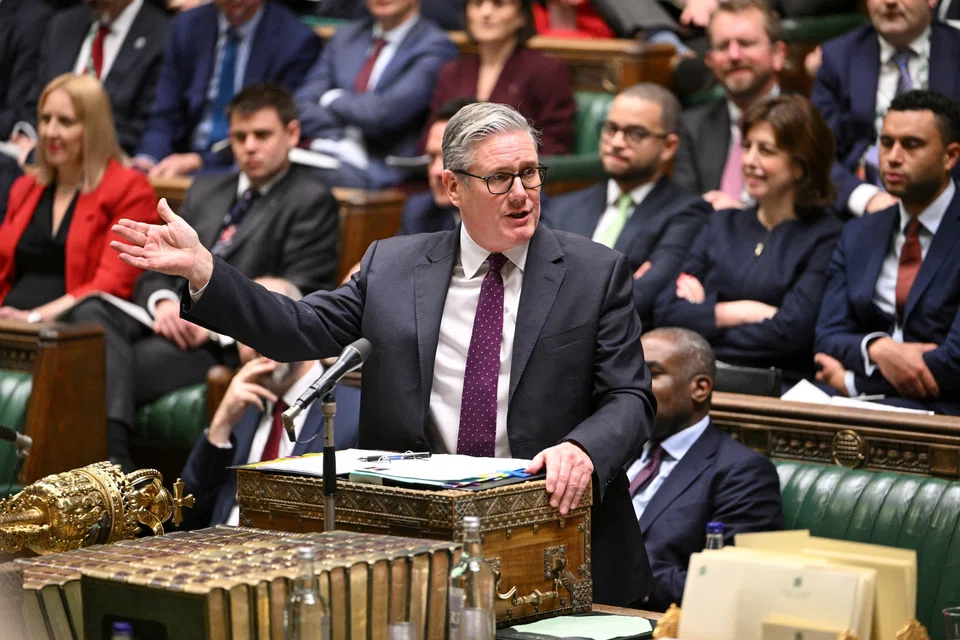
PRIME Minister Keir Starmer warned his governing Labour Party that removing him in 2026 would plunge Britain into “utter chaos” and open the door to a far-right government.
The turmoil wrought by the constant chopping and changing of personnel under the previous Conservative administration is “amongst the reasons that the Tories were booted out so effectively at the last election”, Starmer told the BBC in an interview broadcast on Sunday (Jan 4).
Any repeat of that instability “would gift Nigel Farage”, the premier said, referring to the populist Reform UK leader who currently tops opinion polls and is seen as Labour’s main rival at the next general election, due by 2029 latest.
“We know from that evidence what happens if you go down that chaotic path, and I’m not going to take us back to that kind of chaos,” he added.
The prime minister was speaking in a long-form interview with the national broadcaster designed to set out a clearer narrative about his government’s domestic achievements, following criticism from his own lawmakers that he has failed to define the purpose of his premiership since winning power a year and a half ago.
Starmer has the worst satisfaction rating of any premier of the past half century, polling even worse than market-roiling former Tory leader Liz Truss. Labour’s approval ratings have halved since their July 2024 election landslide victory, with Farage’s Reform winning support off the back of the government’s inability to kick-start the economy or reduce the flow of illegal migrants into the country.

That has led many in Labour to consider whether they should change leader this year. Potential rivals to the prime minister include Health Secretary Wes Streeting, former deputy premier Angela Rayner and Greater Manchester Mayor Andy Burnham.
In the BBC interview, Starmer argued that his administration was making progress on the cost of living as inflation and interest rates come down, also pointing to policies on apprenticeships and vowing he would wind down a policy of housing asylum seekers in hotels, which is expensive and unpopular with voters.
He also suggested he wanted to take the UK “even closer” to the European Union by aligning further with its single market. He again rejected calls from within his own party to re-establish a customs union with the bloc. BLOOMBERG
Decoding Asia newsletter: your guide to navigating Asia in a new global order. Sign up here to get Decoding Asia newsletter. Delivered to your inbox. Free.
Share with us your feedback on BT's products and services