

Stocks and bonds fall as ceasefire doubts mount
Brent resumes its advance, rising 5% to above US$107 a barrel
{NEW YORK] Stocks and bonds fell globally as growing uncertainty over Iran’s willingness to engage in talks about a ceasefire in the Middle East sent oil prices higher.
S&P 500 futures dropped 0.9 per cent, with about 48 hours to go before a US delay in strikes on Iranian energy infrastructure expires. As Teheran continued to reject US President Donald Trump’s push for talks, Axios reported the Pentagon is preparing options for a “final blow”, including ground forces and a massive bombing campaign. Trump urged Iran “to get serious” before it was too late.
Brent resumed its advance, rising 5 per cent to above US$107 a barrel. The move rekindled inflation fears and pushed yields higher as money markets priced in tighter monetary policy. Two-year Treasury yields climbed five basis points to 3.93 per cent, holding the move as US jobless claims ticked higher. Gold slipped below US$4,450 an ounce, while the US dollar rose 0.2 per cent.
Meanwhile, the makers of memory chips extended losses in the US premarket after Google touted a technique that could reduce memory needs for artificial intelligence. In Europe, the Stoxx 600 snapped a three-day run of gains.
“If Iran were to signal willingness to negotiate and an end to the closure of the Strait of Hormuz became more likely, equity markets may quickly move back to previous highs,” said Wolf von Rotberg, strategist at Bank J Safra Sarasin. “Yet Iran has so far declined all offers to talk, as time is on their side.”
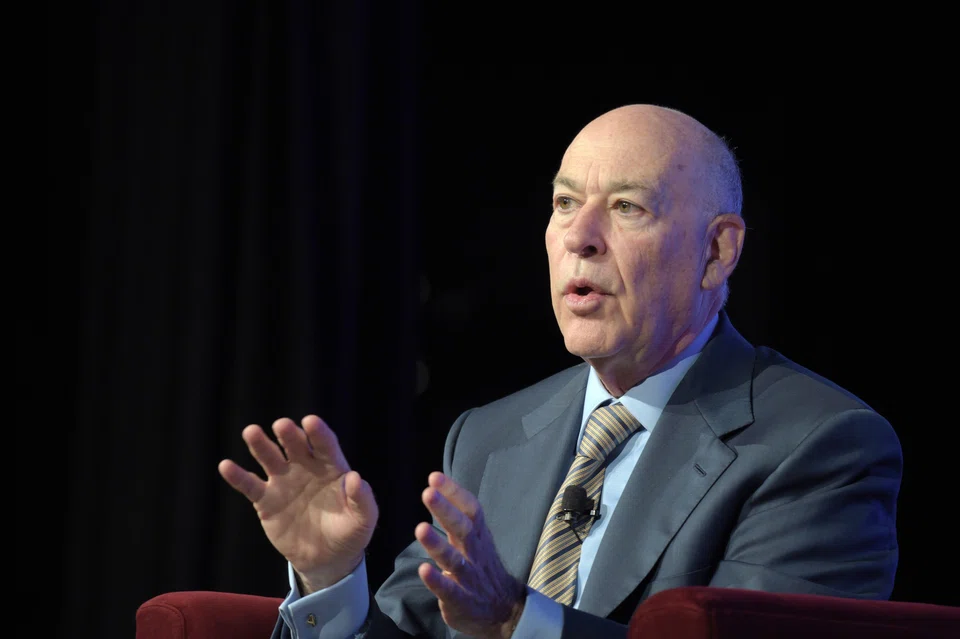
BlackRock president Rob Kapito said that investors may be underestimating the risks stemming from the war, which are likely to weigh on economic growth and drive inflation higher even if the conflict ends soon.
“What if this disruption is a week, six months, a year – what is it going to mean for the companies that I own?” Kapito asked. “My biggest concern is that people aren’t looking at this - they’re just making the assumption” for an optimistic outcome.
The Organisation for Economic Co-operation and Development echoed concerns over price pressures and slowing growth. The organisation sees average inflation across major economies jumping to 4 per cent this year, rather than the 2.8 per cent it predicted in December. German officials, meanwhile, see a risk that the nation’s economy will grow at just half the pace they had envisaged.
“Bond yields currently look much closer to fair value than they did a month ago, regardless of the war and simply due to underlying inflationary conditions and burgeoning budget deficits,” said Daniel Murray, deputy chief investment officer at EFG Asset Management. “The war may simply have accelerated the correction.”

Meanwhile, private credit remained in focus after Jefferies Financial Group posted results that missed Wall Street estimates, dragged down by losses on wayward credit bets. A private credit fund managed by Ares Management posted its steepest monthly loss on record in February. BLOOMBERG
Decoding Asia newsletter: your guide to navigating Asia in a new global order. Sign up here to get Decoding Asia newsletter. Delivered to your inbox. Free.
Share with us your feedback on BT's products and services
TRENDING NOW

LTA proposes combining car COE categories, adding rebate-surcharge system

StarHub to acquire MyRepublic’s mobile business amid ongoing telco consolidation

DBS, OCBC, UOB rout lops billions off STI as inflation, rate concerns spook investors

Grab CEO’s wife Chloe Tong on life with Anthony Tan and finding her purpose

