
Sunak’s Tories Suffer Stinging Rebuke in UK Local Elections
 Add BT as a preferred source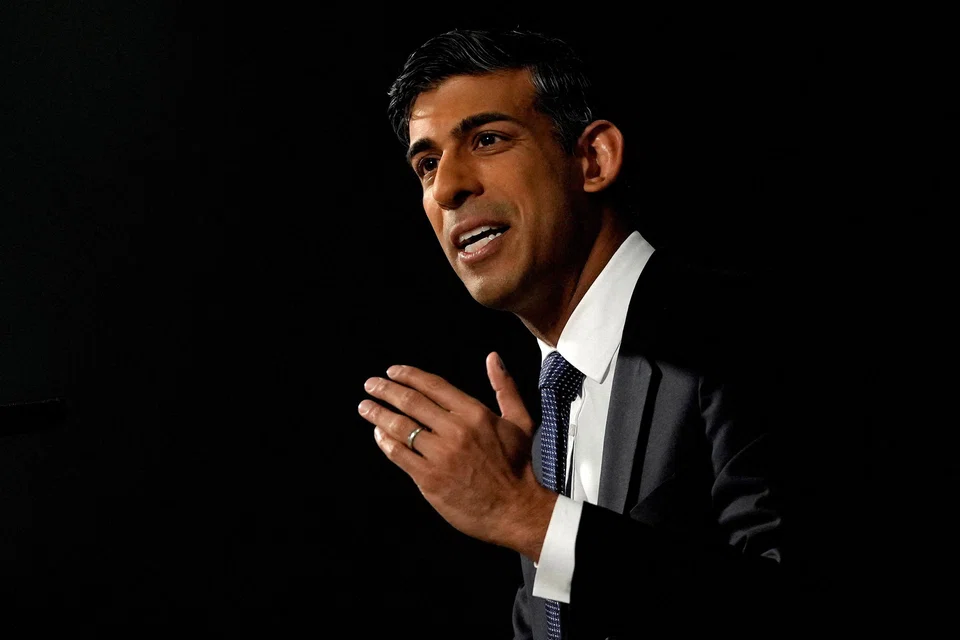
RISHI Sunak’s UK Conservatives lost scores of local council seats in a bruising first election for the prime minister, a result that suggests the ruling party is in danger of losing power in a national vote that’s expected next year.
The Tories lost more than 860 seats after about 6,700 after more than 8,000 results had been processed on Friday (May 5), approaching the worst-case scenarios discussed before the voting began across England on Thursday. The main opposition Labour Party gained more than half of those seats, while the Liberal Democrats chipped away at the Conservative rural heartland in the south.
The results, if extrapolated across the whole of the UK, implied that Labour could carry a national vote share of 35 per cent, BBC polling analysis indicated. The Tories would have 26 per cent, while the Liberal Democrats would come in third with 20 per cent.
“The nine-point lead that Labour is projected to have over the Conservatives is the largest lead that the Labour Party have recorded on our measure since losing power in 2010,” said John Curtice, a BBC polling analyst who is also a professor of politics of Strathclyde University.
The results suggest Sunak still has a long way to go to turn his party’s fortunes around after a chaotic 2022 that saw the Tories oust two prime ministers – Boris Johnson and Liz Truss. They’re also the first broad evidence that Starmer’s double-digit national polling lead is translating into results on the ground, which will give the opposition confidence ahead of a general election that Sunak must call by January 2025.
“Make no mistake: we are on course for a Labour majority at the next general election,” a jubilant Labour leader Keir Starmer told supporters in Chatham, southeast of London on Friday morning. “We’ve changed our party, we’ve won the trust and confidence of voters, and now we can go on to change our country.”
Navigate Asia in
a new global order
Get the insights delivered to your inbox.
For several Tory MPs, the results confirmed concerns, discussed privately for weeks, that the party needs something more than Sunak’s promise of stability to save it from electoral oblivion next year. People feel nothing in the country is working and are voting against the Conservatives, regardless of whether it’s the party’s fault, said a Cabinet minister, who asked not be named while discussing internal party concerns.
The election suggests the post-Brexit political realignment that Johnson rode to victory in 2019 is shifting again, this time against the Conservatives. One veteran Tory official said it looked like a worst-case scenario in which northerners who voted to leave the European Union were returning to Labour while southerners who voted to remain were running to the Liberal Democrats.
“It’s always disappointing to lose Conservative colleagues,” Sunak told the BBC, while highlighting Tory gains in places like Peterborough, Bassetlaw and Sandwell. “The message I’m hearing from people is they want us to focus on their priorities.”
Labour made gains in the northern “Red Wall” areas of Middlesbrough, Blackpool and Stoke-on-Trent, where Johnson had seen success in the 2019 general election. Starmer’s party also won southern target areas such as Plymouth, Swindon and Medway, the first time in 20 years it’s taken that council in Kent.
The local elections mark the biggest test of political opinion in England ahead of the next general election, with Thursday’s polls held in 230 of England’s 317 councils or a total of 8,058 local authority seats. Mayoral elections were also fought in Bedford, Leicester, Mansfield and Middlesbrough. Northern Ireland holds local elections on May 18.
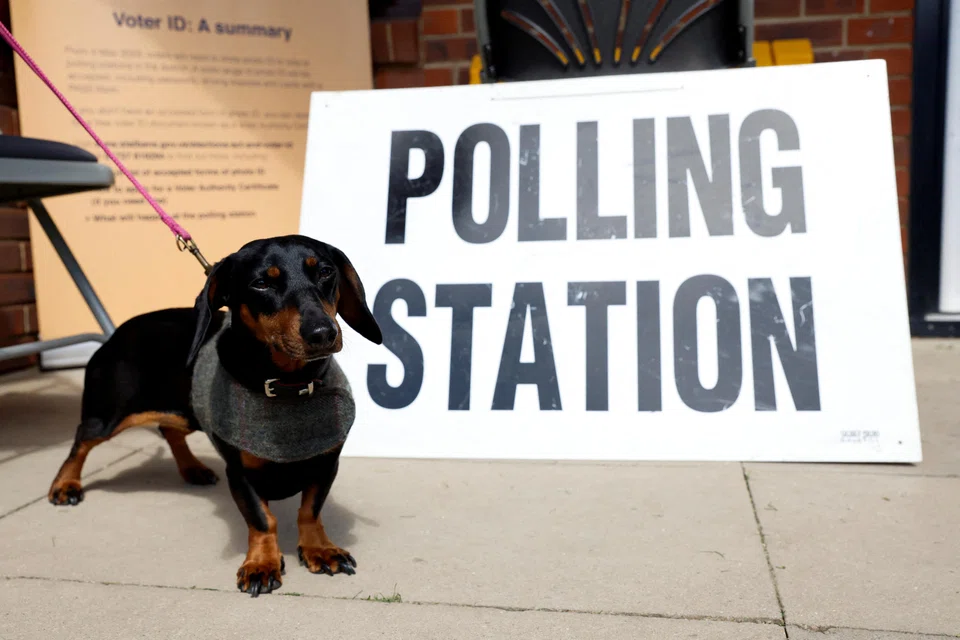
They are the first set of polls to take place with mandatory voter identification, which led to some voters being turned away from polling booths. The Electoral Commission said in a statement after polls closed on Thursday that it would examine the extent of the impacts and seek to draw lessons for future votes.
“We already know from our research that the ID requirement posed a greater challenge for some groups in society, and that some people were regrettably unable to vote today as a result,” the commission said. “It will be essential to understand the extent of this impact, and the reasons behind it, before a final view can be taken on how the policy has worked in practice and what can be learnt for future elections.”
The Liberal Democrats made an eye-catching gain in Windsor & Maidenhead in the southeast, winning the council from the Tories. The local election result bode badly for the Conservatives in Parliament, since the area is currently represented by two Tory MPs, including former Prime Minister Theresa May. The party also took control in Stratford-on-Avon, while the Green Party won in mid-Suffolk, its first majority control in a UK council.
Sunak’s Tories had sought to manage expectations ahead of the vote by embracing outside predictions of the potential 1,000-seat loss. But the results will be of extra concern because the Tories were already starting from a low base on the seats that were up for election on Thursday. They were last voted on in 2019, when both the Tories – then led by May – and Labour under Jeremy Corbyn took a hammering as voters opted for smaller parties and independents in protest against the Brexit paralysis that was then gripping Parliament.
Conservative Party Chairman Greg Hands acknowledged the defeat in a fund-raising letter sent to supporters Friday afternoon, even as votes were still being counted in many districts.
“These local elections are a massive wake-up call,” Hands said. “If you want to stop Keir Starmer, then we have to come together now.” BLOOMBERG
Decoding Asia newsletter: your guide to navigating Asia in a new global order. Sign up here to get Decoding Asia newsletter. Delivered to your inbox. Free.
Share with us your feedback on BT's products and services

