Switzerland plays for time in stock market stand-off with EU
 Add BT as a preferred source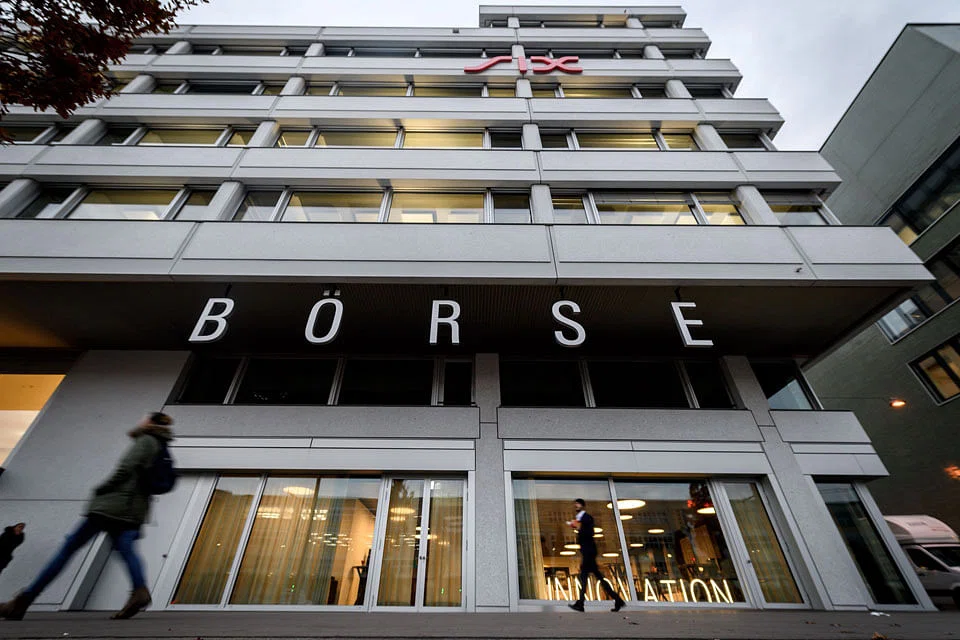
Zurich
IN its game of brinkmanship with the European Union (EU), Switzerland is playing for time.
Bern didn't say yes to a hotly contested agreement with Brussels on Friday, taking the gamble that its equity market won't get cut off from EU investors. The government didn't say no either, announcing a national debate on the draft of the treaty instead. That shifts the focus to Dec 11, when the European Commission is due to discuss the matter.
Switzerland and the EU are battling over a "framework" agreement to supplant the amalgamation of 120 treaties that now govern relations. The EU has made clinching an accord a prerequisite for further recognition of the Swiss bourse under MiFiD II. The pact is politically unpopular in Switzerland.
"The country is very divided; and I wonder whether implicitly what they're saying is 'look, you're going to have difficulty getting this through the people and we'll demonstrate this by going to consultation,' " said Clive Church, professor emeritus of European studies at the University of Kent. "Then the EU will know where it stands."
For its part, the EU, which is dealing with Brexit, is in no mood to grant Bern any concessions. The bloc has urged a "swift" consultation period.
The new treaty would affect how Bern adopts elements of EU law, and it has run into an unholy alliance of opposition within Switzerland: The euro-sceptic nationalists oppose it on the grounds that it impinges on their country's independence, while labour unions fear it will erode high local wages.
Worker association Travail.Suisse reacted to the government's announcement by comparing the treaty's hollowing out of labour market protections to an Emmentaler cheese with lots of holes. The nationalist Swiss People's Party said it was dismayed that the government hadn't rejected the draft treaty out of hand.
Even if Bern manages to clinch an agreement with Brussels, the framework treaty can be torpedoed via a referendum. Calling one requires the signatures of 50,000 adult citizens in the country of eight million. Switzerland's equivalence status for its exchanges under the EU's MiFiD II rules, which allows banks and brokers within the 28-country bloc to trade there, runs out on Dec 31.
For the Swiss general public "the question of wages is much more central" than the stock market "side show", said Cedric Wermuth, a member of the Social Democrats in parliament's lower house. Brussels had to be aware that bids to pressure the Swiss into agreeing to the accord "won't have a positive impact".
Elmar Brok, a member of the European Parliament, said he couldn't understand Switzerland's objections to the labour-market provisions. He threatened reprisals in areas including "energy and the stock market", according to the SonntagsBlick newspaper.
To prevent its bourses from suffering a plunge in volume once equivalence expires, Bern has found a loophole that it hopes will guarantee trading remains in Switzerland. BLOOMBERG
Share with us your feedback on BT's products and services