

Taleban deny their deputy premier is dead
 Add BT as a preferred source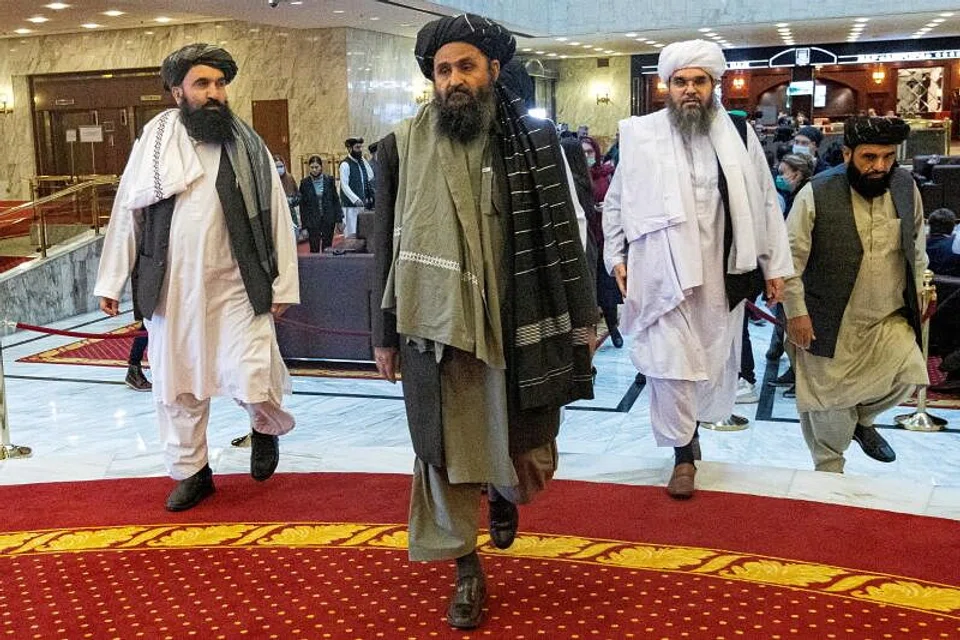
DeeperDive is a beta AI feature. Refer to full articles for the facts.
[KANDAHAR] The Taleban have denied that one of their top leaders has been killed in a shootout with rivals, following rumours about internal splits in the movement nearly a month after its lightning victory over the Western-backed government in Kabul.
Sulail Shaheen, a Taleban spokesman, said Abdul Ghani Baradar, former head of the Taleban political office who was named deputy prime minister last week, issued a voice message rejecting claims he had been killed or injured in a clash.
"He says it is lies and totally baseless," Mr Sulail said in a message on Twitter.
The Taleban also released video footage purportedly showing Mr Abdul Ghani at meetings in the southern city of Kandahar. Reuters could not immediately verify the footage.
The denials follow days of rumours that his supporters had clashed with those of Sirajuddin Haqqani, head of the Haqqani network that is based near the border with Pakistan and was blamed for some of the worst suicide attacks of the war.
The rumours follow speculation over possible rivalries between military commanders like Mr Sirajuddin and leaders from the political office in Doha like Mr Abdul Ghani, who led diplomatic efforts to reach a settlement with the United States.
Navigate Asia in
a new global order
Get the insights delivered to your inbox.
The Taleban have repeatedly denied the speculation over internal divisions.
Mr Abdul Ghani, once seen as the likely head of a Taleban government, had not been seen in public for some time and was not part of the ministerial delegation which met Qatari Foreign Minister Sheikh Mohammed bin Abdulrahman Al-Thani in Kabul on Sunday.
The movement's supreme leader, Haibatullah Akhundzada, has also not been seen in public since the Taleban seized Kabul on Aug 15, although he issued a public statement when the new government was formed last week.
Speculation over Taleban leaders has been fed by the circumstances surrounding the death of the movement's founder, Mullah Omar, which was only made public in 2015 two years after it happened, setting off bitter recriminations among the leadership.
REUTERS
Decoding Asia newsletter: your guide to navigating Asia in a new global order. Sign up here to get Decoding Asia newsletter. Delivered to your inbox. Free.
Share with us your feedback on BT's products and services
TRENDING NOW

‘Boring’ is the new black: The stars are aligning for a Singapore stock market revival

Near sell-out launches in March boost developer sales to 1,300 units after four slow months
China pips the US if Asean is forced to choose, but analysts warn against reading it like a sports result
Genting Singapore’s Lim Kok Thay receives S$7.5 million pay package for FY2025

