

Taper tantrum haunts Yellen as rate rise approaches
Fed officials fret that bond yields near record lows will surge once rates are raised
Washington
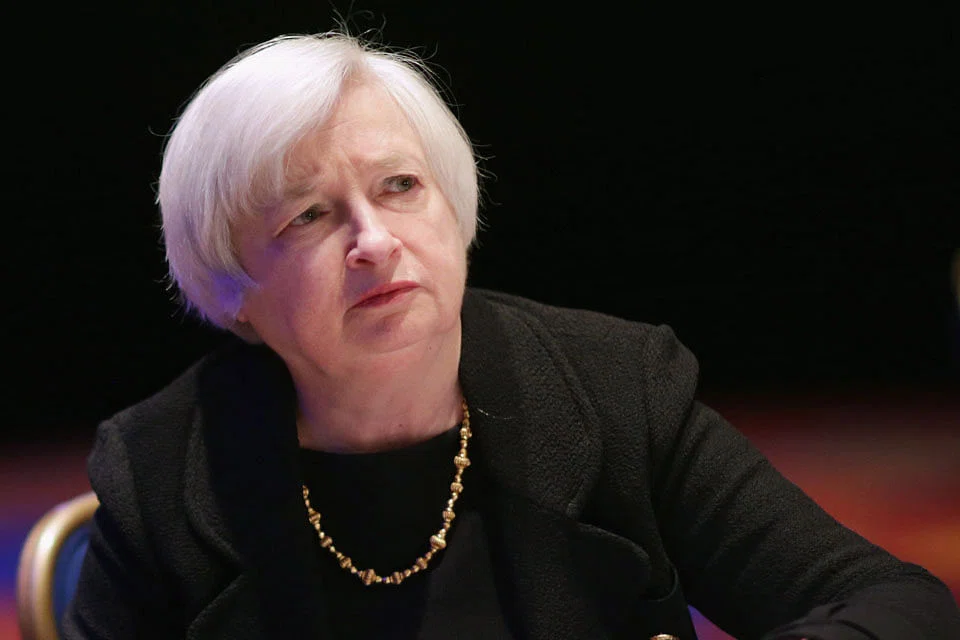
JANET Yellen is haunted by the taper tantrum as the Federal Reserve lays the groundwork for its first interest rate increase in almost a decade.
The Fed chair and her colleagues are fretting that bond yields near record lows could surge once the Fed starts raising rates, according to minutes of their April meeting released this week. Higher costs of everything from mortgages to car loans could result, potentially putting the fragile economic recovery at risk.
Ms Yellen has seen this movie before. In 2013, when then-chairman Ben Bernanke suggested that the Fed could start tapering a bond-buying programme intended to stimulate the economy, Treasury yields jumped. A replay could prompt the Fed to pursue a more gradual tightening path, said Gennadiy Goldberg, US strategist at TD Securities USA LLC in New York.
"It could really be a concern for them that maybe they shouldn't hike as quickly or as much if we do get a taper tantrum-like scenario, where some of the tightening is done for them by a massive market readjustment," Mr Goldberg said. "I don't think it will change the timing for the first rate hike," he said, "but the pace of future hikes, yeah."
Changes in the structure of the Treasury market could exaggerate the reaction to a rate increase, Fed officials said at last month's meeting. Strategists have cited reduced liquidity as one catalyst for increased volatility.
Most Fed officials have said that they are likely to raise rates this year, though they have not specified precisely when. At their April meeting, officials said only that conditions for a rate rise probably will not fall into pace by their next meeting in June, the minutes showed. Economists expect an increase in September, according to a Bloomberg survey.
How markets react when they do finally tighten is a source of concern for Fed officials, who have kept the benchmark federal funds rate near zero since December 2008.
Expectations that the Fed will continue its easy money policies have helped keep Treasury yields low. The 10-year note yielded 2.19 per cent late on Thursday, and it has averaged 1.99 per cent this year.
"Policymakers highlighted possible risks related to the low level of term premiums," or the extra compensation that investors demand for holding long-term bonds, the minutes showed. Officials noted that it is possible that those levels could "rise sharply - in a manner similar to the increase observed in the spring and summer of 2013" during the so-called taper tantrum.
At the meeting, officials said that preparing markets for a rate rise could reduce the fallout.
"Careful committee communications regarding its policy intentions could help damp any resulting increase in market volatility around the time of the commencement of normalisation," some officials said, according to the minutes.
Ms Yellen has already sounded warning signals. Responding to questions at a May 6 forum in Washington, she said that both stocks and bonds are richly valued.
"Long-term interest rates are at very low levels," Ms Yellen said. "We could see a sharp jump in long-term rates" after lift-off, she said. Stocks and Treasuries fell on her comments.
The challenge for the Fed is cooling off markets without sowing panic, said Lori Heinel, chief portfolio strategist at the investment management unit of State Street Corp.
"We know that in the past when they've talked about raising rates, we've seen sharp sell-offs in bond markets," she said.
The Fed has also sought to prepare markets by dropping assurances that interest rates will stay low, stressing instead that they could be raised at any meeting, depending on how economic data unfold.
The central bank in April repeated that it will tighten when it sees further improvement in the labour market and is "reasonably confident" that inflation will move back up to its 2 per cent goal in the medium term.
Reduced liquidity in the Treasury market could exaggerate the reaction to a rate increase, Fed officials said at last month's meeting.
Liquidity may have declined because regulations put into effect in the wake of the 2008 financial crisis have made it costly for banks to hold large inventories of bonds on their balance sheets.
Concerns over illiquidity in the Treasury market in particular were magnified after Treasury yield fluctuated by almost 0.4 percentage point on Oct 15.
The Bank of America Merrill Lynch's MOVE Index, a measure of expected Treasury-market volatility, reached 90.99 on May 6, the highest level since March 3, and was at 86.11 on Thursday.
"The Fed can't change that the structure of the market has changed," said Tim Paulson, fixed income investment strategist at Lord Abbett & Co in Jersey City, New Jersey, which has US$139.1 billion in assets under management. "But what is important is that they acknowledged it, and that's significant." Bloomberg






