

Tariff uncertainty could curb investment in small businesses, UN trade agency says
Laos faces tariffs at 40%
 Add BT as a preferred source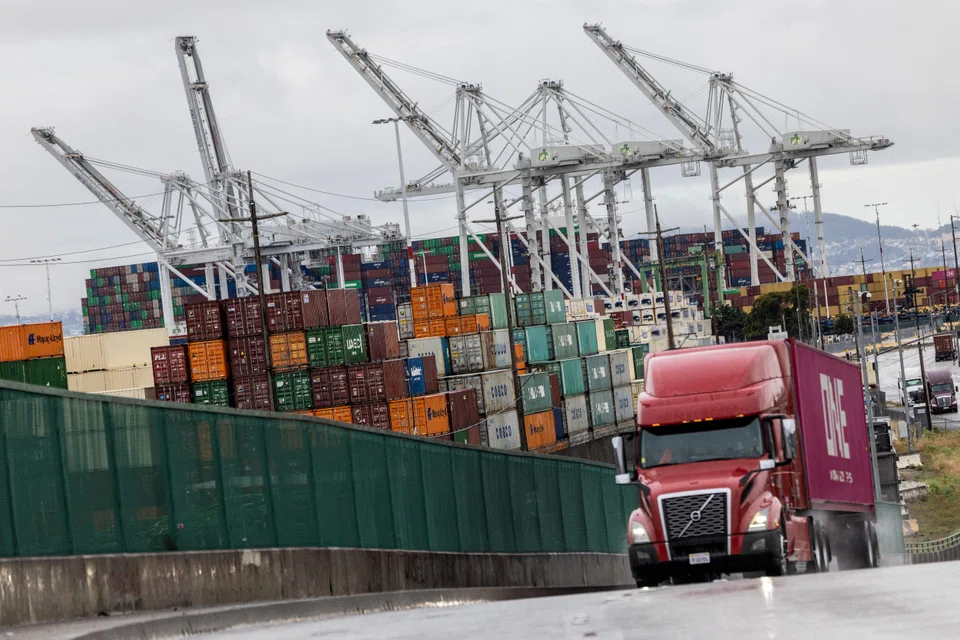
DeeperDive is a beta AI feature. Refer to full articles for the facts.
[GENEVA] Small and medium-sized businesses and developing economies are likely to be at particular risk of a slowdown in investment due to ongoing tariff uncertainty, the Secretary-General of the UN Trade and Development Agency (UNCTAD) told Reuters on Monday (Oct 13).
“We fear that there will be more lagging numbers in terms of investment,” UNCTAD’s Rebeca Grynspan said in an interview at her office in Geneva.
“We fear small and medium-sized businesses will be affected everywhere, but also small countries that depend much more on trade and investment to really seek growth.”
While artificial intelligence has driven trade and investment this year, she said, it remains concentrated and excludes small countries with developing economies.
A UNCTAD report in July found that global foreign direct investment fell for a second consecutive year in 2024, with concerns that this year could be even worse as trade tensions rock investor confidence.
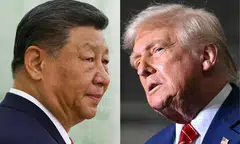
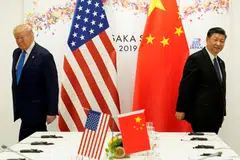
Since he took office in January, US President Donald Trump’s tariff decisions have shaken financial markets and sent a wave of uncertainty through the global economy.
Navigate Asia in
a new global order
Get the insights delivered to your inbox.
Grynspan said that forecasts for 2026 hinge on whether the current trade tensions escalate into a full-blown trade war or if higher tariffs persist amid ongoing trade negotiations.
“There is uncertainty, but there will be more predictability. The markets will adapt to the new situation,” she said.
Grynspan said that the least developed countries in Africa and small island states were “worse off” and have less resilience amid trade uncertainties, as they face higher tariffs compared to developed nations.
SEE ALSO
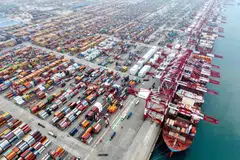
While the EU has struck a deal setting duties at 15 per cent on most goods it exports to the United States, they are often much higher on so-called least developing countries. Laos, for example, faces tariffs at 40 per cent.
Grynspan urged the US to spare vulnerable countries from higher tariffs. In July, Lesotho, a small African nation, received a modified tariff rate of 15 per cent following Trump’s earlier threat of 50 per cent tariffs. REUTERS
Decoding Asia newsletter: your guide to navigating Asia in a new global order. Sign up here to get Decoding Asia newsletter. Delivered to your inbox. Free.
Share with us your feedback on BT's products and services
TRENDING NOW

From 1MDB to ‘corporate mafia’: Is Malaysia facing a new governance test?
Higher costs, lower returns: Why are Singaporeans still betting on real estate?
South-east Asian markets account for 8.8% of global capital inflows from 2021 to 2024: report
Richard Eu on how core values, customers keep Singapore’s TCM chain Eu Yan Sang relevant

