Thai baht depreciation due to external factors, being monitored, says central bank
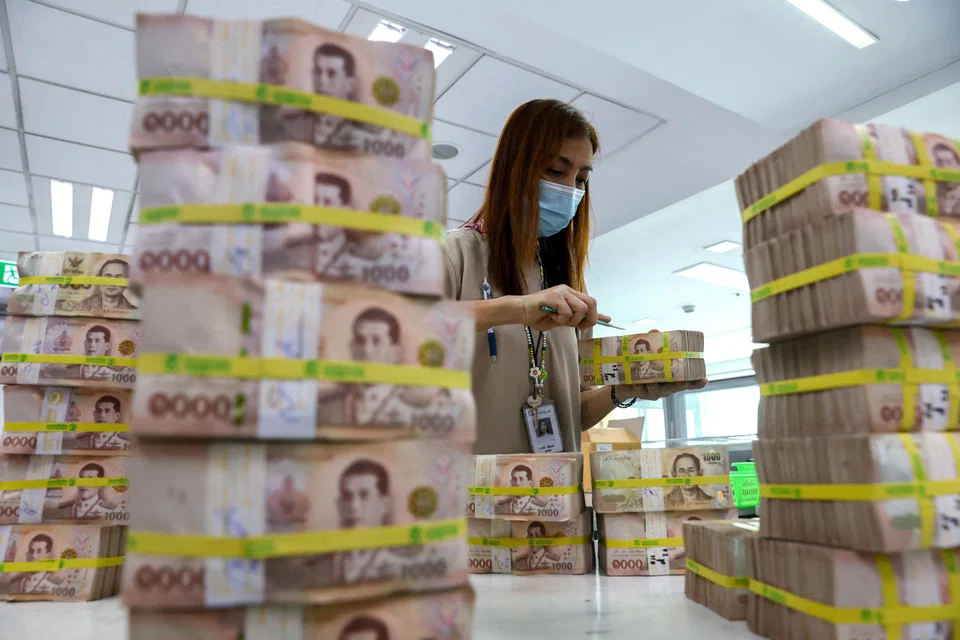
THAILAND’S central bank said on Tuesday (Oct 3) it was closely watching movement in the baht, which it said is a result of external factors and in line with regional peers.
The baht fell to an 11-month low at 37.095 on Tuesday morning. The central bank was ready to manage the baht if there were irregularly movements, it said in a statement, adding investors were awaiting clarity on the fiscal policies of the new government.
“The strengthening of the dollar (comes) from the possibility that the Federal Reserve will maintain interest rates longer than expected,” said Bank of Thailand senior director Sakkapop Panyanukul said.
Other factors included pressures from falling gold prices and increasing oil prices, Sakkapop added.
Thailand’s Prime Minister Srettha Thavisin earlier on Tuesday said a weak baht could help support exports and tourism. REUTERS
Decoding Asia newsletter: your guide to navigating Asia in a new global order. Sign up here to get Decoding Asia newsletter. Delivered to your inbox. Free.
Share with us your feedback on BT's products and services