

Thai housing demand recovering, but outlook clouded by energy shock risks
Rising power costs, soft domestic demand, pullback in foreign buying expected to weigh on the sector
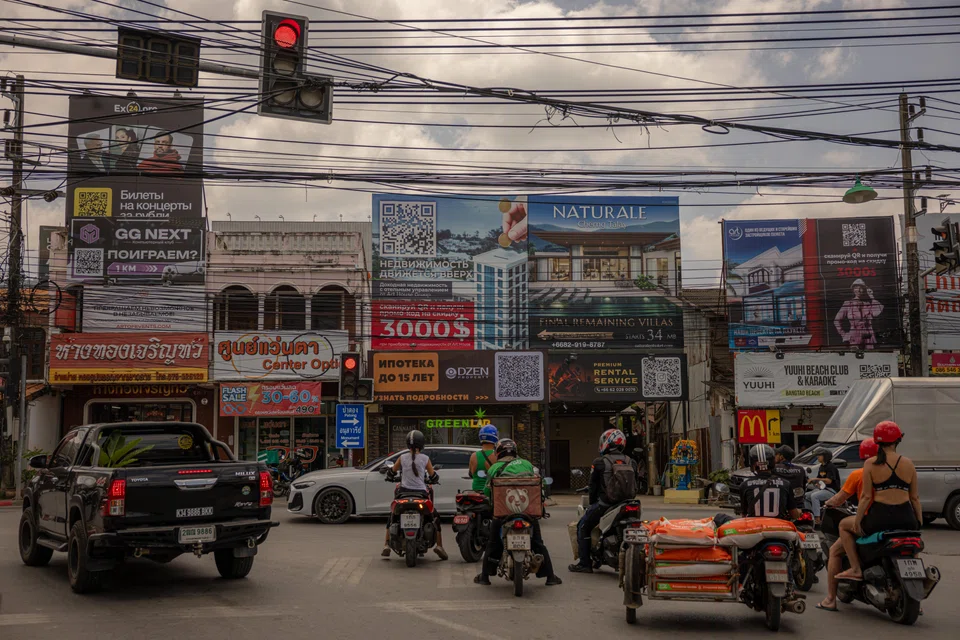
[BANGKOK] Thailand’s housing market showed recovery signs in the first quarter of 2026, the state house lender said on Wednesday (May 27), with transaction volumes rising on government stimulus even as gains in value lagged, underscoring weak purchasing power.
The outlook remains fragile, with rising energy costs linked to the Middle East war, soft domestic demand and a pullback in foreign buying expected to weigh on the sector through the rest of the year, the Government Housing Bank (GHB) said.
It added that the housing market is expected to decline slightly in 2026 due to energy costs and inflation, though declines will be limited by government stimulus, an extended loan-to-value easing for another year and fee cuts for certain homes.
Foreign condominium demand weakened sharply in Q1, with transfers down about 17 per cent year on year in both volume and value; foreigners continued to account for a significant share of transactions.
Chinese buying declined steeply, by 43 per cent in value, while Russian demand grew. Foreign activity was concentrated in Bangkok, Chonburi and Phuket, particularly in higher-end segments.
GHB expects a mild contraction in 2026, with transfers seen down 1.1 per cent in volume and 2.3 per cent in value, and new mortgage lending projected to fall 1.6 per cent.
Residential unit transfers rose 11.2 per cent year on year in Q1. Value increased a more modest 3.1 per cent, highlighting a shift towards lower-priced homes.
Higher energy and construction costs, driven by geopolitical tensions, are weighing on household purchasing power, the bank said.
Thailand’s household debt was 16.4 trillion baht (S$643.2 billion) at the end of 2025, or 86.7 per cent of gross domestic product – among Asia’s highest levels – dragging on consumption and growth.



Housing loans are starting to recover after a prolonged downturn, with new mortgage lending rising 11.1 per cent year on year to about 122 billion baht in Q1. REUTERS
Decoding Asia newsletter: your guide to navigating Asia in a new global order. Sign up here to get Decoding Asia newsletter. Delivered to your inbox. Free.
Share with us your feedback on BT's products and services
TRENDING NOW

LTA proposes combining car COE categories, adding rebate-surcharge system

StarHub to acquire MyRepublic’s mobile business amid ongoing telco consolidation

DBS, OCBC, UOB rout lops billions off STI as inflation, rate concerns spook investors

Grab CEO’s wife Chloe Tong on life with Anthony Tan and finding her purpose

