Thai minimum wage hike will ‘not be a disaster’ for businesses: PM
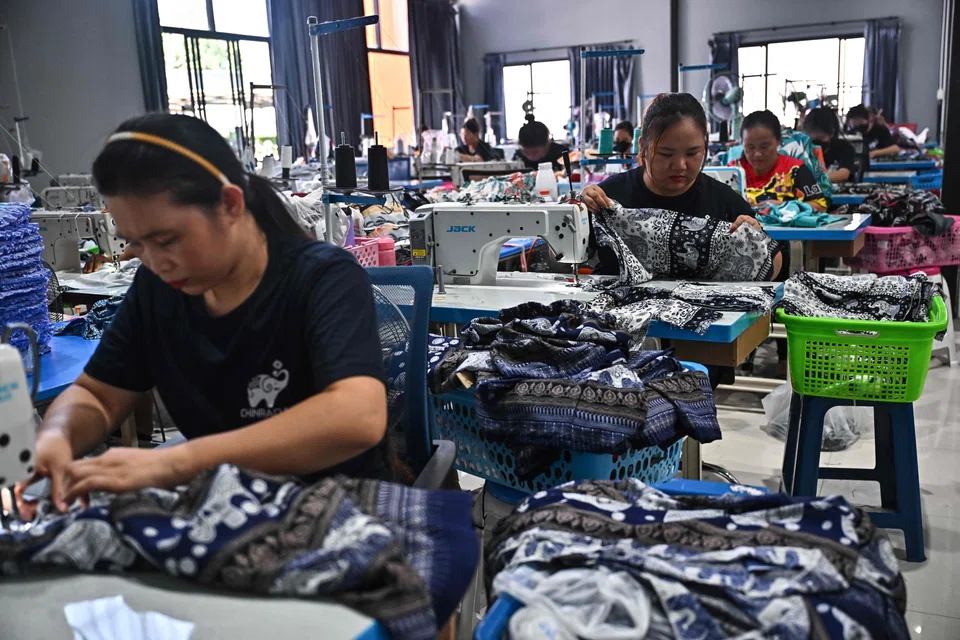
THAILAND’S Prime Minister Srettha Thavisin on Wednesday (Dec 13) defended a cornerstone policy pledge of his populist government, saying increases to the daily minimum wage would “not be a disaster” for business owners.
His comments came after a wage committee of government officials, labour representatives and businesses agreed to a 2.37 per cent hike in the minimum wage to between 330 baht (S$12.39) and 370 baht per day, which the prime minister deemed too low.
“This government does not agree with (that hike),” Srettha told a business forum, adding the government has already reduced electricity and energy prices to support businesses.
“Thais need to have work with dignity.”
Srettha’s ruling Pheu Thai party had campaigned on a key populist plank of raising the minimum wage to 400 baht a day.
A previous government had raised the minimum wage by 5.02 per cent in October 2022.

A larger minimum wage hike will be proposed this month, the labour minister said earlier, without giving further details.
Businesses have expressed concern over rising costs and wages as a factor in holding back competitiveness amid sluggish economic growth. “Businesses will find that wage hike will not be a disaster, but will have a positive effect if done properly,” Srettha said.
The Federation of Thai Industries has warned businesses would have to shoulder the costs of a higher minimum wage alongside higher borrowing costs, which could make Thai companies less competitive.
South-east Asia’s second-largest economy grew much lower-than expected at 1.5 per cent in the July-September quarter from a year earlier, the slowest pace this year, on weak exports and government spending. REUTERS
Decoding Asia newsletter: your guide to navigating Asia in a new global order. Sign up here to get Decoding Asia newsletter. Delivered to your inbox. Free.
Share with us your feedback on BT's products and services