

Thailand plans new minimum wage hike in March, keeps inflation target next year
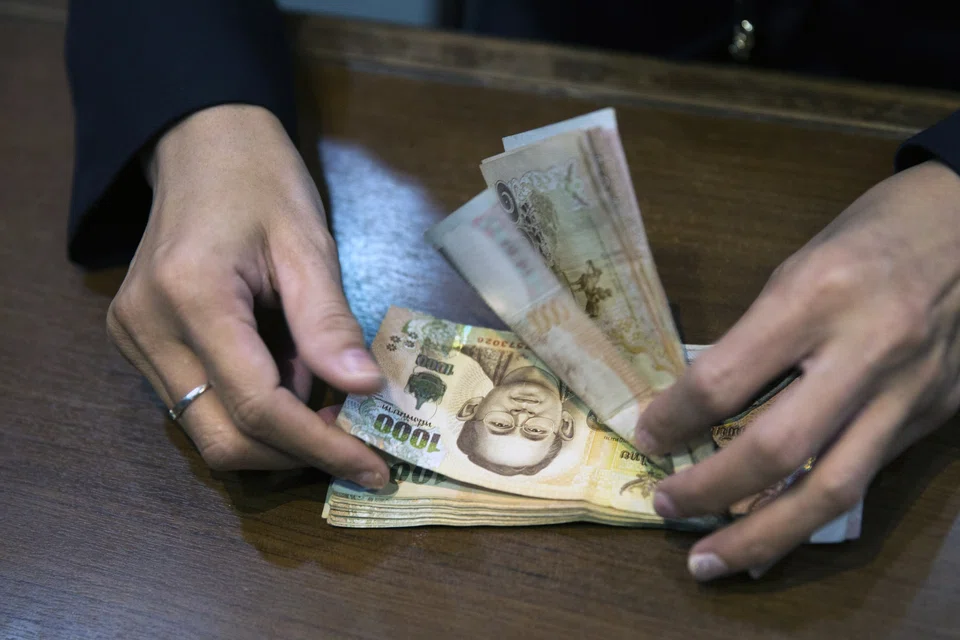
THAILAND will increase its minimum wage in January, the government said on Tuesday (Dec 26), confirming a previous deal while planning to raise it further in March.
A wage committee, comprising government, employers and employee representatives, had previously agreed to increase the daily minimum wage by 2.37 per cent, effective in January, but Prime Minister Srettha Thavisin deemed the hike too low.
Srettha said the committee would meet in January to seek a further wage hike to be announced in March. “There is no need to raise wages once a year,” he told reporters.
Srettha’s ruling Pheu Thai party campaigned on a populist platform with a key plank of raising the daily minimum wage to 400 baht (S$15.31), despite concerns over competitiveness.
“Another investigation covering local wage rates and professional groups will conclude in March… (to determine) areas and groups that can increase wages,” Labour Minister Phipat Ratchakitprakarn told reporters.
The current minimum wage is 328 to 354 baht, and varies across different parts of the country. The committee agreed to raise the pay threshold range to between 330 and 370 baht.
Companies have warned that increasing wages at a time when borrowing costs were increasing and South-east Asia’s second-largest economy was lagging behind its regional peers could make industries less competitive.
Separately, Thailand’s Cabinet on Tuesday approved the central bank’s headline inflation target range of 1 to 3 per cent for 2024, unchanged from this year.
The announcement came after Thailand’s headline inflation rate came in at minus 0.44 per cent in November, the lowest in nearly three years.

Deflationary pressures come from government policies that reduced energy prices and falling meat prices.
The inflation target, which guides monetary policy, is reviewed each year and the range of 1 to 3 per cent is supportive of economic growth, finance ministry spokesman Pornchai Theeravet, who also heads the fiscal policy office, said in a statement.
The Cabinet also approved a 3.48 trillion baht draft budget Bill for the 2024 fiscal year, which will go to parliament next week.
The government approved reduced property fees for another year, with some transfer fees cut to 1 per cent, from 2 per cent previously, and some mortgage registration fees to 0.01 per cent from 1 per cent, Pornchai told reporters.
The reduction will cost the government five billion baht in lost revenue, but will boost growth by a further 0.5 percentage points, he said.
Decoding Asia newsletter: your guide to navigating Asia in a new global order. Sign up here to get Decoding Asia newsletter. Delivered to your inbox. Free.
Share with us your feedback on BT's products and services
TRENDING NOW

Indonesia begins cutting natural gas exports to Singapore from Oct 24: reports

Singapore’s central gas buyer affirms Indonesia’s role as ‘important partner’ amid export review warning

KKR founders among investors buying 42% of Peter Lim’s Valencia; club valued at US$1.4 billion

NEA issues notices to 10 Singapore-based companies, including Wilmar and APP, over haze

