

Too-calm investors raise risk of US default calamity, says Moody’s Analytics chief economist
 Add BT as a preferred source
DeeperDive is a beta AI feature. Refer to full articles for the facts.
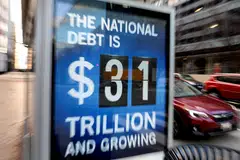
MARK Zandi, the Moody’s Analytics chief economist, warned that investors are “too sanguine” about a looming political fight over the US debt limit – and that itself raises the danger of a devastating default.
Overconfidence that politicians will come to agreement in time to avert a default is likely to delay market gyrations ahead of a debt-limit deadline, and that may send “the wrong signals to lawmakers who are taking their cues from investors”, Zandi wrote in a note on Monday (Jan 23).
The ultimate consequences could drive down stock prices as much as a third and throw up to six million Americans out of work, he said.
Zandi, whose fiscal and economic analysis has been regularly cited by the Biden administration, said his best estimate for when the Treasury will run out of financing options is a window from August to “no later than early October”.
Without clear signs of peril from financial markets, members of Congress “may believe they have nothing to worry about and fail to resolve the debt limit in time”, Zandi wrote.
Zandi said that would be “an egregious error” and even if Congress acted quickly to let the Treasury resume paying federal obligations, “it would be too late for the already-fragile economy, and a recession would ensue”.
Navigate Asia in
a new global order
Get the insights delivered to your inbox.
If an impasse over the debt limit dragged on “even a few weeks” after a payments default, it would do damage comparable to the 2008 global financial crisis, Zandi said.
In such a scenario, he forecast US gross domestic product would decline by 4 per cent, nearly six million jobs would be lost and stock prices would slide by a third – wiping out US$12 trillion in household wealth at the worst of the sell-off. The unemployment rate would rise to more than 7 per cent, he added. BLOOMBERG
Decoding Asia newsletter: your guide to navigating Asia in a new global order. Sign up here to get Decoding Asia newsletter. Delivered to your inbox. Free.
Share with us your feedback on BT's products and services
TRENDING NOW

From 1MDB to ‘corporate mafia’: Is Malaysia facing a new governance test?
Higher costs, lower returns: Why are Singaporeans still betting on real estate?
South-east Asian markets account for 8.8% of global capital inflows from 2021 to 2024: report

Richard Eu on how core values, customers keep Singapore’s TCM chain Eu Yan Sang relevant

