

Treasury cuts quarterly debt sale, may do so again even with Fed's quantitative tightening
 Add BT as a preferred source
Webservice User
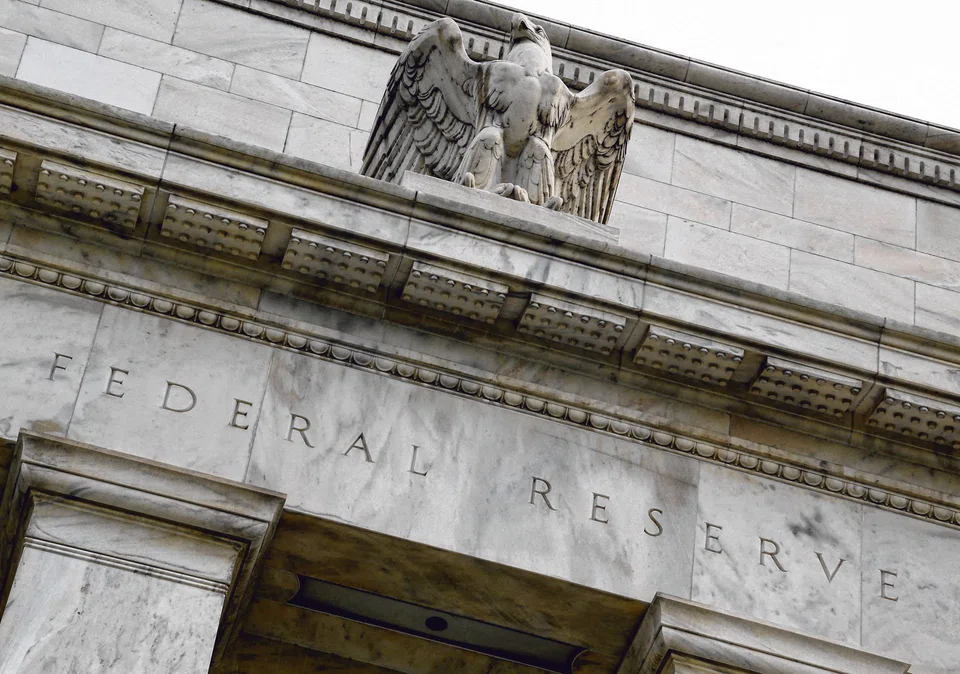
THE US Treasury trimmed its quarterly sale of longer-term debt for a third straight time, and unexpectedly advised that it may make further reductions, citing "strong" federal tax revenues.
Dealers had widely expected the reduction to next week’s sale of notes and bonds, but viewed it as likely to be the last cutback ahead of the Federal Reserve's move to shrink its US$5.8 trillion stockpile of Treasuries. The Fed is forecast to unveil its plan for so-called quantitative tightening, or QT, later Wednesday (May 4), and that process was seen forcing the Treasury to have to sell more debt to the public.
The Treasury Department said in a statement Wednesday that it will sell US$103 billion of long-term securities at auctions next week - down US$7 billion from February. This marks the longest string of quarterly cuts since a 2014-2015 cycle. In a surprise for some dealers, it is also trimming sales of two-year, three-year and five-year auctions in coming months.
"The issuance plans announced today leave Treasury well positioned" with regard to necessary borrowing, the department said in its statement. However, "additional reductions in future quarters may be necessary depending on future developments in projected borrowing needs".
The Treasury has been whittling down auction sizes from the record levels that were needed to fund the surge in government spending on pandemic-relief measures. The economic recovery has also contributed to a jump in federal tax revenues.
Improvement in the Treasury’s financing position has been sufficient to offset the increased needs likely to come as the Fed rolls Treasuries off its balance sheet, Treasury officials said Wednesday. They noted that dealers, in their forecasts presented to Treasury before the refunding, did not have the details on the outsize tax revenue inflows over the past weeks, they said.
And while the Treasury schedule laid out Wednesday did not explicitly factor in the Fed's QT, the outlook for how the run-off would affect future financing needs was taking into account overall, the officials said.
Treasury yields initially edged lower after the refunding announcement. Ten-year yields were little changed as of 8:53 a.m. at 2.97 per cent.
Debt management officials said that issuance of nominal coupon-bearing securities - those that pay interest - across an array of maturities will fall by a total of US$69 billion during the quarter through July versus the previous three months.

The Treasury also announced that it is "exploring the possibility of additional public transparency" in the trading of Treasury securities, amid concerns about occasions when low liquidity has made for volatile moves. In coming months, the department will put out a public call for specific steps that could be taken to boost transparency into trading in the world’s biggest bond market, the Treasury said.
The Treasury is in consultation with the Financial Industry Regulatory Authority to see how trade reporting can be enhanced, Treasury officials said.
As expected by dealers, the Treasury also announced it will keep boosting sales of inflation-linked debt. This is part of a move to stabilise the share of TIPS, as they are known, as a percent of total marketable debt outstanding.
"Given Treasury's desire to stabilise the share of TIPS as a percent of total marketable debt outstanding and continued robust demand, Treasury will continue to monitor TIPS market conditions and consider whether subsequent modest increases would be appropriate," the department said.
The deepest cutbacks will be for 7-year notes and 20-year bonds.
The Treasury also detailed cuts to nominal debt of other maturities over coming months as follows:
With regard to plans for issuance of Treasury bills, the department said it is establishing a new benchmark, the 4-month bill, on the back of "strong" demand for 17-week cash management bills. The new 4-month benchmark "will further support demand", the department said.
Bills have been increasingly in short supply, especially as higher-than-expected tax receipts over recent weeks have caused Treasury's cash balance to surge to nearly US$1 trillion.
The Treasury Borrowing Advisory Committee, or TBAC - a group comprising dealers, investors and other stakeholders - has several times in the past advised that bills should amount to about 15 per cent to 20% per cent of the total debt pile. That has many dealers predicting the Treasury will initially adjust issuance to make up for the lost Fed funding by hoisting bills sales.
Minutes of the Treasury’s meeting with TBAC, also released Wednesday, showed that "primary dealers thought Treasury was well positioned to meet additional borrowing needs due to SOMA redemptions in the near term, but may need to consider increases to coupon issuance in future fiscal years depending on the total size of SOMA redemptions".
SOMA refers to the Fed’s holdings of Treasuries. The Treasury’s fiscal year begins Oct 1. The comment underscores widespread expectations that the federal government will need over time to increase debt issuance to make up for the Fed's shrinking holdings of Treasuries.
The Treasury also said it is making some changes to the rules that govern its auctions, by increasing the maximum amounts that can go to so-called non-competitive bids. Those are submitted directly to Treasury and not through a dealer.
In the meantime, no changes were made to issuance of floating-rate notes.
Treasury officials noted that the gradual changes they have been making to auction sizes give US debt managers ample ability to adjust things ahead as the Fed’s plans and clarity on government financings unfolds.
BLOOMBERG
Decoding Asia newsletter: your guide to navigating Asia in a new global order. Sign up here to get Decoding Asia newsletter. Delivered to your inbox. Free.
Share with us your feedback on BT's products and services
TRENDING NOW

MedPark’s assistant CEO runs a hospital where patients, physicians precede profits

E-commerce is killing ‘real’ commerce, says China’s beverage king Zhong Shanshan

Laos-China Railway picks up steam, but S-E Asian country struggles to capture gains
NDR 2026: Singapore to create new Western island to support 'new generation of industries'

