Trump claims Russia-Ukraine energy truce; Kyiv says not yet
Markets largely shrugged off Trump’s claim

PRESIDENT Donald Trump and Ukraine offered differing accounts of a supposed agreement with Russia to stop attacks on energy infrastructure, as strikes on oil refineries help drive diesel prices to record levels.
Trump on Monday (Sep 14) blamed the strikes, rather than the war in Iran, for the surge in diesel prices and posted on social media that Moscow and Kyiv both agreed to stop them.
Ukrainian President Volodymyr Zelensky later said no deal had been finalised, though he acknowledged a “strong US proposal for a mutual halt to strikes on critical infrastructure.”
“If this can become the first de-escalatory step — a step toward ending Russian strikes on our critical infrastructure and our strikes in response — then Ukraine is ready to support de-escalation,” he posted on social media.
Zelenskyy added, however, that there’s been no genuine desire from Russia to move toward ending the conflict.
Moscow has not agreed to anything despite Trump’s assertion of a mutual understanding between the two countries to avoid targeting energy infrastructure, according to a Ukrainian official. The Kremlin did not immediately respond to a request for comment.
Markets largely shrugged off Trump’s claim. Diesel futures pared gains after his post in a choppy session but are still up about 1 per cent on the day, and US retail prices are still at record highs.
“Hearing it from Ukraine and Russia would have a lot more certainty for me than from Trump,” said Rachel Ziemba, adjunct senior fellow at the Centre for a New American Security, a Washington-based think tank.
“The thought here is that a stop in attacking refineries would give Russia time to repair and reduce risk of further outages,” she added. “But if Gulf channels are still blocked it won’t help much.”
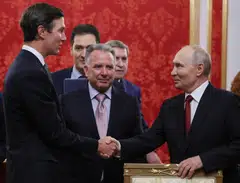
Trump has struggled to bring an end to the war in Ukraine despite promising to stop the conflict on day one of his second term.
Past efforts to broker ceasefires covering energy targets have not yielded lasting results. Last month, Zelenskyy said that Ukraine offered Russia a truce on attacks against ships carrying agricultural commodities through the Black Sea. But Moscow rejected the deal because it wanted guarantees against strikes on its energy infrastructure.
In early May, Trump announced Ukraine and Russia agreed to a three-day ceasefire for the annual Victory Day celebration, but attacks immediately resumed when it expired.
Both Russia and Ukraine have used strikes on energy infrastructure as a powerful weapon of war. Moscow has targeted Ukraine’s power sector and electricity grid, with blackout-causing attacks even as winter temperatures plummet.
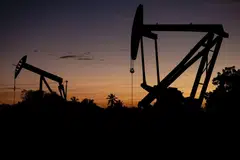
Kyiv has hit back, aiming strikes on Russian oil refineries that have led to widespread fuel shortages in many parts of the country.
Trump said on Sunday he had warned Zelensky to stop targeting Russian oil refineries.
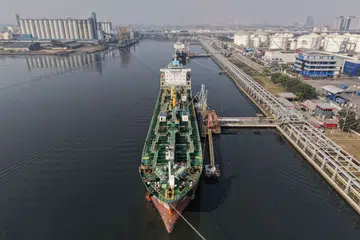
Average retail diesel prices rose above US$6 per gallon in the US for the first time ever last week. Russia has banned diesel exports after damage to oil refineries, exacerbating a supply crunch stoked by the war in Iran.
Russia is the world’s second-largest exporter of diesel, according to energy analytics firm Vortexa, though the Middle East is an even bigger exporter of the fuel.
Hamad Hussain, economist at Capital Economics, said the loss of refining capacity in the Middle East “means that refined product prices will remain high.”
The potential economic ramifications are enormous. While most American motorists focus closely on the cost of unleaded petrol, which has also risen 54 per cent from a low in January, diesel is an essential power source for long-haul trucks, freight trains and farm equipment.
For Trump, the issue poses a political peril ahead of the November midterm elections that will determine control of the House and Senate.
Elevated fuel prices are cutting revenue and forcing business owners to charge more for goods, adding to cost-of-living concerns that are already weighing on the Republican Party.
The president’s announcement on Russia and Ukraine was part of a series of social media posts on Monday where he struck a defensive tone on different issues, including affordability. In one of the posts, Trump said, “prices are coming down sharply” and that oil “will drop like a rock as soon as the Military Conflict with Iran is over.” BLOOMBERG
Decoding Asia newsletter: your guide to navigating Asia in a new global order. Sign up here to get Decoding Asia newsletter. Delivered to your inbox. Free.
Share with us your feedback on BT's products and services