

Trump doubles down on closing tax loophole for cheap imports
The exemption was shut down in 2025, in part, on the same legal grounds as the tariffs that the Supreme Court has invalidated
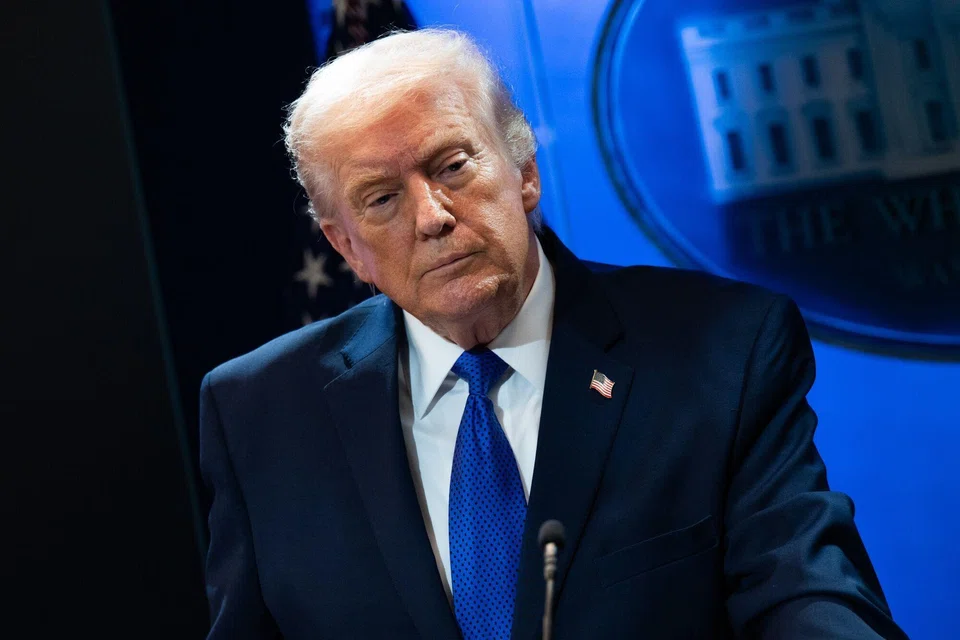
[TAIPEI] Hours after the US Supreme Court struck down a significant portion of President Donald Trump’s tariffs on Friday (Feb 20), the White House announced that another key pillar of his trade agenda will remain in place: the end of a policy that had allowed billions of dollars of low-value imports to enter the US tax-free.
That policy, known as the de minimis exemption, had let US importers bring in goods valued at less than US$800 without paying taxes or completing detailed customs paperwork.
The loophole allowed millions of packages to come straight from Chinese factories to American homes duty-free. Trump has said the exemption also enabled deadly synthetic opioids, such as fentanyl, and their ingredients to flow into the US.
The exemption was used mostly by companies operating in China, just as American shoppers were getting hooked on buying inexpensive items online, and the Chinese government was pushing its manufacturers to find buyers overseas.
First on platforms including eBay and Amazon, and then on apps including Shein and Temu, exporters funnelled the products of China’s vast manufacturing supply chain straight to the US. Many American businesses also relied on the exemption for goods sold on sites including Etsy and Shopify.
The exemption, intended to spare customs officials from spending too much time and money processing goods of relatively little value, existed for almost a century. The threshold has changed repeatedly over the years and was raised from US$200 to US$800 in 2016.
Trump ended the exemption for products from China in May 2025 and for items from the rest of the world in July.
Although it did not address de minimis directly, the Supreme Court’s decision appeared to invalidate one of the legal grounds for Trump’s decision to end the exemption, potentially opening the door for such inexpensive tax-free shipments to resume.
But in an executive order hours later, Trump said the flow of such goods remained a national emergency, and an independent issue from the basis for other tariff actions.
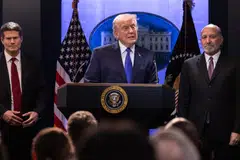


The loophole would remain closed, the order said.
The order claimed the same legal authorities as previous executive orders on the de minimis issue. The order did not directly address the court’s ruling. NYTIMES
Decoding Asia newsletter: your guide to navigating Asia in a new global order. Sign up here to get Decoding Asia newsletter. Delivered to your inbox. Free.
Share with us your feedback on BT's products and services
TRENDING NOW

Once staunchly pro-China, Malaysian Chinese businesses are now distancing themselves from Beijing
AI can become superior to humans in certain aspects: TikTok’s Chew Shou Zi

DBS, OCBC, UOB face rate hike reality check

‘The market has spoken’: DBS CEO Tan Su Shan says market is repricing AI financing risks

