

Trump extends Jones Act waiver for 90 days, narrows scope
The Jones Act requires cargo moving between US ports to be carried on ships built in the US, owned by US companies and staffed by Americans
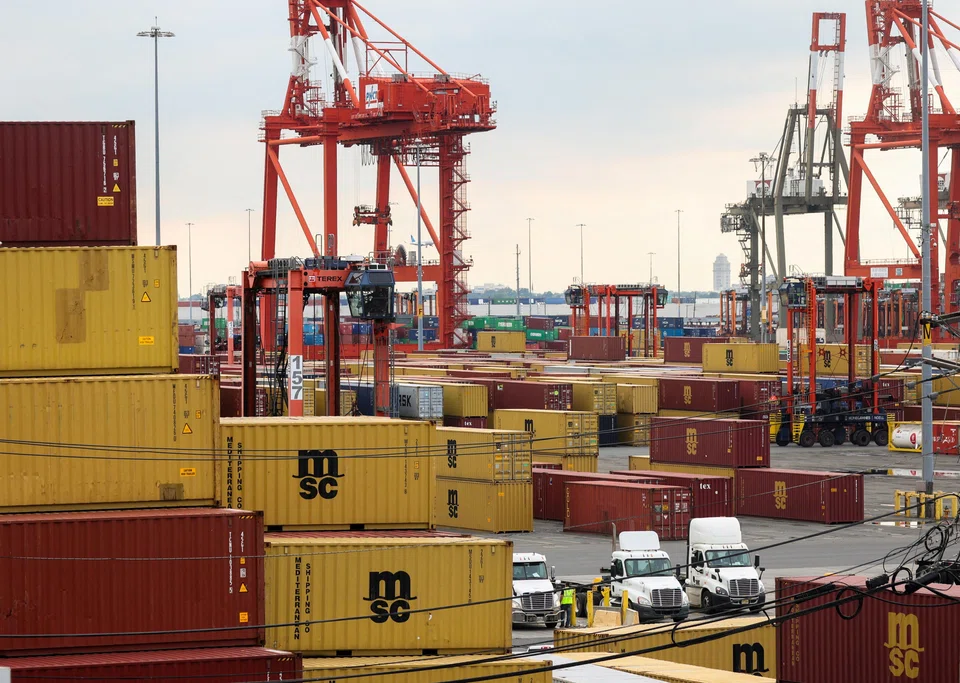
PRESIDENT Donald Trump has extended for 90 days a waiver allowing foreign-flagged ships to transport oil and other commodities between US ports, but imposed new limits after shipbuilders and their allies in Congress argued the policy was undermining the domestic maritime industry, the White House said.
The extension, finalised on Monday, comes as the war with Iran disrupts global crude flows and pushes up fuel costs, increasing pressure on the administration to find ways to ease transportation bottlenecks and keep petrol and other energy prices from rising further.
The 90-day extension ensures the US military and key industries maintain uninterrupted access to critical resources, White House spokeswoman Taylor Rogers said on Monday (Aug 10).
“Data shows the waiver has driven a significant increase in domestic deliveries of essential products such as petrol, diesel and jet fuel,” Rogers said in a post on the social media platform X.
Under the new terms, the administration has narrowed the scope of the relief, requiring individual voyages to undergo case-by-case review rather than allowing foreign ships to receive blanket exemptions from the Jones Act, a White House official confirmed.
The Jones Act requires cargo moving between US ports to be carried on ships built in the US, owned by US companies and crewed by American workers, and the waiver aims to lower gas prices by increasing shipping flexibility and reducing transport bottlenecks.
The waiver was set to expire on Aug 16 without the extension. It is the longest suspension of the more than a century-old law in its history.
Targeted Jones Act waivers provide critical flexibility to move American energy efficiently between US ports and deliver fuels to consumers at a time of ongoing global market volatility, industry trade group American Petroleum Institute said.
While the Jones Act waiver increases the availability of tankers to move fuel, it would likely only reduce petrol prices by pennies per gallon, some analysts and industry experts have said.


The American Maritime Partnership, which is in favour of the Jones Act, said it was disappointed that the waiver had been extended but that requiring a case-by-case review is an improvement over the previous blanket waiver.
The group urged the Trump administration to conduct a rigorous review of the national defence justification for each waiver request and assess the availability of US vessels before allowing a foreign vessel to move cargo between US ports.
About 208 exemptions to the Jones Act were granted in about 4-1/2 months through Aug 3, US government data showed.
Conservative think tank Cato Institute, which has long called for the law to be repealed, said Congress should make changes to the Jones Act, calling temporary, product-specific waivers a band-aid. REUTERS
Decoding Asia newsletter: your guide to navigating Asia in a new global order. Sign up here to get Decoding Asia newsletter. Delivered to your inbox. Free.
Share with us your feedback on BT's products and services
TRENDING NOW

Why US$100 oil, 5% US yields affect Singdollar, ringgit differently vs other Asean currencies
Asia needs new energy security architecture

Despite the de-dollarisation debate, demand for dollar liquidity in Asia is growing

Anthropic to open Singapore office in October, sees it as a ‘standout market’ for Claude

