

Trump to meet tech giants on energy pledge ahead of midterms
Google, Microsoft and Meta are among the companies set to sign
 Add BT as a preferred source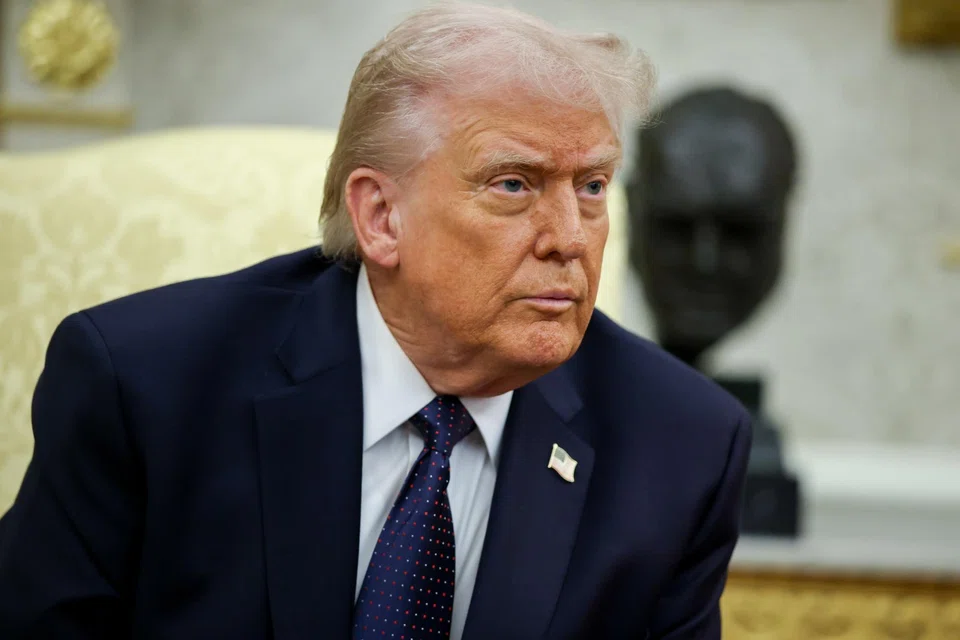
DeeperDive is a beta AI feature. Refer to full articles for the facts.
[WASHINGTON] US President Donald Trump is set to meet on Wednesday (Mar 4) with leaders of major tech companies, including Google, Meta and OpenAI, to formalise a pledge aimed at protecting American consumers from rising electricity costs tied to the rapid expansion of energy-intensive data centres.
The White House has said the so-called “ratepayer protection pledge”, announced by Trump in his State of the Union address, would see the companies commit to cost-saving measures.
They are designed to ensure the boom in artificial intelligence (AI) infrastructure does not translate into higher utility bills for households and small businesses.
“President Trump’s ratepayer protection pledge will deliver more affordable, reliable and secure energy for the American people and help stop the rising electricity prices that started during the previous administration,” Energy Secretary Chris Wright said.
Google, Microsoft, Meta, Oracle, xAI, OpenAI and Amazon will sign the pledge, a White House official said.
Voters concerned about energy bills
The initiative is being launched ahead of the November midterm elections, with voters increasingly concerned about energy affordability and the increased strain on the US’ power grids from data centres.
Navigate Asia in
a new global order
Get the insights delivered to your inbox.
The pledges are expected to include a commitment by tech companies to bring or buy electricity supplies for their data centres, either from new power plants or existing ones with expanded output capacity, two sources familiar with the plans said.
They are also likely to include commitments from the Big Tech companies to pay for upgrades to power-delivery systems and enter into special electricity-rate agreements with utilities, the sources said.
Companies expected at the White House include some of the biggest names in the tech sector, which are investing billions in new AI computing capacity that draws vast amounts of electricity.
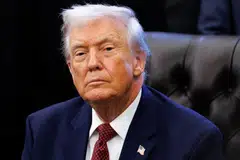


Trump has urged those companies to build or secure dedicated power capacity to meet demand, rather than relying solely on regional grids.
This is part of a broader effort to balance tech competitiveness with political and economic concerns about energy costs.
Solar, wind energy faster to get generation online
It is not clear, however, that the effort will get the new supplies of electricity built quickly enough to ease the pressure on grids, said Jon Gordon, who is a director at Advanced Energy United, a clean-energy trade group that includes some data centres.
That is in part due to Trump’s policy focus on increasing natural gas and other fossil fuel-fired power for data centres, instead of quicker-build sources such as solar and wind, he added.
“The real problem is the inability to get generation online fast enough to meet the data centre demand,” Gordon said. “Hyperscalers paying for the generation doesn’t get it online any faster.”
Advocates and critics alike will be watching closely to see whether the pledge produces concrete commitments – or remains largely symbolic.
Meanwhile, lawmakers and consumer groups have called for stronger protections to prevent utility bill increases tied to data centre build-outs. REUTERS
Decoding Asia newsletter: your guide to navigating Asia in a new global order. Sign up here to get Decoding Asia newsletter. Delivered to your inbox. Free.
Share with us your feedback on BT's products and services
TRENDING NOW
‘Boring’ is the new black: The stars are aligning for a Singapore stock market revival
Near sell-out launches in March boost developer sales to 1,300 units after four slow months

China pips the US if Asean is forced to choose, but analysts warn against reading it like a sports result
Genting Singapore’s Lim Kok Thay receives S$7.5 million pay package for FY2025

