

Trump praises Federal Reserve's Powell for 'really good job'
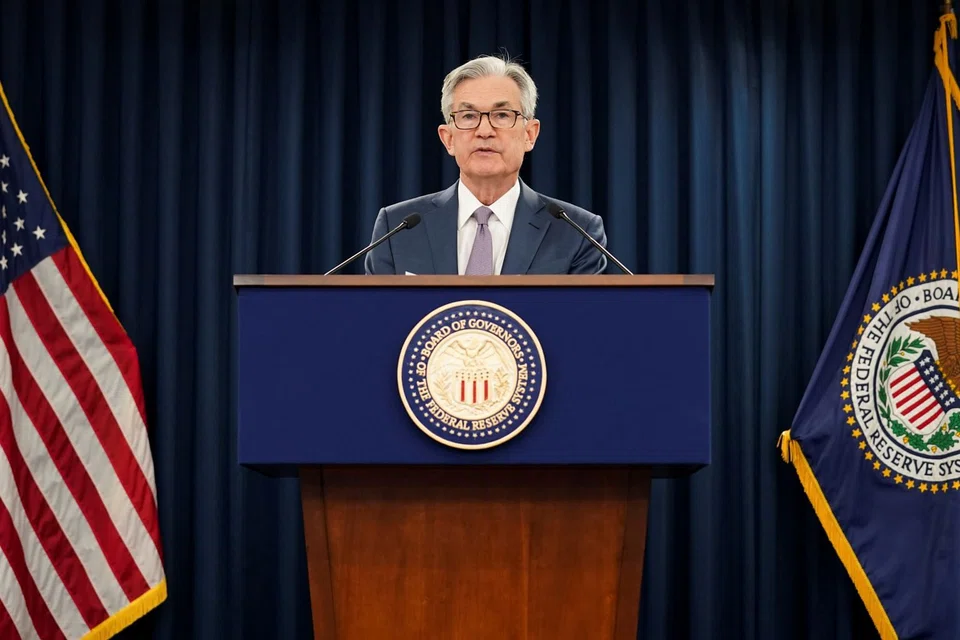
[WASHINGTON] US President Donald Trump praised Federal Reserve Chairman Jerome Powell on Monday, ending his criticism of the central bank chief while also calling the strong dollar "good," an unusual comment.
"I called up Jerome Powell and I said, 'Jerome, you've done a really good job,'" Mr Trump said during a daily White House briefing on the coronavirus pandemic, which has hammered the American economy and sent lawmakers scrambling to agree on a trillion-dollar stimulus package.
The Fed last week slashed its key lending rate to zero in its second emergency meeting since the novel coronavirus outbreak that originated in China began endangering the American economy.
The cut was among a host of measures the central bank has taken in recent weeks to boost liquidity, and earlier on Monday it announced it would buy unlimited amounts of government debt - a move akin to printing money.
"He's not finished," Mr Trump said of Mr Powell, whom he has in the past criticised and urged to slash interest rates, saying they were hampering the US economy's growth. "He's got other arrows in the quiver."
The president also praised the strong US dollar but acknowledged it makes "trade much tougher" - an unusual statement from an American president, who typically don't comment on the currency's value.
"Our dollars have been very strong, especially against other currencies, very, very strong, which again makes that trading more difficult," Mr Trump said. "But there is something nice about having a strong dollar."
AFP
Decoding Asia newsletter: your guide to navigating Asia in a new global order. Sign up here to get Decoding Asia newsletter. Delivered to your inbox. Free.
Share with us your feedback on BT's products and services
TRENDING NOW

DBS, OCBC, UOB rout lops billions off STI as inflation, rate concerns spook investors

Grab CEO’s wife Chloe Tong on life with Anthony Tan and finding her purpose

OCBC sheds S$8 billion in value as shares close nearly 6% down; analysts cautious on banks

Deal between tycoon friends sparks scrutiny of Philippine power sector

