Trump rues state of Iran talks, says prefers not to strike
Tehran relayed a new proposal to Washington via Pakistan, which mediated a first round of directed negotiations last month
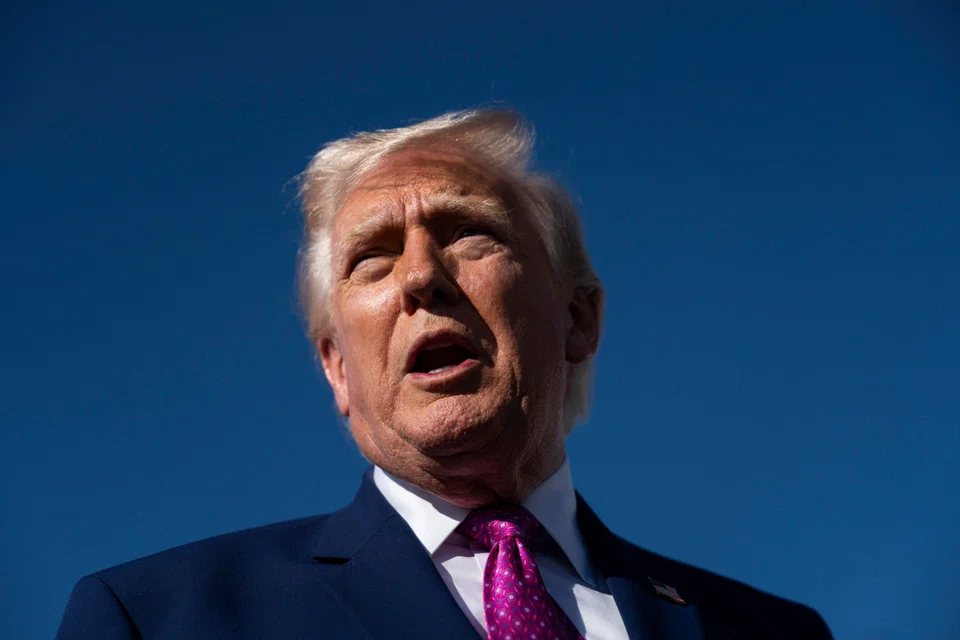
[ISTANBUL] US President Donald Trump expressed displeasure with the current state of negotiations with Iran but stopped short of threatening fresh military action in the nine-week conflict that’s triggered a global energy crisis.
“They want to make a deal but I’m not satisfied with it,” Trump told reporters at the White House Friday (May 1). “We just had a conversation with Iran. Let’s see what happens. But I would say that I am not happy.”
Trump didn’t elaborate on the Iranian participants in the latest talks, or when they occurred. He added that “they’ve made strides, but I’m not sure if they ever get there”.
Tehran relayed a new proposal to Washington via Pakistan, which mediated a first round of direct negotiations last month, Iran’s state-run Islamic Republic News Agency (IRNA) said on Friday. It wasn’t immediately clear whether Trump’s remarks referred to that proposal.
The White House sent a letter to top lawmakers arguing that the current ceasefire pauses the 60-day limit that would otherwise, under the War Powers Act, require congressional authorisation to continue the war.
In the new proposal, Tehran offers to discuss its conditions for opening the strait while still demanding the US pledges to stop its attacks and unwind its blockade, the Wall Street Journal reported, citing people familiar.
Asked about the administration’s options, Trump mused, “Do we want to just blast the hell out of them and finish them forever or do we want to try and make a deal?” He added that “on a human basis, I prefer not” to order more strikes.
Trump touted what he called an “incredible” blockade of the Strait of Hormuz and said the US wasn’t ready to end the war. “The strait is totally shut down, it’s flawless. It’s 100 per cent shut down.”
Oil prices eased on Friday after touching fresh wartime highs this week. Brent crude settled near US$108 a barrel while US oil edged lower by about 3 per cent to end the session close to US$102. Traders unwound positions and activity is thin as they remain wary of being caught on the wrong side of weekend developments.
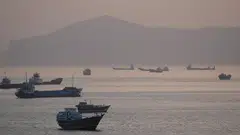
The fate of the Strait of Hormuz – through which about a fifth of the world’s oil and liquefied natural gas flowed before the war – lies at the heart of the current stalemate. Both Iran and the US have signalled they are waiting for the other to move first before they agree to ease restrictions on traffic.
IRNA didn’t elaborate on what the Iranian proposal entailed on key issues such as Hormuz or Iran’s nuclear activities.
Trump has said the blockade of Iranian ports is depriving the Islamic Republic of much-needed oil revenue, claiming the pressure would force Tehran back to the negotiating table. The US issued a warning about the sanctions risk of paying tolls to Iran for safe passage through the strait.
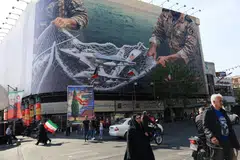
“Good luck blockading a country with those borders,” Iran’s parliament speaker Mohammad Bagher Ghalibaf said on X, referring to his country’s large size. He and other Iranian officials say the blockade, which they insist must be lifted for the sides to go to new talks and for Hormuz to be reopened, will further push up oil prices.
Trump emphasised, as he previously has, that the surge in oil prices is temporary and cast it as beneficial to US exports.
“When this war ends, the gasoline and oil and everything is going to come tumbling down,” he said. “We have more oil production right now than any time in history. And if you take a look at the ships, they’re all coming up to Texas, Louisiana, Alaska.”
On Thursday, Iran’s new supreme leader, Mojtaba Khamenei, cast doubt on the likelihood of a deal. He gave a rare statement in which he vowed not to give up the country’s nuclear or missile technologies. He also signalled Tehran would keep control of the Hormuz strait.
“They’re having a tremendous problem getting along with each other,” Trump said Friday. There are “two to three groups, maybe four, and it’s a very disjointed leadership”.
Here’s more on the war:
- Iran activated air defences around capital Tehran late on Thursday to counter reconnaissance drones. It’s unclear what led to the activation.
- US Defense Secretary Pete Hegseth sparred with lawmakers on Thursday. Democrats say the Pentagon is underestimating the cost of the conflict, with one saying the US$25 billion figure it gave this week was “probably less than half, maybe less than a quarter, of the total cost of war”.
- Trump invited Iraq’s prime minister nominee to visit Washington after he forms a new government, as the US seeks to limit Iran’s influence on the Arab country.
- Signs of strain on the Iranian economy have emerged in recent days, with the currency weakening to a fresh low.
- The US is pitching allies on a joint naval force to secure the Strait of Hormuz. New Zealand said it had received the proposal but would only support a US-led coalition if a sustainable ceasefire was in place. BLOOMBERG
Decoding Asia newsletter: your guide to navigating Asia in a new global order. Sign up here to get Decoding Asia newsletter. Delivered to your inbox. Free.
Share with us your feedback on BT's products and services