Trump says he is raising tariffs on certain South Korean imports to 25%
Autos, lumber and pharmaceuticals will be affected
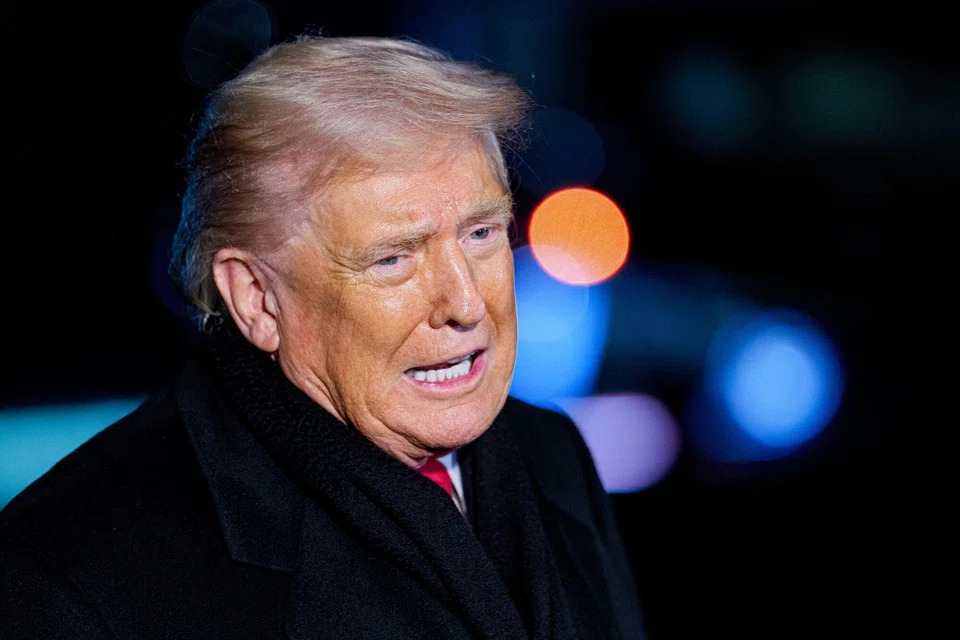
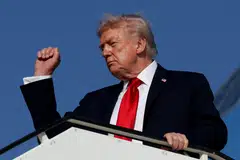
[WASHINGTON] President Donald Trump said on Monday he was increasing tariffs on South Korean imports into the US related to autos, lumber and pharmaceuticals to 25 per cent, while accusing the ally’s legislature of “not living up” to its trade deal with Washington.
“South Korea’s Legislature is not living up to its Deal with the United States,” Trump wrote on social media.
“Because the Korean Legislature hasn’t enacted our Historic Trade Agreement, which is their prerogative, I am hereby increasing South Korean TARIFFS on Autos, Lumber, Pharma, and all other Reciprocal TARIFFS, from 15% to 25%.”
It was not immediately clear when the tariff hike would take effect.
South Korea’s presidential office and the US Trade Representative’s office did not respond immediately to requests for comment. Trump has previously threatened other tariff hikes and in some cases delayed them or not followed through.
South Korea had been working to implement a deal announced with Washington last year that lowered US tariffs against many of its exports to 15 per cent.
But earlier this month, South Korea’s finance minister said the country’s planned investment of US$350 billion in strategic US sectors under the trade deal was unlikely to kick off in the first half of 2026, citing the weak won currency.
The prospect of large currency outflows has caused headaches for authorities in Seoul at a time when the won has slumped to trade at levels unseen since the global financial crisis from 2007 to 2009.
Trump has used the leverage of tariffs throughout his second term in office in his foreign policy. Economists have raised concerns about the approach and the policy also faces a test in an ongoing case at the US Supreme Court.
In the deal reached between the allies last year, Washington and Seoul agreed to set tariffs on US imports of Korean autos and auto parts at 15 per cent, down from 25 per cent, putting them on par with their Japanese competitors.
The two countries said last year that as part of the US$350 billion South Korean investment into US strategic sectors, Seoul would pay US$200 billion in cash in phased instalments that would be capped at US$20 billion a year in an effort to maintain won stability.
Josh Lipsky, chair of international economics at the Atlantic Council, said Trump’s action on South Korea reflected impatience with the pace of Seoul’s enactment of the framework trade agreement.
“It’s just another reminder that the markets were wrong to believe we were going to get into tariff stability in 2026,” Lipsky said. “People say, ‘Oh, but he doesn’t follow through,’ and sometimes that’s true, but sometimes it isn’t. And the volatility alone - there is a price around that.” REUTERS
Decoding Asia newsletter: your guide to navigating Asia in a new global order. Sign up here to get Decoding Asia newsletter. Delivered to your inbox. Free.
Share with us your feedback on BT's products and services