

Trump wants to kill US$52.7 billion semiconductor chips subsidy law
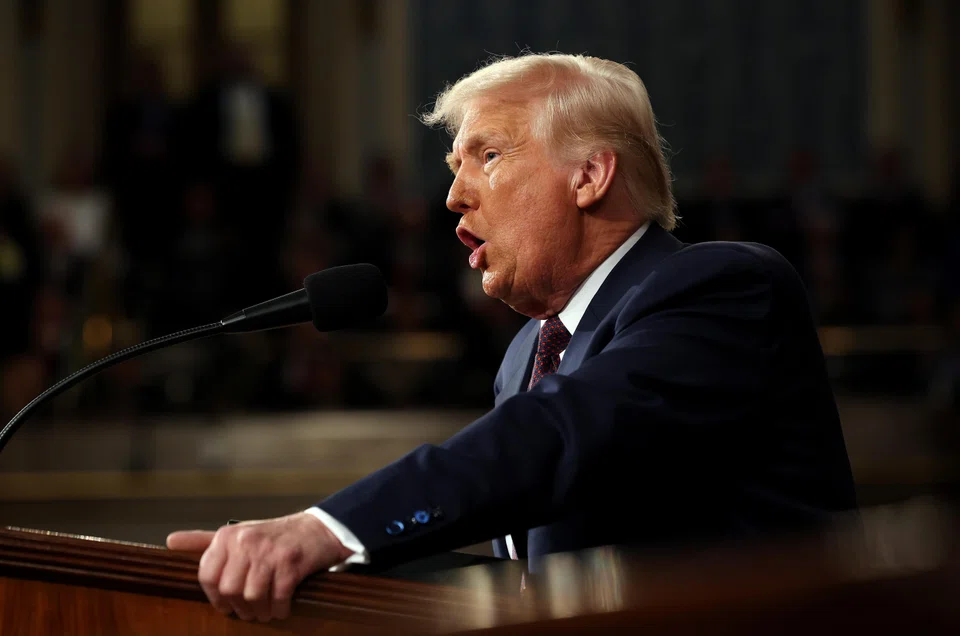
PRESIDENT Donald Trump called for an end to a landmark US$52 billion semiconductor subsidy programme that’s spurred more than US$400 billion in investments from companies like Taiwan Semiconductor Manufacturing and Intel.
The Chips Act is a “horrible, horrible thing,” the president told Congress on Tuesday, to applause in the chamber. He implored US House Speaker Mike Johnson to “get rid” of the law and use whatever was left over to “reduce debt or any other reason you want to.”
The Chips Act, a bipartisan law that President Joe Biden signed in 2022, set aside US$39 billion in grants — plus loans and 25 per cent tax breaks — to revitalise American semiconductor manufacturing after decades of production shifting to Asia. It also includes US$11 billion for chip research and development programmes.
Biden officials divvied up the vast majority of that funding before leaving office, striking binding agreements with major leading-edge chipmakers like TSMC, Intel, Samsung Electronics and Micron Technology — as well as companies that produce older-generation semiconductors, like GlobalFoundries and Texas Instruments. BLOOMBERG
Decoding Asia newsletter: your guide to navigating Asia in a new global order. Sign up here to get Decoding Asia newsletter. Delivered to your inbox. Free.
Share with us your feedback on BT's products and services






