UBS plans to offer crypto trading for some wealthy clients
It will be open to some clients of its private bank in Switzerland, then rolled out in Asia-Pacific and the US
[LONDON] UBS Group plans to make cryptocurrency investing available for some private banking clients, in what could become a significant move into digital assets for one of the world’s largest wealth managers.
The Swiss banking giant, which had some US$4.7 trillion in wealth assets as at Sep 30, is in the process of selecting partners for a crypto offering, sources said.
Discussions have been ongoing for several months and UBS has not made a final decision on how to proceed, added sources, asking not to be named as the deliberations are private.
UBS will initially allow select clients of its private bank in Switzerland to buy and sell Bitcoin and Ether, one source said. The offering may then be rolled out in markets such as the Asia-Pacific region and the US, they added.
Offering access to crypto would mark a meaningful shift for UBS, which has long taken a cautious stance on virtual tokens.
At the same time, Wall Street rivals such as JPMorgan Chase and Morgan Stanley are expanding into digital assets after US President Donald Trump returned to the White House, putting pressure on UBS to follow suit.
UBS’ push deeper into crypto comes partly in response to a growing demand for digital assets from wealthy clients, a source said.
“As part of UBS’ digital asset strategy, we actively monitor developments and explore initiatives that reflect client needs, regulatory developments, market trends and robust risk controls,” a UBS spokesperson said. “We recognise the importance of distributed ledger technology (such as) blockchain, which underpins digital assets.”
Blockchain efforts
Like many other global banks, UBS has until now focused digital-asset efforts on building blockchain-based infrastructure for things such as tokenised funds and payments.

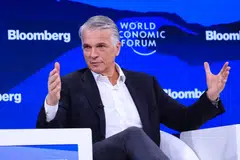

The major lenders have been slower to expand into areas such as crypto trading, in large part because of onerous capital rules under the Basel III framework.
“We are looking for a regulatory framework that will allow us to accommodate that for our clients,” UBS chairman Colm Kelleher said in January 2023, referring to the desire of some customers to invest in digital tokens.
The US has been leading calls to amend the standards. The Basel Committee said in November that it will accelerate a review of certain elements of its rules around the banks’ crypto holdings, potentially setting the stage for new initiatives among lenders.
UBS’ deliberations also highlight the growing institutional involvement in crypto that is reshaping the sector.
The US-based crypto exchange-traded funds (ETFs), led by BlackRock’s iShares Bitcoin Trust, have ballooned to oversee almost US$140 billion in assets since they were first approved two years ago.
Morgan Stanley is partnering with crypto provider ZeroHash to let E*Trade clients trade popular tokens such as Bitcoin, Ether and Solana starting in the first half of this year. JPMorgan is exploring crypto trading for institutional clients, it was reported in December.
The crypto trading business has been lucrative for some companies that have entered it. Robinhood Markets took in US$626 million from crypto trading in 2024, more than triple its haul from equities, data compiled by Bloomberg show.
In November 2023, UBS made trading in crypto-linked ETFs available to wealthy clients in Hong Kong, joining competitors such as HSBC.
Ex-UBS chairman Axel Weber, a former central banker, has long maintained a bearish stance on crypto. In late 2021, shortly after Bitcoin had surged to a fresh record, he said that the concept of anonymous payments “will not survive”. BLOOMBERG
Decoding Asia newsletter: your guide to navigating Asia in a new global order. Sign up here to get Decoding Asia newsletter. Delivered to your inbox. Free.
Share with us your feedback on BT's products and services