UK boosting budget for renewables to record £1.5 billion
This is almost a 50 per cent financial boost for the technology
 Add BT as a preferred source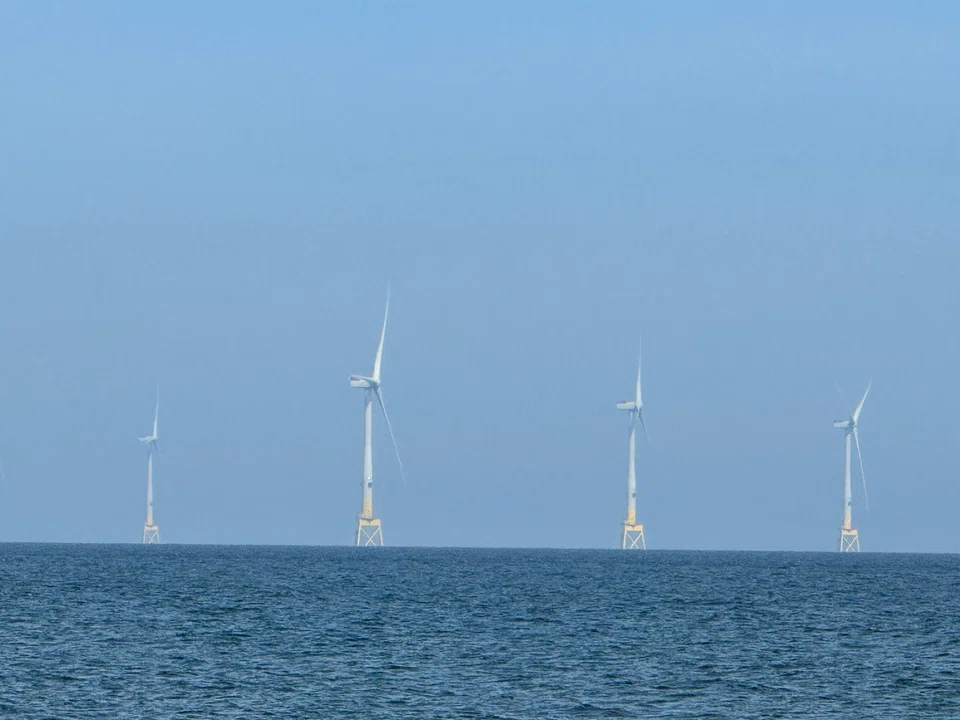
DeeperDive is a beta AI feature. Refer to full articles for the facts.
THE UK is set to increase support for new renewable power generation to a record £1.5 billion (S$2.59 billion) in an upcoming auction, sending a clear signal to an industry that’s key to the government’s green plans.
The almost 50 per cent financial boost for the technology comes as the new administration tries to speed the development of renewable power to help reach its goal of a zero-carbon grid by 2030. The higher budget this year is seen as crucial by the industry to help it get started quickly on projects that can take years to build.
The amount was decided this week by Energy Secretary Ed Miliband, according to a person familiar with the matter, who asked not to be named as the details aren’t public. About £1.1 billion of the total will go to traditional offshore wind farms, a 38 per cent increase from the original record-setting budget allocated by the last government.
The numbers aren’t finalised and could still change. A spokesperson for the Department for Energy Security and Net Zero declined to comment.
Money for the green programme doesn’t come from the central government’s budget, so it shouldn’t complicate Chancellor of the Exchequer Rachel Reeves’s task of repairing the country’s finances. Funding instead comes from charges on energy bills.
It’s not yet clear how much the new measures will cost consumers. The government has vowed that green energy will help prevent the UK from being exposed to wild swings in gas prices, which deepened a cost-of-living crisis after Russia squeezed supplies.
Navigate Asia in
a new global order
Get the insights delivered to your inbox.
But the mechanism allows for wind farms to get a top-up – paid for by consumers – if the market price for power is lower than their contract says. That means that the more electricity prices fall, bill payers will increasingly fill the gap. If prices stay at current levels or increase, then the green power plants will cost little or even pay back money.
The system, known as contracts for difference, guarantee a fixed price to sell power for 15 years. That certainty is critical for attracting investment, especially after rising costs in recent years prompted developers to delay – and sometimes abandon – projects.
Prime Minister Keir Starmer has vowed to quadruple offshore wind capacity to 55 gigawatts by 2030. To even get close to that amount would require an unprecedented pace of construction.
To that end, the new state-backed Great British Energy is partnering with the Crown Estate of King Charles III, owners of the UK’s seabed, to accelerate the building of wind farms.
The industry’s growth has been restrained by soaring costs, with an auction last year failing to draw any bids because the price on offer was too low.
The previous government then lifted that amount and increased the budget for offshore wind to a record £800 million for the auction later this summer. BLOOMBERG
Decoding Asia newsletter: your guide to navigating Asia in a new global order. Sign up here to get Decoding Asia newsletter. Delivered to your inbox. Free.
Share with us your feedback on BT's products and services