

UK budget watchdog adopting 'trust but verify' approach to finance ministry
The OBR said the Treasury failed to share information about large upward pressures on day-to-day spending and unusually high spending from emergency reserves
 Add BT as a preferred source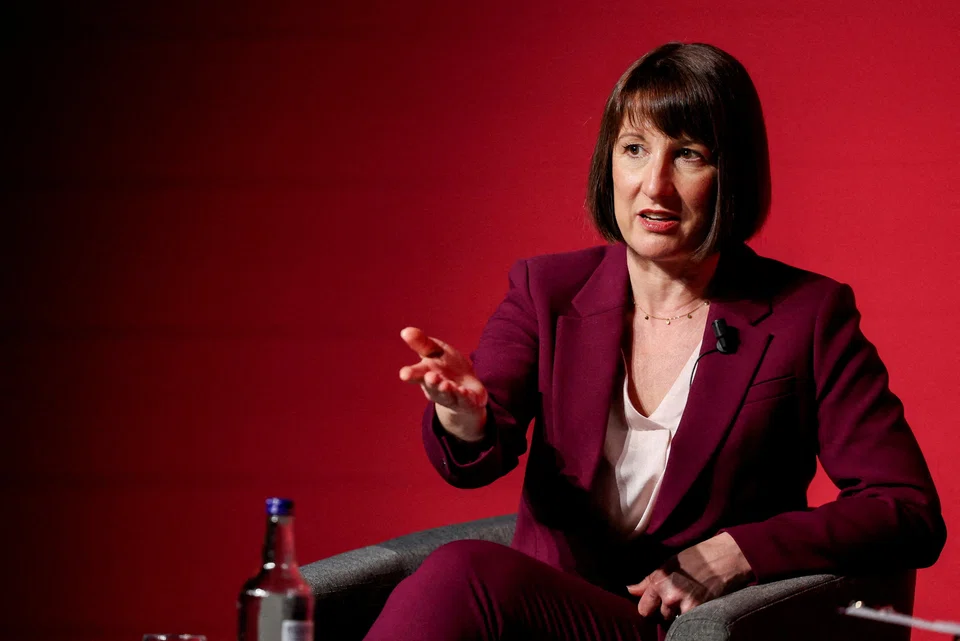
DeeperDive is a beta AI feature. Refer to full articles for the facts.
BRITAIN’S Office for Budget Responsibility has shifted from an approach of trust towards the finance ministry to one of “trust but verify” after inaccurate spending forecasts provided before March’s budget statement by the previous Conservative government.
Last week the OBR said the Treasury had failed to share information about large upward pressures on day-to-day spending and unusually high spending from emergency reserves.
“The way I would characterise it is that we are moving from a system of trust to a system of ‘trust but verify’,” OBR chair Richard Hughes told the House of Commons’ Treasury Committee on Tuesday (Nov 5).
“We want to ... make sure that we’re satisfied that what happened, the failure of oversight that very clearly happened in March, doesn’t happen again.”
New Labour finance minister Rachel Reeves said the previous government, which oversaw the last budget, had left a US$29 billion black hole, requiring her to raise taxes by much more than she had planned before July’s election.
The Conservatives say most of this hole reflects Labour’s choices on public-sector pay or temporary overspending that is routinely recouped in a normal financial year.
Navigate Asia in
a new global order
Get the insights delivered to your inbox.
However, the OBR said that if finance ministry officials had been more open in the run-up to the March budget – as they had been in the past – it would have forecast materially higher spending for the current financial year.
“There were about £9.5 billion (S$16.2 billion) worth of net pressures on departments’ budgets which they did not disclose to us as part of our usual budget preparation process ..., which under the law ... they should have done,” Hughes said.
From now on the OBR will ask for a more detailed breakdown of the finance ministry’s spending forecasts, he said.


Lawmakers would need to ask the finance ministry at a hearing on Wednesday why it had failed to provide the necessary information, Hughes said. “There may have been a misunderstanding of how the law ought to be interpreted.” REUTERS
Decoding Asia newsletter: your guide to navigating Asia in a new global order. Sign up here to get Decoding Asia newsletter. Delivered to your inbox. Free.
Share with us your feedback on BT's products and services
TRENDING NOW

‘Boring’ is the new black: The stars are aligning for a Singapore stock market revival

Near sell-out launches in March boost developer sales to 1,300 units after four slow months

China pips the US if Asean is forced to choose, but analysts warn against reading it like a sports result

Genting Singapore’s Lim Kok Thay receives S$7.5 million pay package for FY2025

