

UK cancels autumn budget, readies new virus measures
 Add BT as a preferred source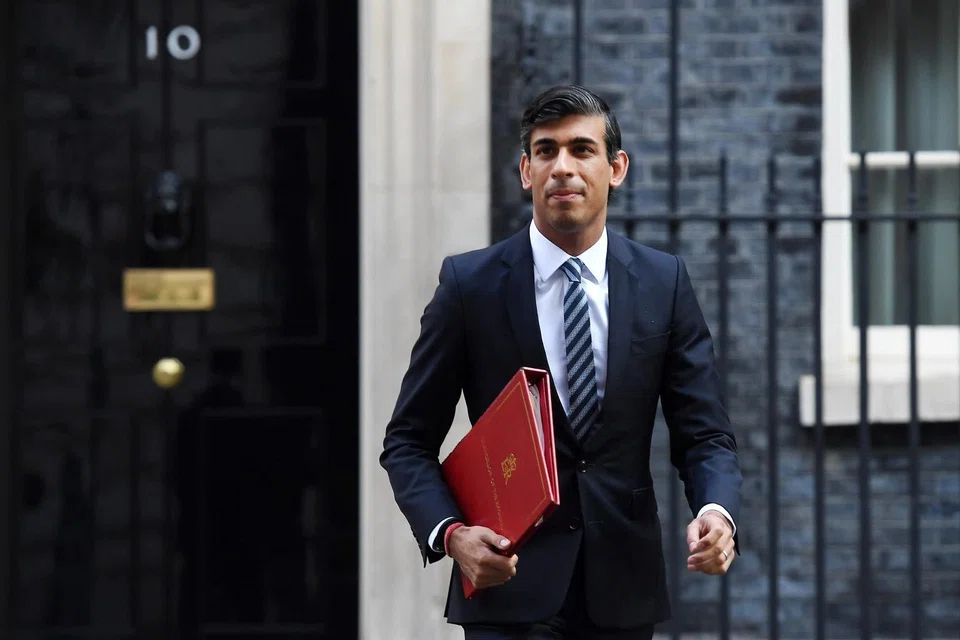
DeeperDive is a beta AI feature. Refer to full articles for the facts.
[LONDON] The British government will not deliver its planned budget later this year due to uncertainty created by the coronavirus pandemic, a finance ministry source said on Wednesday.
But Chancellor of the Exchequer Rishi Sunak is expected to set out new measures to protect jobs on Thursday, after a surge in cases sparked fresh nationwide restrictions.
"As our response to coronavirus adapts, tomorrow afternoon I will update the House of Commons on our plans to continue protecting jobs through the winter," he tweeted.
The source said the pandemic made long-term planning difficult, and the government wanted to focus on action now.
Prime Minister Boris Johnson on Tuesday set out new rules and guidance to stem the spread of infection, including early closing for pubs and restaurants - many of which are only just recovering after a full lockdown in the spring.
He also advised people to work from home if they can, abandoning a push to get office workers back into city centres to help the ailing economy.
Navigate Asia in
a new global order
Get the insights delivered to your inbox.
"No-one wanted to be in this situation but we need to respond to it," the source said.
"The chancellor has shown he has been creative in the past and we hope that people will trust us to continue in that vein.
"Giving people reassurance and businesses the help they need to get through this is uppermost in his mind."
AFP
Decoding Asia newsletter: your guide to navigating Asia in a new global order. Sign up here to get Decoding Asia newsletter. Delivered to your inbox. Free.
Share with us your feedback on BT's products and services
TRENDING NOW

Vietnam formalises new state leadership, redefining ‘four pillars’ power balance

‘Largest Singapore commercial S-Reit proxy’: analysts say buy CICT shares after Paragon acquisition

From 1MDB to ‘corporate mafia’: Is Malaysia facing a new governance test?

Why where you park your joint venture matters: Lessons from a US$689 million shareholder dispute

