UK deficit falls more than expected as tax revenues jump
The deficit was £7.1 billion less than a year earlier
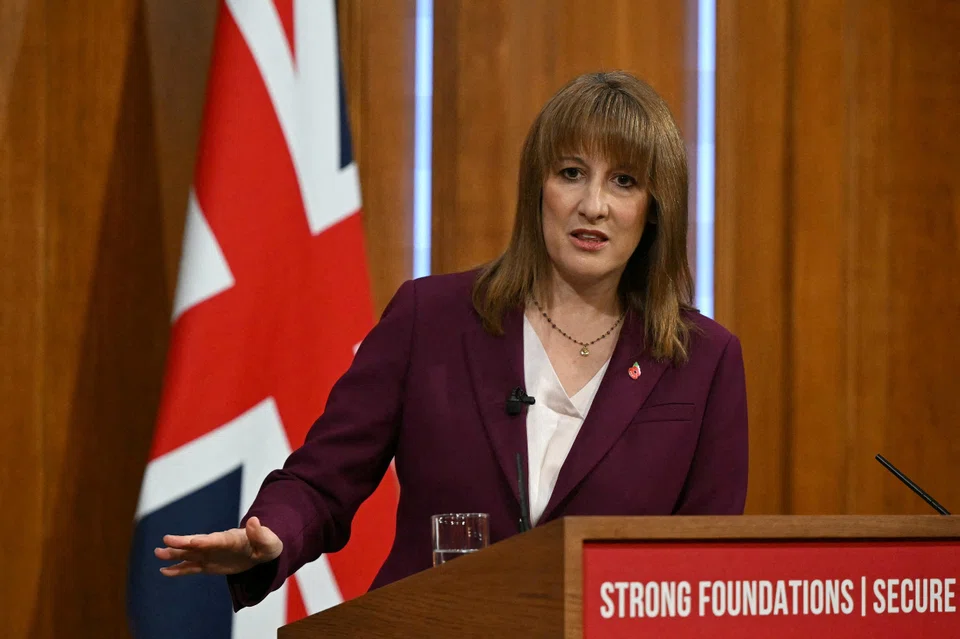
[LONDON] UK government borrowing fell more than expected in December as strong tax receipts helped Chancellor of the Exchequer Rachel Reeves in her bid to bring the public finances under control.
Spending exceeded tax revenue by £11.6 billion (S$19.9 billion), the Office for National Statistics said on Thursday (Jan 22). The deficit was £7.1 billion less than a year earlier, and below the £13 billion median forecast in a Bloomberg survey of economists. It was the lowest December borrowing since 2003.
Britain is enjoying buoyant tax revenues, thanks in part to a hike in payroll levies that took effect in April 2025 and healthy wage growth. That has helped offset widespread spending pressures, including the cost of supporting children with special educational needs.
Signs that the public finances are improving, as the tax rises introduced in the October 2024 Budget boost receipts, will come as welcome news to Reeves.
She raised taxes in November by another £26 billion to reassure jittery bond markets, more than doubling the margin for error against her fiscal rules, which require tax revenue and day-to-day spending to be in balance by the end of the decade.
“Borrowing in December was substantially down on the same month in 2024, as a result of receipts being up strongly on last year whereas spending is only modestly higher,” said ONS senior statistician Tom Davies.
Tax receipts in earlier months were higher than previously thought, helped by a £1.9 billion increase in corporation tax. The pound ticked a little higher.
In December, tax receipts were £7.7 billion higher than a year earlier, boosted by an extra £3 billion of national insurance contributions and £2.5 billion more from income tax.
National Insurance Contributions receipts were up almost 19 per cent in the first nine months the fiscal year ending in March.


Central government day-to-day spending rose £3.2 billion year on year in December, while net investment in capital projects fell.
Reeves’ fiscal watchdog, the Office for Budget Responsibility, forecast overall borrowing of £138.8 billion in the fiscal year, taking the deficit to 4.5 per cent of GDP from 5.2 per cent the previous fiscal year.
In the first of nine months, the deficit was £140.4 billion, slightly lower than the same period a year earlier. The improvement was helped by a big £3.5 billion downward revision to earlier borrowing data.
James Murray, chief secretary to the Treasury, said: “We are stabilising the economy, reducing borrowing, rooting out waste in the public sector and making sure that public services deliver value for taxpayers’ money.” BLOOMBERG
Decoding Asia newsletter: your guide to navigating Asia in a new global order. Sign up here to get Decoding Asia newsletter. Delivered to your inbox. Free.
Share with us your feedback on BT's products and services