

UK economy sees best annual growth since World War II in 2021
 Add BT as a preferred source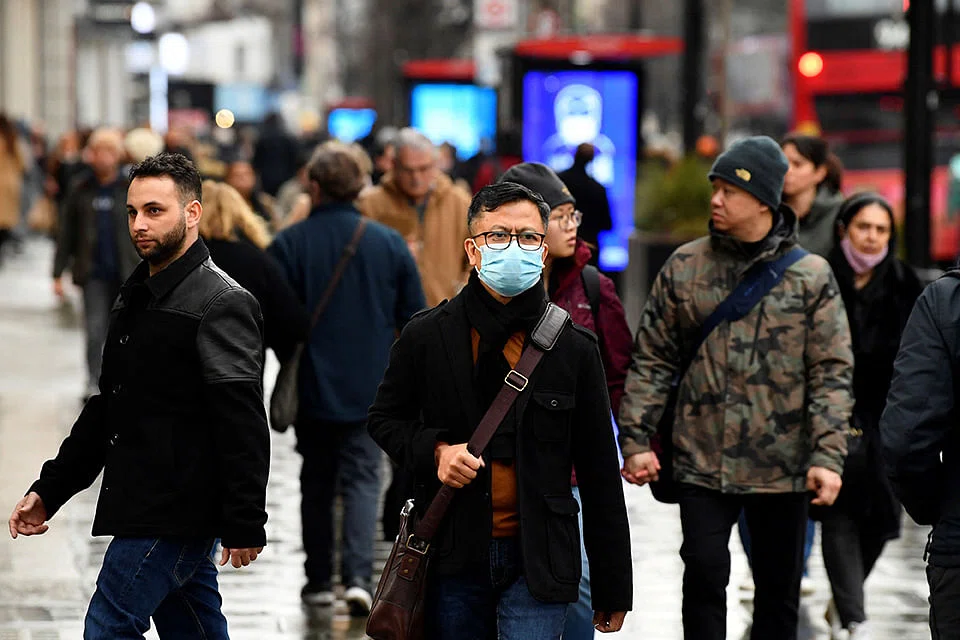
DeeperDive is a beta AI feature. Refer to full articles for the facts.
[LONDON] The UK economy expanded at the fastest pace since World War II last year after suffering a milder hit than expected in December.
The 7.5 per cent expansion was the largest since 1941 and made Britain the fastest-growing advanced economy in 2021. Gross domestic product fell 0.2 per cent in December as the spread of the Omicron variant kept consumers at home.
The figures will be welcomed by Prime Minister Boris Johnson, who is grappling with a brutal cost of living crisis and facing calls to resign over alleged rule breaking parties when the country was in lockdown.
They will also keep the Bank of England (BOE) focused on efforts to curb surging inflation, with more interest-rate increases likely in coming months.
After suffering a deeper pandemic recession than its major peers, contracting 9.4 per cent in 2020, the UK has enjoyed a stronger recovery, aided by billions of pounds of government aid to support jobs and firms through the crisis.
The economy is forecast to outperform other Group of Seven nations once again this year.
Navigate Asia in
a new global order
Get the insights delivered to your inbox.
Thanks to "our package of support and making the right calls at the right time, the economy has been remarkably resilient," said Chancellor of the Exchequer Rishi Sunak.
However, Britain has yet to return to its pre-pandemic levels of output on a quarterly basis, a milestone already surpassed by the US and France.
The fall in GDP in December was entirely due to a 0.5 per cent contraction in the services sector, where hospitality venues were hit by mass cancellations in the run-up to Christmas, and retailers saw a collapse in footfall, after the government imposed curbs to contain the spread of Omicron.
Businesses across the economy were also hampered by widespread absences linked to the virus and continued supply-chain disruptions. On the plus side, health-care output rose, driven by the rollout of vaccine booster shots.
The loss of output in December limited growth in the fourth quarter to just 1 per cent, leaving GDP 0.4 per cent below its level at the end of 2019. With Omicron restrictions extending into the new year, January is also expected to be weak.
BOE forecasts published Feb 3 show the economy stagnating in the first quarter, but rebounding strongly in the following three months to return to its pre-Covid size. The bank has hiked rates at it two previousl meetings, taking the benchmark to 0.5 per cent, and markets are pricing in a rapid series of further moves this year. BLOOMBERG
Decoding Asia newsletter: your guide to navigating Asia in a new global order. Sign up here to get Decoding Asia newsletter. Delivered to your inbox. Free.
Share with us your feedback on BT's products and services
TRENDING NOW
Singaporeans can now buy record amount of yen per Singdollar

Beijing’s calculated silence on the Iran war

China pips the US if Asean is forced to choose, but analysts warn against reading it like a sports result

StarHub hands Ensign InfoSecurity control back to Temasek in S$115 million deal, books S$200 million gain

