

UK factories face biggest month-on-month jump in costs since 1992: PMI
This is due to rising oil and gas prices and higher transport costs caused by the Middle East conflict
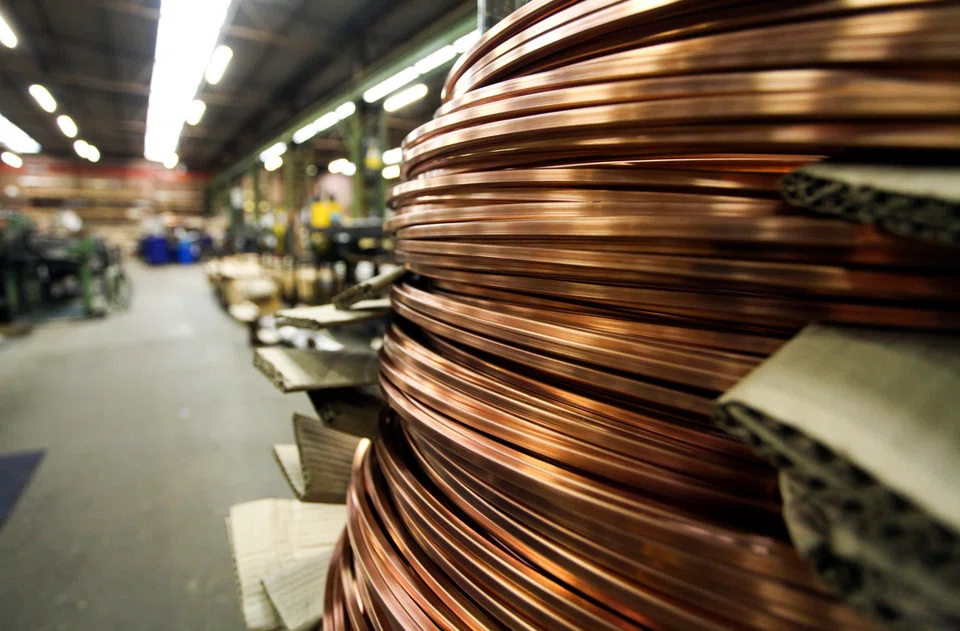
[LONDON] British factory cost pressures soared in March, and delivery delays – due to ships avoiding the Strait of Hormuz – were the longest since mid-2022, based on a survey that laid bare the impact of the Middle East conflict.
The final version of S&P Global’s UK Manufacturing Purchasing Managers’ Index (PMI) for March fell to 51, below a preliminary estimate of 51.4 and February’s 51.7.
The survey’s closely watched output gauge fell to 49.2, its first contraction since September, down from 52.5 in February. Growth in new orders slowed.
Manufacturers’ input costs rose at the fastest pace since October 2022 at 71, and the change from February represented the biggest month-on-month jump in the index since October 1992, after Britain left the European Exchange Rate Mechanism.
March’s input costs measure was slightly higher than a preliminary reading of 70.2, and mainly reflected rising oil and gas prices, as well as higher transportation costs caused by the escalating Middle East conflict, S&P said.
Output prices rose by the most in nearly a year, as manufacturers began to pass their increased costs to customers.
“The war in the Middle East and ongoing concerns about domestic economic policy led to a scaling back of production,” said Rob Dobson, director at S&P Global Market Intelligence.
He added that the growth in new orders suggested that the drop in production probably reflected supply issues rather than a fall in demand, although the demand would be tested without a swift resolution to the war.
Delays to deliveries increased at the fastest pace since July 2022, as ships rerouted away from the Strait of Hormuz, which Iran effectively closed after the US-Israeli attacks on Iran began in late February.


The data underscored the Bank of England’s (BOE) dilemma.
Investors expect the BOE to raise rates two or possibly three times this year, as it tries to stop the higher inflation caused by the war from becoming a long-term problem for Britain’s economy.
But most economists polled by Reuters think that the central bank is likely to hold off, until it has a clearer idea of the scale of the conflict’s impact. The already weak pace of economic growth could reduce the inflationary risks, they added.
The manufacturing PMI’s employment index fell for the 17th month in a row, and at the fastest pace in seven months. Companies’ optimism about the year ahead hit a six-month low. REUTERS
Decoding Asia newsletter: your guide to navigating Asia in a new global order. Sign up here to get Decoding Asia newsletter. Delivered to your inbox. Free.
Share with us your feedback on BT's products and services
TRENDING NOW

Once staunchly pro-China, Malaysian Chinese businesses are now distancing themselves from Beijing

New launch or resale unit? Here’s a guide for homebuyers
The lesser-known prospects in the Asian chipmaking supply chain

Cliff Tan has 7 million followers and a 4-month waitlist. Why won’t he expand his business?

