UK food inflation will hit 6% on El Nino and drought, firms warn
Farmers are already seeing lower yields for cereal crops
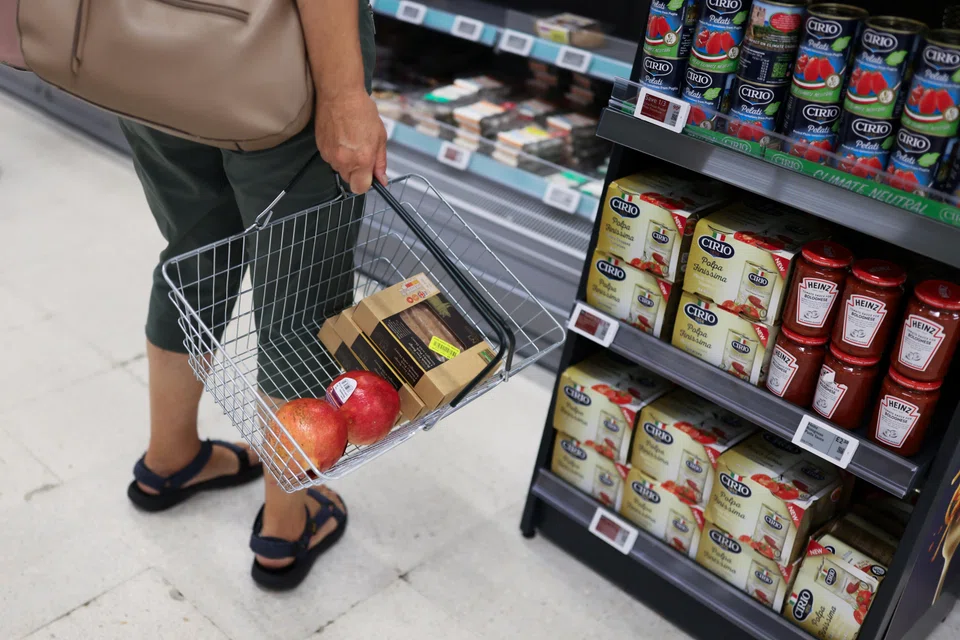
A STRING of shocks from El Nino, summer droughts and war in Iran will push UK food inflation above 6 per cent next year, according to forecasts by the country’s food producers.
The Food and Drink Federation warned that food inflation will hit almost 4 per cent by Christmas, more than double the current rate, before accelerating to a peak of 6.4 per cent in July 2027.
It would be the highest annual increase since early 2024 when grocery costs were still being affected by the energy shock from Russia’s invasion of Ukraine two years earlier.
The UK trade body for food and drink manufacturers said a £100 (US$135) weekly shop in 2020 would cost almost £150 by next summer should prices rise as fast as it forecasts, intensifying cost-of-living pressures that are already top of Prime Minister Andy Burnham’s agenda.
He has signalled that more help for households and businesses is on its way but is facing a deteriorating fiscal backdrop ahead of the autumn budget.
While food inflation is currently contained at 1.2 per cent, the sector is grappling with higher energy costs caused by the US-Iran war combined with the widespread drought in the UK and the prospect of a supersized El Nino that will disrupt global weather patterns.
Britain is particularly exposed to weather events abroad given imports account for around 40 per cent of the country’s food supply.
“The persistently higher costs of energy, logistics and packaging, compounded by this summer’s extreme heat, mean that food prices will rise this year, and we believe that rise will be sustained into 2027,” said Karen Betts, chief executive at the Food and Drink Federation.
The prediction came after Bank of England Governor Andrew Bailey warned shoppers to brace for faster increases in supermarket prices.




Bailey told lawmakers on Tuesday that farmers are already seeing lower yields for cereal crops, including winter wheat, spring barley and oats, putting upward pressure of prices.
El Nino could intensify the strains on food supply by impacting rice, coffee, cocoa and palm oil, he added.
“Food price inflation has come in under where we thought it would,” he told the Treasury Committee. “However, I think unfortunately, this is another area where the risks are on the upside. We have built into our forecast stronger food inflation by the end of the year, so we’ve already got that in. But we will keep having to come back to this.” BLOOMBERG
Decoding Asia newsletter: your guide to navigating Asia in a new global order. Sign up here to get Decoding Asia newsletter. Delivered to your inbox. Free.
Share with us your feedback on BT's products and services