

UK inflation hits 3.3% as Iran war sends petrol costs soaring
Domestic gas and electricity prices are also due to rise in July
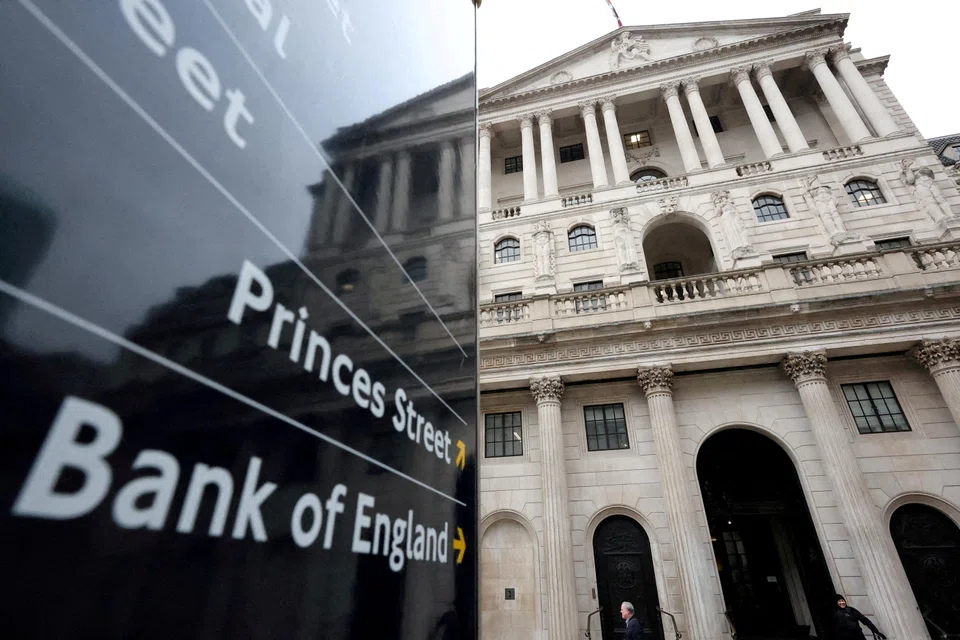
[LONDON] UK inflation accelerated in March, as a surge in energy costs triggered by the Iran war started to hit consumers in the pocket.
The consumer prices index rose 3.3 per cent from the year-ago period, up from 3 per cent the previous month, the Office for National Statistics said on Wednesday (Apr 22).
The figure was in line with the expectations of economists.
The pickup was driven by an 8.7 per cent jump in the price of motor fuel, the largest monthly gain since 2022 – when Russia invaded Ukraine.
Services inflation, a key indicator of underlying price pressures, unexpectedly increased from 4.3 to 4.5 per cent.
The report shows how the Middle East crisis has upended the outlook for inflation, with Brent crude close to US$100 a barrel, as the US and Iran fail to reach an agreement to end a 53-day war that has brought Persian Gulf oil and gas exports to a near standstill.
The squeeze is also threatening to ripple out beyond the petrol pump into other everyday goods and services, with domestic gas and electricity prices set to rise in July and warnings that food inflation could reach close to double digits.
Inflation had been on track to fall to the target of 2 per cent in the second quarter, clearing the way for further interest-rate cuts from the Bank of England.
Now, however, it is expected to stay at around 3 per cent and accelerate in the third quarter, raising the possibility of interest-rate increases instead.



While policymakers are expected to keep borrowing costs on hold on Apr 30 as they seek more clarity on the conflict, they have signalled they are ready to act if needed to stop the energy-price shock from spilling over into second-round effects. BLOOMBERG
Decoding Asia newsletter: your guide to navigating Asia in a new global order. Sign up here to get Decoding Asia newsletter. Delivered to your inbox. Free.
Share with us your feedback on BT's products and services
TRENDING NOW

DBS, OCBC, UOB rout lops billions off STI as inflation, rate concerns spook investors

Grab CEO’s wife Chloe Tong on life with Anthony Tan and finding her purpose

OCBC sheds S$8 billion in value as shares close nearly 6% down; analysts cautious on banks

Deal between tycoon friends sparks scrutiny of Philippine power sector

