UK inflation slides to 3.2% before Bank of England rate decision
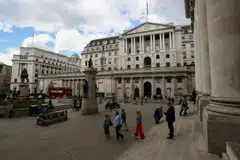
British inflation has been higher than in other major advanced economies

[LONDON] British consumer price inflation fell unexpectedly sharply to 3.2 per cent in November, its lowest since March, from 3.6 per cent in October, official figures showed on Wednesday (Dec 17), a day before the Bank of England (BOE) is widely expected to cut interest rates.
A Reuters poll of economists had shown a median forecast of a fall to 3.5 per cent in November’s annual inflation rate, though the BOE had pencilled in a slightly bigger drop to 3.4 per cent.
Sterling dropped by around half a cent against the US dollar after the data came out, which reinforced expectations for looser monetary policy.
Financial markets have been pricing in a more than 90 per cent chance of the BOE cutting rates by a quarter point to 3.75 per cent on Thursday, though many economists have said they see the decision as more finely balanced.
Wednesday’s data showed services price inflation, which the BOE sees as reflecting as a guide to longer-term inflation pressures, fell to 4.4 per cent rather than holding at 4.5 per cent as economists and the BOE had expected.
Food and non-alcoholic beverage inflation dropped to 4.2 per cent from 4.9 per cent in October. The BOE has said it expects this to rise 5.3 per cent in December, the highest in nearly two years.
The core consumer price index – which excludes more volatile food, alcohol, energy and tobacco prices – also slowed to 3.2 per cent rather than holding at 3.4 per cent as economists had forecast in the Reuters poll.
Last month, the BOE’s Monetary Policy Committee voted 5-4 to keep interest rates on hold, breaking the quarterly cadence of rate cuts in place since 2024, and economists expect a December rate cut by only a narrow five-4 margin.
Of those members who opposed a cut in November, governor Andrew Bailey looks most likely to switch votes, as he said in minutes of the decision that he wanted to see further falls in price pressures “this year” before backing a cut.



British inflation has been higher than in other major advanced economies, and in November the central bank forecast it would remain above its 2 per cent target until the second quarter of 2027.
Since then, finance minister Rachel Reeves announced measures in her Nov 26 Budget that will shift climate change costs away from levies on energy bills towards general taxation. REUTERS
Decoding Asia newsletter: your guide to navigating Asia in a new global order. Sign up here to get Decoding Asia newsletter. Delivered to your inbox. Free.
Share with us your feedback on BT's products and services