

UK's general election outcome to leave investors in the lurch
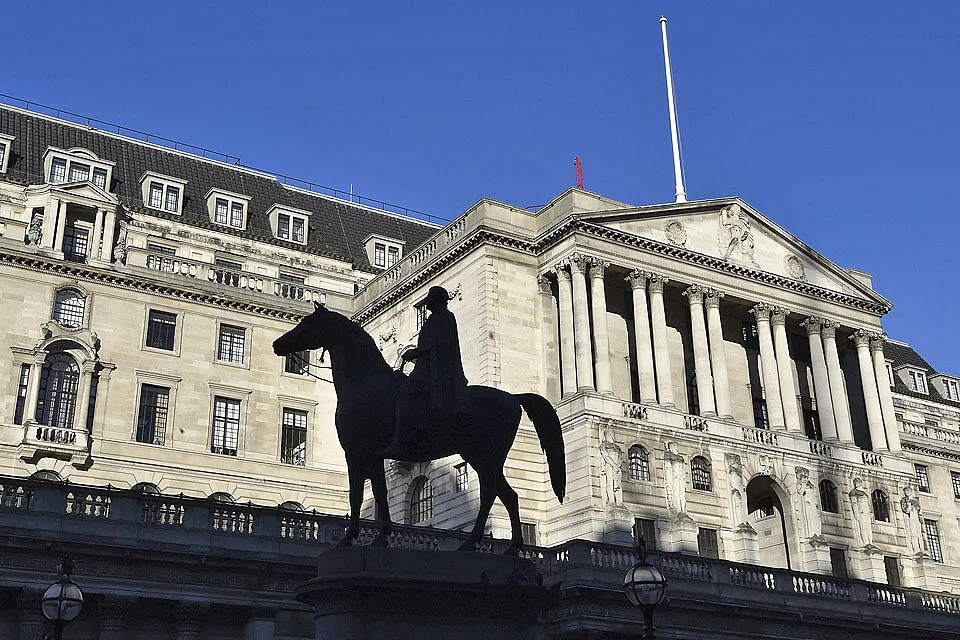
London
WHOEVER wins the UK general election in less than three months, investors could be in for a bumpy ride.
That's according to banks including Morgan Stanley and Deutsche Bank, which say a Conservative-led government could precipitate a British exit from the European Union, while a Labour-led one risks letting up on cutting the budget deficit. Either could weaken the pound, push up bond yields and put pressure on the Bank of England to raise interest rates, economists and strategists say.
"Regardless of the outcome of the UK election, we believe the policy prospects are likely to be unappealing to foreign investors," said Ian Stannard, head of European foreign-exchange strategy at Morgan Stanley. Concern that Britain is heading for a period of political instability is already starting to weigh on investment, he said.
Polls suggest Prime Minister David Cameron's Conservatives and the Labour opposition may gain a roughly equal number of seats on May 7, both short of a parliamentary majority. That raises the prospect of a minority government or a coalition with two or more parties.
Deutsche Bank says that the UK faces "the most uncertain outcome in many years." For Credit Agricole, it's "for nearly a century". Either way, investors are becoming increasingly concerned.
Implied price volatility in the pound against the dollar for the next six months is now at its highest level since June 2012. The average daily trading range on UK 10-year gilts is eight basis points this year, up from six basis points in 2013 and 2014.
Amid the many plausible election outcomes, the prospect of a referendum on whether to leave the EU should Mr Cameron be re-elected unnerves investors the most.
Slavena Nazarova at Credit Agricole thinks that Britons would vote to stay in the EU, which buys about 50 per cent of UK exports, but says that a close contest could hit UK assets and capital flows.
"The position of the City of London as a key financial centre and as a point of entry to the EU single market" would be undermined by the threat of a British exit, as would foreign investment in the UK, the Paris-based economist said.
With Mr Cameron promising a popular vote by 2017, Mr Stannard at Morgan Stanley says that sterling could fall to US$1.38 this year, with weakness "likely to persist" into 2016. The pound has declined 2.3 per cent against the dollar this year to about US$1.5214.
A referendum would depress GDP growth by 0.5 percentage point in 2017 because firms would delay investment decisions, said James Knightley, an economist at ING Bank in London.
The loss of momentum might cause the BOE to raise interest rates more cautiously, according to Mr Knightley. Other economists disagree. "If an EU referendum caused global investors to shun UK assets, forcing sterling sharply lower," then inflation might "rocket", said Samuel Tombs at Capital Economics in London. That could force the Bank of England "to raise rates quickly", he said.
While Labour opposes an EU referendum, the party clashed with business leaders this month over its economic policies, which include freezing energy prices, reversing a planned cut in corporation tax for large companies and imposing a levy on the most expensive homes.
Ed Miliband's party is also committed to less austerity than the Tories, vowing to eliminate the "current" budget deficit but keep borrowing to fund investment, an amount equal to about £25 billion (S$51 billion) a year. Conservative Chancellor of the Exchequer George Osborne plans to turn a deficit of about 5 per cent of gross domestic product into an outright surplus by 2019.
The BOE could raise interest rates sooner than would otherwise be the case if the Monetary Policy Committee "judged the new government's fiscal plans to be meaningfully less austere than what is currently expected", said Deutsche Bank chief UK economist George Buckley.
A Labour government supported by the Scottish National Party, which polls suggest could emerge as the third-largest in the UK Parliament, would increase pressure for a looser fiscal policy, Mr Buckley said. The SNP, which condemns what it calls "the austerity economics" of the larger parties, has seen a surge in support since losing an independence referendum in September.
At Berenberg Bank in London, economist Rob Wood said that bond investors may be vulnerable to any slowdown in the pace of deficit reduction. "Maybe bond markets are pricing in a lot of austerity, and then that doesn't happen and so yields go up," he said.
"Labour won't have a referendum but you might have a regime that is more negative to business, and a referendum makes a Conservative vote that much more difficult," advertising group WPP Chief Executive Officer Martin Sorrell said in an interview with the Guardian newspaper published on Monday. That amounts to a "Hobson's Choice" for British business, he said. BLOOMBERG
TRENDING NOW

Could Jensen Huang work for Elon Musk? It would be ‘a titanic ego death match’, says biographer

As Indonesia picks new vice-president to succeed Gibran, investors see risks and opportunities

Beyond the greenback, Vietnam’s big borrowers turn to Asian-currency bonds

Shareholders sue Alibaba for allegedly hiding ties to Alice Huang, the suspected spy in Nvidia scandal

