

UK's Johnson names new Brexit minister as trade delays and red tape persist
London
BRITISH Prime Minister Boris Johnson is banking on Jacob Rees-Mogg - a cabinet minister and prominent Leave campaigner during the 2016 European Union referendum - to defy his critics and make Brexit advantageous for the UK economy and trade.
Johnson, still under fire due to the so-called "Partygate" controversy, has promoted the 52-year-old from leader of the House of Commons to a full minister in charge of "Brexit opportunities and government efficiency".
Just over a year since Brexit entered into force, Johnson and his cabinet are worried that the exit from the EU has not fulfilled the promises to the electorate.
So far, there is minimal evidence to show that Brexit has deregulated and boosted the economy significantly.
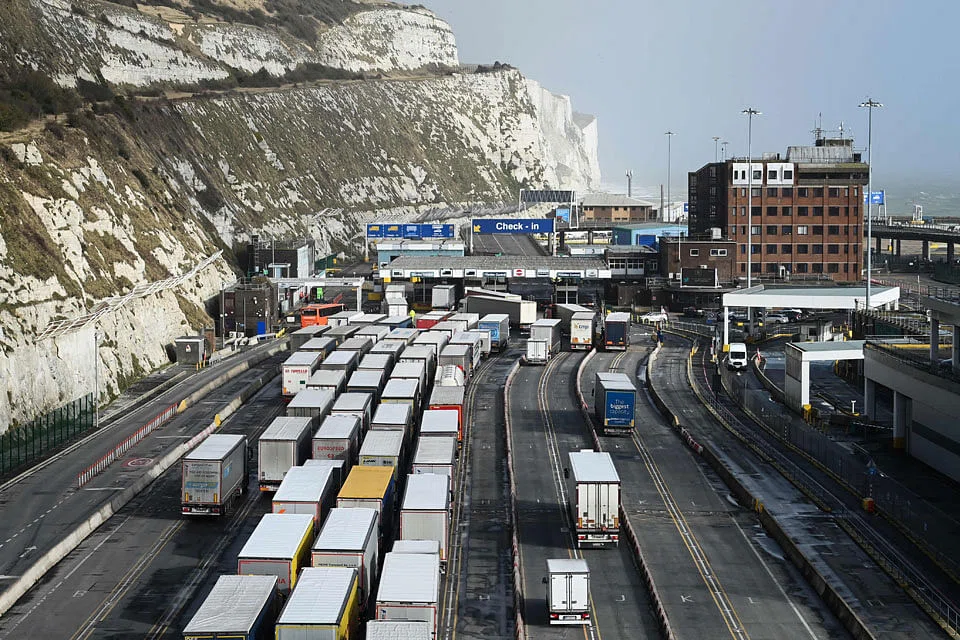
Britain's exit from the EU has made trade more expensive because of delays and red tape, and there could be border disruption as passenger numbers recover when the pandemic ends, the parliament's Public Accounts Committee warned earlier this week.
Covid-19, of course, has interfered with some of the Brexiteers' hopes, although Johnson has claimed many times that Britain raced ahead of the "bureaucratic EU" in delivering vaccinations.
Rees-Mogg, educated at Eton and Oxford University and the son of the late editor of The Times newspaper William Rees-Mogg, was chosen to lead the Brexit push because he campaigned to leave the EU for many years.
Besides being chairman of the Eurosceptic European Research Group, a powerful Tory MP group, Rees-Mogg is also a successful businessman.
In 2007, he co-founded Somerset Capital Management, an emerging market specialist asset manager which has grown to 50 employees and US$8 billion under management.
According to a House of Commons paper on British trade, the UK's exports of goods and services totalled £619 billion (S$1.1 trillion), compared with imports of £648 billion in 2021.
A deficit of £156 billion on trade in goods was offset by a surplus of £127 billion on trade in services in 2021 that cut the trade deficit to £29 billion.
The EU accounted for 42 per cent of UK exports of goods and services and 50 per cent of imports in 2020.
As such, it appears that Brexit has not had the dire impact on trade that some economists had predicted during and after the 2016 referendum.
The National Institute of Economic Research said that trade has been better than expected because the devaluation of the pound since 2016 has helped the UK become more competitive.
"The UK is in a unique position to adopt one particular, radical free trade policy," said Victoria Hewson, head of regulatory affairs at the Institute of Economic Affairs.
"It should pursue a policy of unilateral recognition of the regulations of the EU and other territories for the acceptance of goods into the UK market. Regulatory differences between jurisdictions are a barrier to international trade," she added.
Hewson said the UK has an opportunity to lead the world with a radical trade policy of recognising regulations, without requiring reciprocity.
Rees-Mogg agreed: "Non-tariff barriers are the delight of protectionists and should be removed wherever possible."
Fresh data released by the Office for National Statistics showed that imports of goods from beyond the EU are now consistently higher than those from EU countries post-Brexit.
This trend, now in its 11th consecutive month to end-November 2021, is the first time in history that non-EU imports have outweighed those from within the bloc.
TRENDING NOW

Demand, tech capabilities position Apac and AI as Skyscanner’s next growth frontiers: CEO Bryan Batista

Motoring tycoon Peter Kwee is back in court: Here are his previous legal battles

South-east Asia has lost Nvidia’s best salesman

Could Jensen Huang work for Elon Musk? It would be ‘a titanic ego death match’, says biographer

