

UN atomic watchdog says amount of tritium in discharged Fukushima water 'far below' operational limit
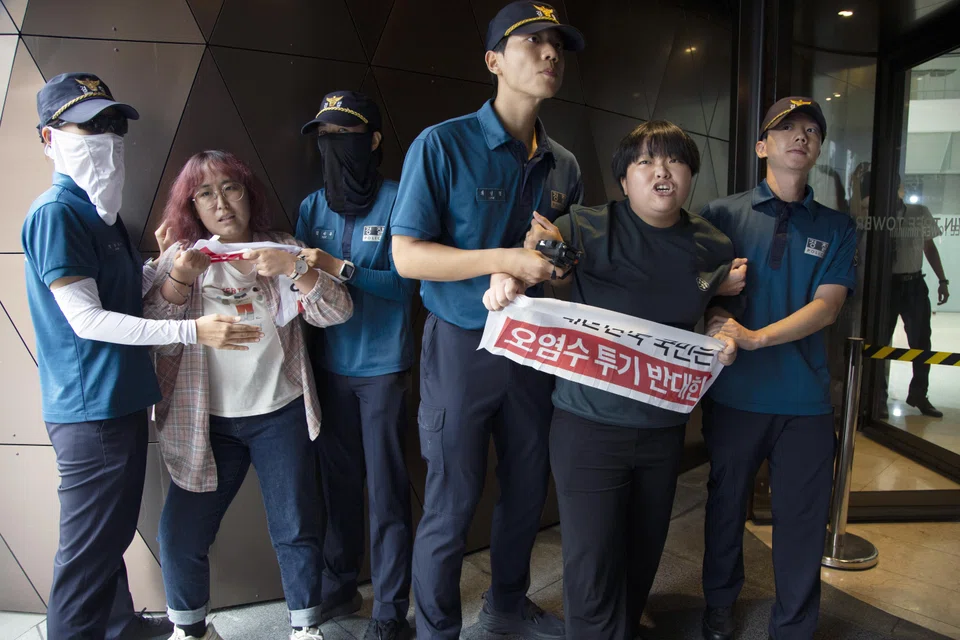
THE tritium concentration in the wastewater from the stricken Fukushima-Daiichi nuclear plant, which Japan began releasing into the Pacific Ocean on Thursday (Aug 24), is well below the operational limit, the UN nuclear watchdog said.
“IAEA (International Atomic Energy Agency) experts this week took samples from the first batch of diluted water prepared for discharge,” the atomic watchdog, which oversees the process, said in a statement.
“The IAEA’s independent on-site analysis confirmed that the tritium concentration in the diluted water that is being discharged is far below the operational limit of 1,500 becquerels per litre,” it added.
The limit is 40 times lower than the Japanese national safety standard for tritium levels in water, which is in line with the international standard of 60,000 becquerels per litre (Bq/L).
It is also around seven times lower than the limit set by the World Health Organisation (WHO) for drinking water (10,000 Bq/litre).
Japan has repeatedly insisted the wastewater will be harmless, with its position backed by UN atomic watchdog.
The start of the discharge of around 540 Olympic swimming pools’ worth of water over several decades is a big step in decommissioning the still-highly-dangerous site 12 years after one of the world’s worst nuclear accidents.
Although such water release is standard practice in the nuclear industry, local fisherman in Japan as well as a furious China have blasted the move.
In an effort to diminish concerns, the IAEA has dispatched a team to the plant to ensure that “the process is carried out in a safe and transparent way”.
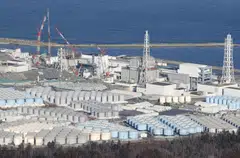

Japan plans to release by 2050 some 1.34 million tonnes of wastewater now stored at the plant site. AFP
Decoding Asia newsletter: your guide to navigating Asia in a new global order. Sign up here to get Decoding Asia newsletter. Delivered to your inbox. Free.
Share with us your feedback on BT's products and services
TRENDING NOW

Knight Frank’s Tan Tee Khoon leaves firm, Nicholas Keong takes over auction business
Keppel Energy, Sembcorp Utilities and Tuas Power to supply biomethane in pilot project

GovTech retrenches another 38 staff in second round of layoffs

Take-up of new private homes dives 45% in Q3 as prices accelerate with 1.4% rise

