UN needs US$33 billion for aid as crises grow, funding shrinks
Of this amount, US$23 billion has been earmarked for the most urgent, life-saving work
 Add BT as a preferred source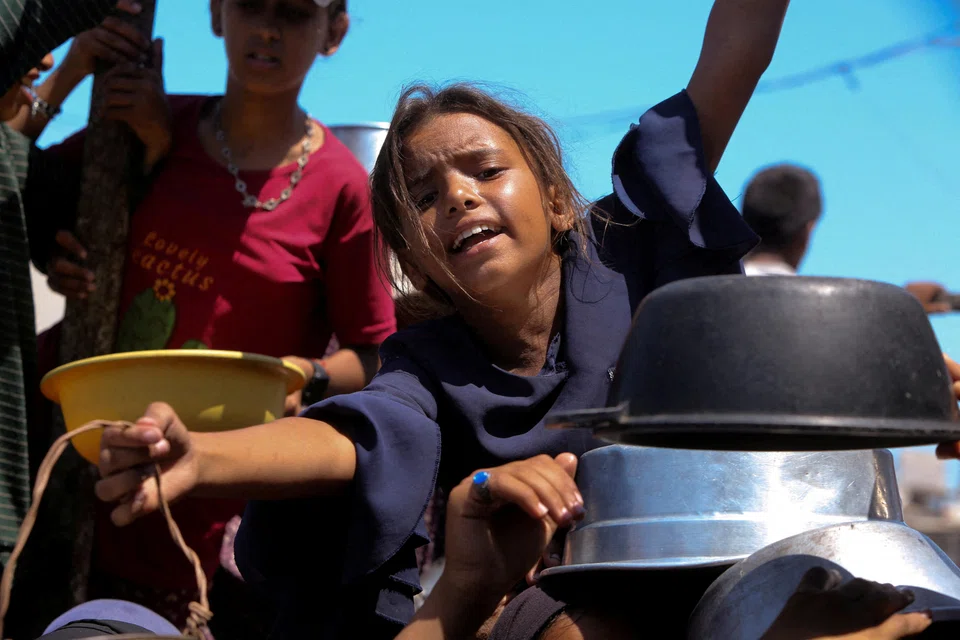
DeeperDive is a beta AI feature. Refer to full articles for the facts.
[NEW YORK] The United Nations (UN) is asking its member states for US$33 billion to help people in need of humanitarian assistance around the globe – the organisation’s most modest ask in the past half-decade amid member state budget constraints and a lack of US funding.
In its annual assessment of global humanitarian needs released on Monday (Dec 8), the UN Office for the Coordination of Humanitarian Affairs (OCHA) found that it would take more than US$30 billion to provide for millions in need of aid.
The last time it asked for less than US$33 billion was in 2019.
The money OCHA needs would come from voluntary contributions beyond what each member state has to pay the UN every year. But of the US$45 billion that was requested in last year’s report, the organisation only got US$12 billion – the lowest in a decade.
When asked why this year’s goal is so much lower than the previous year’s, UN under-secretary-general Tom Fletcher said: “I’m trying to be realistic here about what would be a stretch goal for us to get in the current funding conditions.
“Do I want to shame the world into responding? Absolutely. But I also want to channel this sense of determination and anger that we have as humanitarians, that we will carry on delivering with what we get.”
Navigate Asia in
a new global order
Get the insights delivered to your inbox.
The organisation is now prioritising US$23 billion for “the most urgent, prioritised, life-saving work”, Fletcher said, adding that “it is a heartbreaking report to share”.
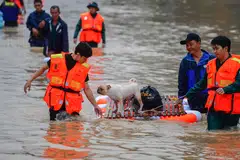
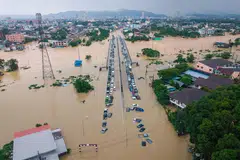
He listed crises worldwide his organisation is tackling, including famines in Gaza and Sudan, disease outbreaks, and funding cuts to a number of essential programmes.
Some 240 million people need humanitarian assistance and protection, the UN assessment found, with conflict and climate change driving the biggest threats to communities. But as new crises emerge and the old ones get worse, funding is not only scarce but also stretched.
The lower limit of what OCHA is asking for is significantly lower than last year’s request, as the entire UN and its subsidiaries grapple with a financial crisis driven largely by a lack of US support.
The White House had stopped paying the UN what it contractually owes when US President Donald Trump began his second term, and so far, the US has paid only about half of its US$1.4 billion in dues to the peacekeeping department for 2025, said the UN. BLOOMBERG
Decoding Asia newsletter: your guide to navigating Asia in a new global order. Sign up here to get Decoding Asia newsletter. Delivered to your inbox. Free.
Share with us your feedback on BT's products and services