UN team seeks evidence linking Myanmar military leaders to crimes
 Add BT as a preferred source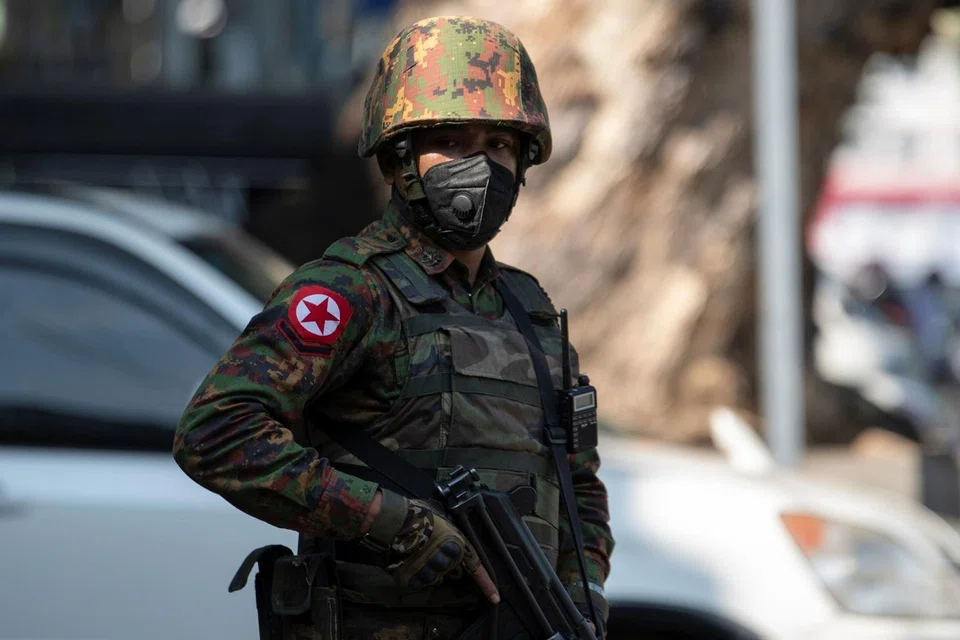
DeeperDive is a beta AI feature. Refer to full articles for the facts.
[GENEVA] A United Nations (UN) team of investigators on Myanmar appealed on Wednesday for people to collect and preserve documentary evidence of crimes ordered by the military since the Feb 1 coup in order to build cases against its leaders.
More than 180 protesters have been killed by security forces trying to crush a wave of demonstrations since the junta seized power in the South-east Asian nation, says activist group the Assistance Association for Political Prisoners.
"The persons most responsible for the most serious international crimes are usually those in high leadership positions," Nicholas Koumjian, the head of the Geneva-based UN team, said in a statement.
"They are not the ones who physically perpetrate the crimes and often are not even present at the locations where the crimes are committed.
"To prove their responsibility requires evidence of reports received, orders given and how policies were set."
People with such information should contact the investigators through secure means of communication, he added, citing apps such as Signal or a ProtonMail account.
Navigate Asia in
a new global order
Get the insights delivered to your inbox.
A junta spokesperson did not answer telephone calls seeking comment.
On Tuesday, the UN human rights office condemned the use of live ammunition against the protesters.
"They are completely unchecked and getting more brutal every day. It's a calculated escalation of brutality," a senior UN official, declining to be identified, told Reuters on Wednesday.
Myanmar has been in turmoil since its military ousted the elected government of Nobel peace laureate Aung San Suu Kyi on Feb 1, detaining her and members of her party, drawing wide international condemnation.
The UN investigators are collecting evidence of the use of lethal force, unlawful arrests, torture and detentions of people whose families are not told of their whereabouts, the statement said.
The Independent Investigative Mechanism for Myanmar was set up by the UN Human Rights Council in 2018 to consolidate evidence of the most serious crimes. It aims to build case files for proceedings in national, regional or international courts.
REUTERS
Decoding Asia newsletter: your guide to navigating Asia in a new global order. Sign up here to get Decoding Asia newsletter. Delivered to your inbox. Free.
Share with us your feedback on BT's products and services