
Underground restaurants, secret bars: Beijing residents dodge Covid curbs
 Add BT as a preferred source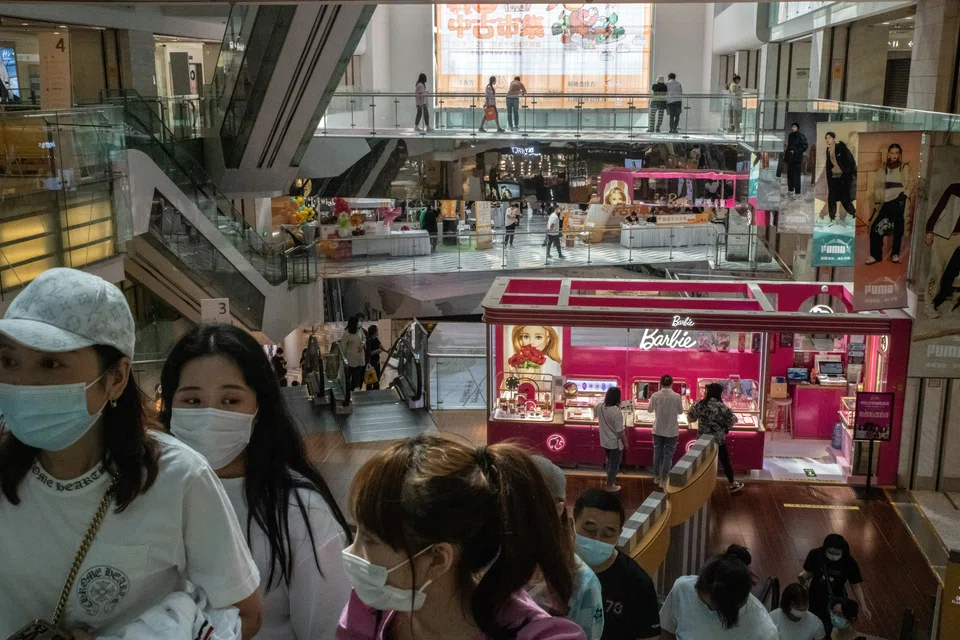
DINING in underground restaurants, drinking in secret bars known only by word of mouth, and hiding their Covid symptoms – this is how Beijing residents are defying strict curbs as the government tentatively relaxes pandemic control measures.
“It was quite secretive, you couldn’t see the lights on the second floor from the outside,” said a resident who visited a clandestine hotpot restaurant.
She came across the purveyor of simmering stew on Xiaohongshu – China’s equivalent of Instagram – while searching for indoor dining options in Beijing. When she arrived at the restaurant, it was “full” of people.
“I was very happy to eat out, but at the same time, I felt like I had to fight an underground battle,” she said, asking to stay anonymous.
China is facing an inflection point in its virus response, having stuck to heavy-handed restrictions that were successful in containing initial outbreaks. But these measures have stoked widespread public resentment.
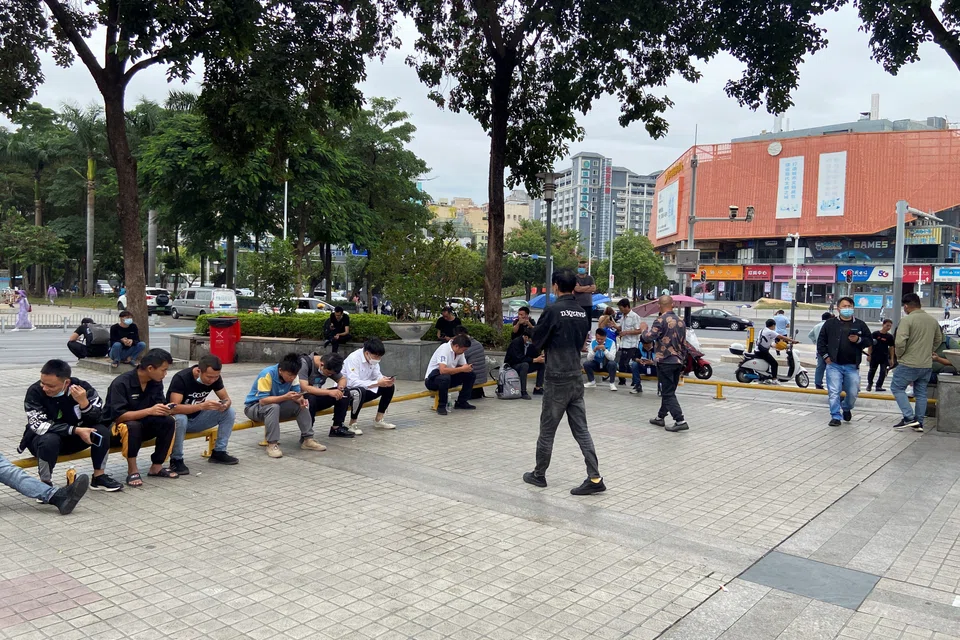
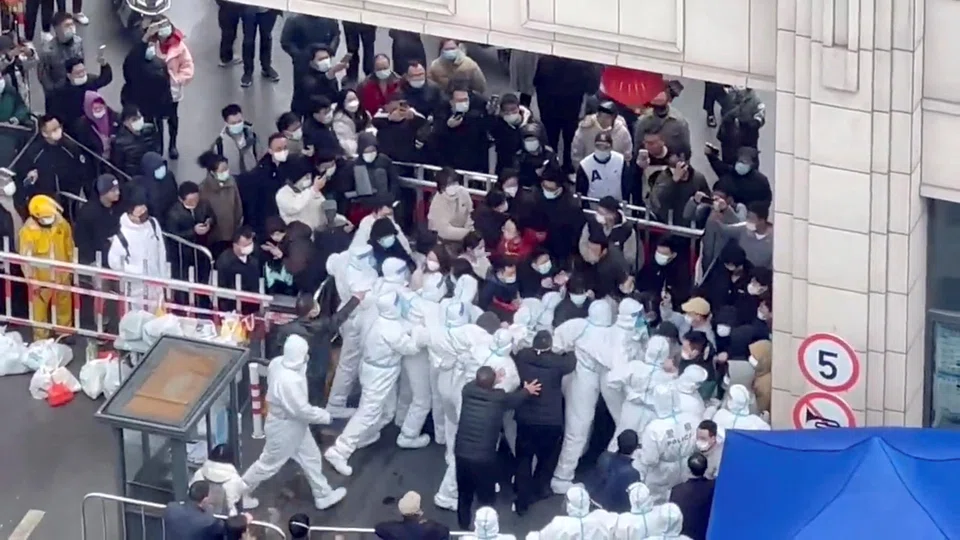
In the wake of the country’s largest protests in decades, numerous cities, including Beijing, have begun relaxing testing requirements while state media downplays the risks of the virus.
Navigate Asia in
a new global order
Get the insights delivered to your inbox.
That relaxation has emboldened some residents to skirt the rules, with news of eateries and cafes offering dine-in services – prohibited in much of the capital – circulating on social media and drawing hundreds of likes.
An expat who asked not to be named told AFP that he recently enjoyed a mutton stew and skewers at another underground restaurant.
“The staff weren’t going to let me in and said they were only doing takeout,” he said. “But when I said my friends were already upstairs, they winked and told me to scan my QR code.”
Another Beijing expat told AFP that he watched a World Cup match at a shuttered nightclub that organises clandestine, invitation-only screenings.
After a labyrinthine journey through a neighbouring hotel and car park to reach the nightclub, which was locked from the outside, he found unmasked guests discreetly watching the game inside.
“It was so surreal to jump through all of these hoops,” he said.
And a Beijing food blogger who recently posted about visiting a bar that was secretly open said he was fed up with the situation.
“I really can’t stand it anymore – I hope they reopen as soon as possible,” the blogger, surnamed Sui, told AFP.
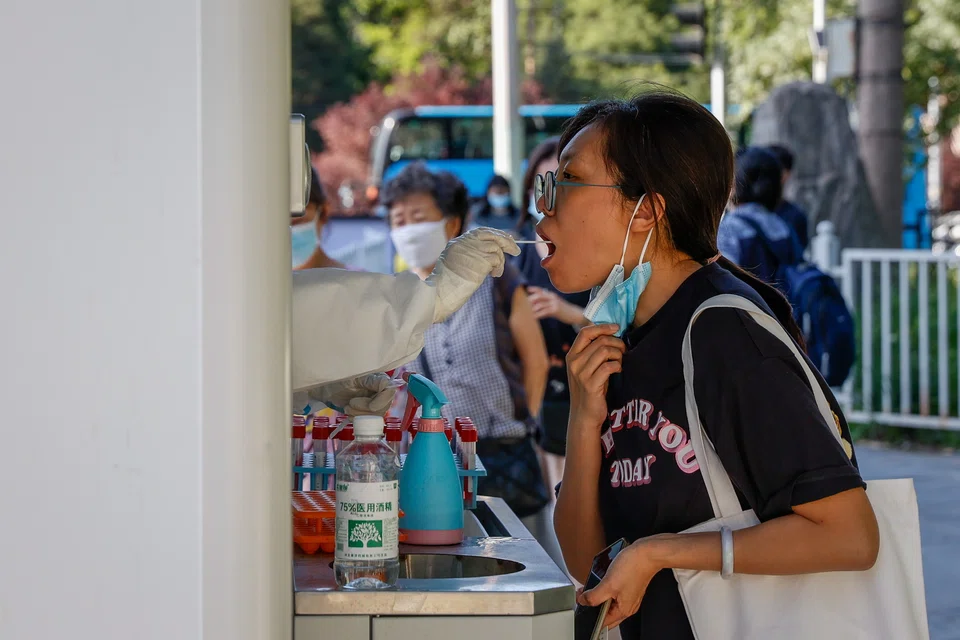
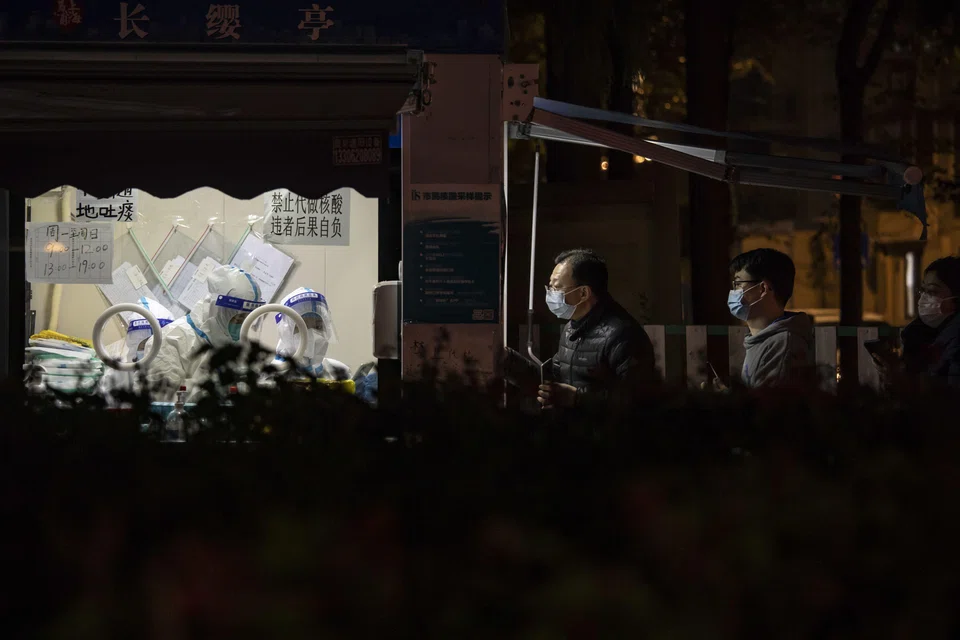
Two of the residents also believed that they caught Covid recently, as they developed a fever and a cough, but refused to take a PCR test. Doing so would result in them getting locked down or, even worse, taken to central quarantine.
Some communities in the downtown district of Chaoyang began quietly allowing Covid-positive residents to quarantine at home last week, in a major departure from China’s old Covid playbook.
One expat said that “it’s better to wait it out and recover at home” without getting contact-traced through PCR testing or entering public spaces, admitting that the act “felt a little rebellious”.
Another Beijinger, who planned to stay at home and wait out her symptoms, told AFP: “I really want to get Covid to get it over with, I have felt so sick in the past two days.
“I know Covid-positive people can quarantine at home now. I don’t want the government to know if I get Covid or not.” AFP
Decoding Asia newsletter: your guide to navigating Asia in a new global order. Sign up here to get Decoding Asia newsletter. Delivered to your inbox. Free.
Share with us your feedback on BT's products and services

