

US budget deficit hits record US$840 billion over past four months
The deficit so far this year is 10 per cent wider incorporating that impact
 Add BT as a preferred source
THE US federal budget gap widened to a record US$840 billion for the first third of the fiscal year, propelled by spending increases in areas including health, Social Security, transfers to veterans and debt-interest payments.
For January alone, the deficit grew by US$129 billion, the Treasury Department said on Wednesday (Feb 12). Adjusting for calendar differences, the cumulative deficit for October to January widened by 25 per cent.
The continued widening in the deficit, despite strong economic growth and sustained employment gains, showcases the magnitude of the job that Treasury Secretary Scott Bessent faces as he seeks to get the gap down to 3 per cent of gross domestic product, from 6.4 per cent in 2024. It may also strengthen resolve among fiscal hawks in the congressional Republican conference to press for deep spending cuts in return for backing the major tax-cut package President Donald Trump is seeking this year.
Revenue so far this fiscal year is little changed compared with the same period a year before, at US$1.6 trillion. The 2024 figure was inflated by deferred tax payments from 2023 related to natural disasters that year, a senior Treasury official told reporters.
Revenue rose US$94 billion, rather than the US$11 billion indicated for year-to-date, accounting for that distortion, the official said. The deficit so far this year is 10 per cent wider incorporating that impact.
Spending totalled US$2.44 trillion for the past four months, up 7 per cent after adjusting for calendar differences.


Interest costs
Interest on the debt continued to be a key driver, as the Treasury refinances low-yielding maturing debt with securities paying out much higher rates. That’s thanks to the burst of inflation in recent years and the Federal Reserve’s interest-rate hikes in response, in 2022 and 2023. Interest costs hit US$392 billion for October to January.
The increasing number of beneficiaries receiving Medicare and Social Security are also boosting spending, the official said. Outlays for veterans have also climbed, affected by the so-called Pact Act, which boosted benefits for people exposed to burn pits, Agent Orange, and other toxic substances.
The Treasury official said he was not aware of any plans going forward to break out any budget savings achieved by Doge-led efforts, when asked about the Trump administration initiative captained by billionaire Elon Musk. BLOOMBERG
Decoding Asia newsletter: your guide to navigating Asia in a new global order. Sign up here to get Decoding Asia newsletter. Delivered to your inbox. Free.
Share with us your feedback on BT's products and services
TRENDING NOW

Oiltek, Marco Polo Marine, Nam Cheong, OKP – Singapore boutique fund bets big on SGX small caps
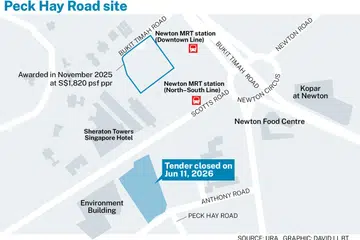
CDL, Hong Realty trump 3 other bidders with S$542.4 million offer at S$1,865 psf ppr for Peck Hay plot

‘I felt like dying’: Thai Singha beer scion speaks up after disclosure of alleged sexual abuse

SpaceX IPO raises US$75 billion in biggest debut of all time, firm valued at US$1.77 billion

